
Vanessa Paradis’ triumphant return at the Arkéa Arena in Bordeaux
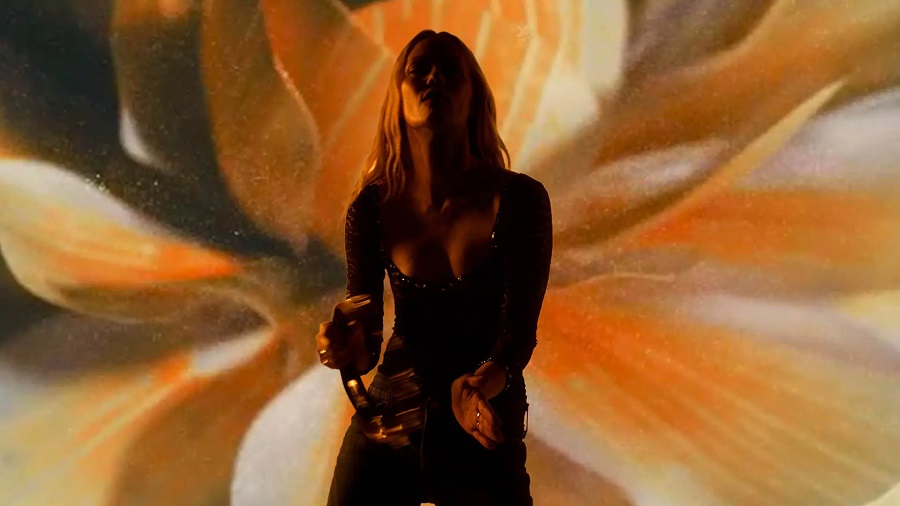
On Friday evening, the Arkéa Arena in Floirac, France, a quarter of an hour outside Bordeaux city centre, was sold out to the last seat. More than 11,000 people had bought tickets to see Vanessa Paradis, a singer who had largely vanished from the musical stage for seven years and who on 8 May 2026 definitively proved that her return is no sideshow. She was fully present.
The audience that made its way to Floirac on Friday evening was broad. Women in their fifties who had once sung along to “Joe le taxi” as teenagers stood beside twenty-somethings who knew her more from Chanel advertisements than from the charts. Around the tram stops and car parks surrounding the arena, there hung the kind of anticipation that only builds when an icon finally returns after years of silence.
The occasion for this tour is “Le retour des beaux jours”, her eighth studio album released last autumn, recorded at Studio Motorbass in Paris and the iconic Abbey Road Studios in London, in collaboration with Étienne Daho and Jean-Louis Piérot, the duo who guided her earlier on the beloved album “Bliss” from 2000. It was her longest studio silence to date: seven years after “Les sources”. Anyone who knows the album understands that it is not a commercial attempt to reclaim lost ground. It is a meticulous, cinematically produced pop record, full of ballads and mid-tempo songs that leave room for her voice, a voice that has clearly gained character in the intervening years.
Friday evening’s setlist reflected that confidence. The concert opened with “Cœur ardent”, the first track from the new album, with lyrics co-written by Daho himself. Not a familiar classic as an opener, but a statement. Paradis chose to take her new work seriously, to let it earn its place in the room on its own merits. And it worked: the Arkéa Arena received the new songs with genuine warmth, without the politely cautious applause that new material so often receives on a comeback tour.
What strikes you immediately: Vanessa Paradis does not need to fill a stage with spectacle. The production was spare, tight lighting design with no overwhelming screens or pyrotechnics, but for that very reason all the more focused on what truly mattered: the singer herself, and the band behind her. That band delivered. From earlier concerts on this tour, played in Narbonne, Caen and Rouen, the same verdict keeps returning: the musicians are at the required level.
Her voice is not the same as that of the seventeen-year-old who in 1987 held the top of the French charts for eleven weeks with “Joe le taxi”. It has grown more amber-toned, rougher at the edges, but also more dependable. During “Élégie”, perhaps the most restrained track on the new album, the arena fell completely silent. Nearly 11,000 people stopped whispering, drinking, and moving. That is the measure of a strong live performance: the moment the audience forgets it is at a concert.
“Pourtant” and “Dès que j’te vois” shifted the atmosphere midway through the show, energy rising, people standing up in the seated sections. And then, inevitable and yet always surprisingly moving: “Marilyn & John”, the song she has carried through her career for thirty years, and that lands every single time. The crowd sang along.
Towards the end of the main set the evening built steadily. “Dis-lui toi que je t’aime”, “Tandem”, and the title track “Bouquet final”, the single that announced her comeback last summer, closed the main programme with a sense of resolution that suited the album’s title. But the audience was not ready to let her go.
First encore: “Natural High” and “Be My Baby”, the song she once recorded with Lenny Kravitz for her English-language debut album. Second encore: “I Am Alive”. Three songs beyond the official set, and the crowd could have kept going. The mood was not one of exhaustion but of abundance, of an evening that had given more than expected.
And then, as a tribute to the youth of everyone standing in that hall: “Joe le taxi”. Songs like this do not belong in a setlist — they are the setlist. Paradis performed it as though playing it for the first time, and the crowd played along as though it were 1987.
Vanessa Paradis is 53 years old and is making the best pop music of her generation. Seven years of studio silence may well have been the best decision of her career. She has returned with an album that sets her apart from artists who release annually and are quickly forgotten, and with a live show that proves prestige has nothing to do with spectacle and everything to do with presence.


