
Precious Pop Pearls: The Story Behind Dexys Midnight Runners – “Come On Eileen”
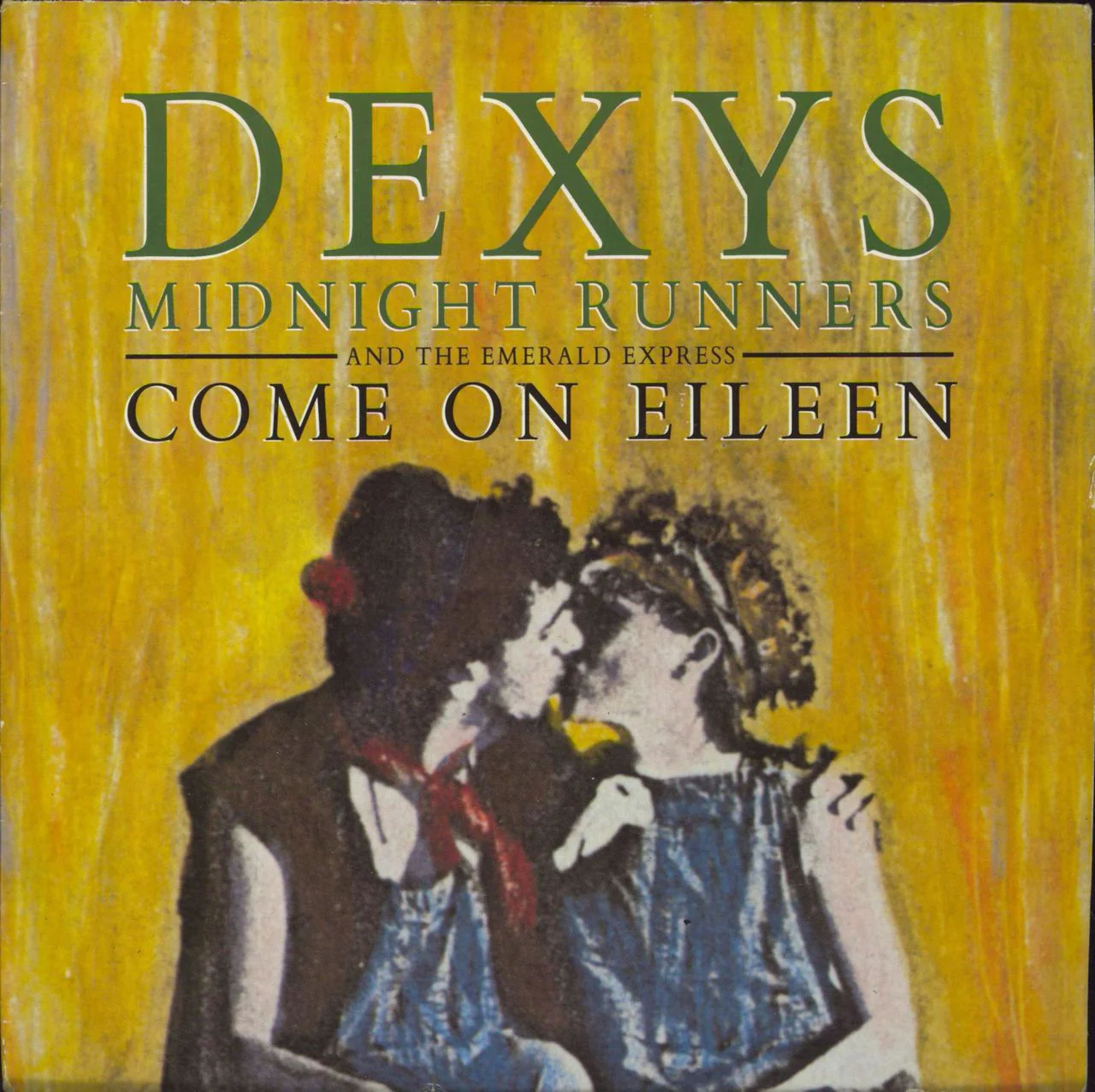
There are songs that you recognise immediately from the first few seconds. A violin intro, a handclap rhythm, and within seconds almost everyone in the world knows which song is coming next. “Come On Eileen” is one such song. It sounds cheerful, almost exuberant, but behind that festive exterior lies a story of perseverance, rediscovered roots and a band that refused to be pinned down to a single style. This is the story of the song that got a generation onto the dance floor, and of the band that made it.
Dexys Midnight Runners
Dexys Midnight Runners emerged in the late 1970s in Birmingham, at the time a city with a thriving soul scene and a strong working-class identity. The band was founded by singer Kevin Rowland, together with Kevin Archer, and quickly grew into a collective with a carefully conceived visual identity and a musical style firmly rooted in Northern Soul and rhythm and blues. Rowland was known for his uncompromising attitude: band members wore uniform clothing, interviews were carefully controlled, and the artistic vision came first, even if this came at the expense of short-term popularity.
Their debut album brought the band their first major hit, an energetic soul record that attracted the attention of the British public. A period of experimentation followed. Rowland added violins to the band’s sound, something that was unusual for a soul group at the time, and drew inspiration from Irish folk music. This combination of soul, folk and new wave would eventually form the basis of the sound that made the band world-famous. The line-up of Dexys Midnight Runners changed constantly during those years. Only Rowland and trombonist Jim Paterson remained on board through all the changes, while violinist Helen O’Hara and guitarist Billy Adams joined the group in the early 1980s and began to play an important role in the new sound.
Come On Eileen
With this new folk-influenced sound, the band recorded a song that would go on to become their greatest success. The song begins with a Celtic-sounding violin solo over a simple drumbeat, after which the piano and bass guitar take over the melody. What makes the song so special is its constant movement: it changes key and tempo, with a verse in a different key from the chorus, and a middle section in which the tempo gradually increases to an exuberant, almost breathless climax. At a time when synthesizers and electronic sounds dominated the charts, this record instead opted for acoustic instruments such as violin, banjo and piano, without a single electric guitar.
The inspiration for the chorus came partly from a soul song by a British group from the 1960s, while the lyrics themselves convey a personal atmosphere without referring to any one specific event. The song was released in 1982 as part of a series of singles the band put out that year, and its success was overwhelming. In the United Kingdom, it reached number one and remained at the top for weeks, ultimately becoming the country’s best-selling single of that year. The song also caught on elsewhere. It reached number one in Australia, Ireland, New Zealand, Belgium, Switzerland and South Africa, among other countries, and also reached the top of the American chart in early 1983, interrupting the seven-week reign of a major hit by Michael Jackson. Just a week later, the position was taken over again, this time by another hit by the same artist, illustrating how brief but powerful the song’s time at the top was.
Compared with the rest of the popular music of the time, the song stood out strongly. The early 1980s were dominated by synth-pop and new wave with a tight, electronic sound. Amid that stream of drum machines and synthesizers, this song sounded old-fashioned in its use of acoustic instruments yet surprisingly fresh, with a warmth that did not fit the cold production of many of its contemporaries. This combination of familiarity and originality is often cited as a reason why the song is still played decades later, while many other hits from the same period have by now been forgotten.
Save Ferris
A song with such a strong melody and recognisable energy soon inspires other artists to create their own versions. One of the best-known covers came from an American ska and pop-punk band from California that broke through in the mid-1990s. This group, formed around a singer with a powerful, distinctive voice, transformed the song into an uptempo ska number, largely replacing the original strings with a brass section. The cover was picked up by an influential radio station in Los Angeles and became one of the best-known tracks on the band’s debut album.
That cover introduced the song to a completely new generation of listeners, who might not even have known it was a song from the early 1980s. It is a fine example of how a composition can adapt to a different spirit of the times and genre without losing the essence of its melody. Alongside this ska version, the song has been re-recorded over the years by numerous other artists, ranging from folk rock and metal to electronic interpretations, demonstrating just how versatile the composition really is.
Too-Rye-Ay
The song originally appeared on the band’s second studio album, a record that definitively shifted the group’s sound towards their folk-inspired soul style. The album was recorded at a rural studio in England and, in addition to the title track, contained several other singles that performed well in the charts. The record was produced by Rowland himself together with two producers who had previously worked with other new wave acts, and combined razor-sharp brass arrangements with the newly added violin parts.
The album was well received both commercially and critically and became the band’s best-selling album. It achieved a high position in the British album chart and was praised for the way it managed to blend soul, folk and new wave without sounding forced. The album’s title itself comes directly from the lyrics of the major hit single, further underlining the close connection between the record and the song.
Jackie Wilson Said
Following the enormous success of the previous single, the band released another track that also came from the same album. It was a cover of a soul song originally written by a Northern Irish singer-songwriter, which served as a tribute to an American rhythm and blues singer from the 1950s and 1960s. The band’s version became a well-received hit in the United Kingdom, reaching number five in the charts, although its success did not come close to that of its major predecessor.
Outside the United Kingdom, the impact of this song remained more limited, with modest chart positions in a few European countries. Nevertheless, the song is still regarded as one of the stronger moments in the band’s repertoire, partly thanks to a memorable television performance during which the wrong background image was accidentally shown, an anecdote that is still recalled with some humour to this day when the band is discussed.
Ultimately, the story of this single is the story of a band that went against the prevailing musical fashion and won precisely because of it. While the world around them was switching to synthesizers and tight electronic production, these musicians returned to acoustic instruments and an irresistible energy that is difficult to pin down to a single genre. The fact that the result caught on worldwide, from Europe to America and Oceania, proves that a well-written melody can be timeless, regardless of prevailing trends. Decades later, the song still sounds fresh, continues to be covered by new generations of artists, and remains one of the most recognisable gems of early 1980s pop music.


