
Precious Pop Pearls: The Story Behind The Weather Girls – “It’s Raining Men”
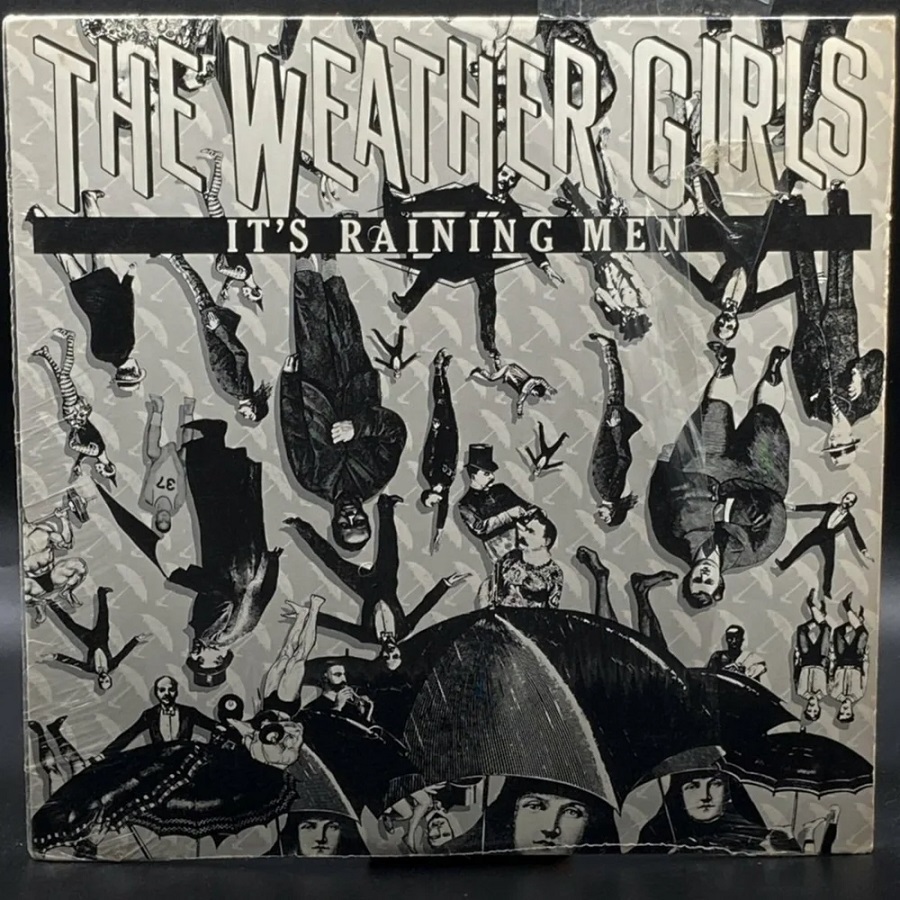
There are songs that you recognise immediately from the first few seconds, and ‘It’s Raining Men’ is a textbook example of that. The bombastic intro, the reverberating thunderclap, the announcement that a storm of men is on its way: it is one of those songs that can still lift any party decades after its release. What few people know is that the song was almost never recorded by The Weather Girls, and that it only ended up with the right artists after years of wandering and rejections. This is the story of a song that was written for one of the greatest disco divas of all time, but ultimately became world-famous thanks to two women who initially thought it was far too crazy to record.
The Weather Girls
The Weather Girls did not emerge out of nowhere. Martha Wash and Izora Armstead met each other at a young age and sang together in a gospel group before finding their way into pop music in San Francisco. In the 1970s they worked as backing singers for the disco singer Sylvester, whose flamboyant shows and falsetto voice had a major influence on the sound that the duo would later embrace themselves. Under the name Two Tons O’ Fun they signed a record contract in 1979, and that name, intended playfully as a wink to their imposing appearance, suited their exuberant, gospel-infused disco style.
Only after the release of their third album did they definitively change their name. As a tribute to their biggest hit up to that point, and as a play on words based on the subject of that hit, they continued as The Weather Girls. The name change proved to be a bullseye: the duo became known worldwide, even though in their own country they remained primarily a dance phenomenon. They never reached the top forty on the American Hot 100, but on dance floors in clubs around the world they were unbeatable, eventually achieving four number-one hits on the American dance chart.
The story of The Weather Girls took many turns in the years that followed. Wash chose a solo career and worked on numerous house productions, while Armstead revived the duo in the 1990s with her daughter and moved to Germany, where they continued performing and recording well into the 1990s and 2000s. Armstead died in 2004 from heart failure, after which other singers took her place and kept the name The Weather Girls alive on international touring stages.
It’s Raining Men
‘It’s Raining Men’ was written by Paul Jabara and Paul Shaffer, who would later become known as bandleader of Late Night with David Letterman. The duo wrote the song as early as 1979, in just one afternoon, with the initial thought that it would be perfect for Donna Summer. Summer, however, declined, and the song then circulated among a series of the biggest female stars of that era, from Diana Ross to Cher, and from Barbra Streisand to Aretha Franklin. They all turned it down.
When the song eventually ended up with Wash and Armstead, they too were initially unconvinced. They found the concept too absurd to take seriously. Only after encouragement from Jabara did they record the song, in less than an hour and a half. That spontaneity is exactly what gives the song its carefree, exuberant character.
Musically, ‘It’s Raining Men’ is a mix of hi-NRG, post-disco and gospel, with clear influences from soul and the electronic dance music that slowly gained ground at the end of the 1970s. That combination was characteristic of the transitional moment in which the record appeared. Disco was fading as the dominant mainstream movement, but the energy and danceable beats of the genre found a new life in the hi-NRG sounds that began defining the club scene in the early 1980s. Compared with contemporaries such as Donna Summer or Gloria Gaynor, ‘It’s Raining Men’ sounds less polished and instead somewhat rougher and more theatrical, with the singers’ gospel background clearly audible in the way they push the melody upwards.
The song was released on 10 September 1982 as the first single from the album with which the duo definitively broke through. Commercially, it became a number-one hit on the American dance chart, while on the regular Hot 100 it remained stuck at a modest position. Outside the United States, things were different: in the United Kingdom the single reached second place and was awarded silver status for the number of copies sold. The song also reached the higher regions of the charts in many other countries, and worldwide millions of copies were eventually sold. At the presentation of a major American music award, the song also received a nomination in the category Best R&B Performance by a Duo or Group.
In the years that followed, ‘It’s Raining Men’ grew into something bigger than just a hit single. The song was embraced as a cheerful party song for all generations, but it also gained a special status within the LGBTQ community, where it was quickly regarded as a true anthem. Various music media placed it on lists of the best dance songs and best debut singles of all time in the years that followed, an indication of how firmly the song has become embedded in pop culture.
Geri Halliwell
Of the many covers that appeared in the decades after 1982, the version by British singer Geri Halliwell became by far the best known. Halliwell, who had established her name as a member of one of the most successful girl groups ever, released her version of ‘It’s Raining Men’ as the first single from her second solo album. Initially she had planned another song as the lead single, but when the offer reached her to record the song for the soundtrack of a major British comedy film, she seized the opportunity with both hands.
The timing proved excellent. The film for which the song was recorded was one of the biggest cinema hits of that year, and the attention surrounding it significantly strengthened the success of the single. Halliwell’s version went straight to number one in the United Kingdom and stayed there for two weeks, making it her fourth consecutive number one as a solo artist. The record was also hugely successful internationally: in several European countries the single also reached the top position, and overall it became her best-selling solo single worldwide.
Where The Weather Girls’ original was mainly praised for its carefree, almost loose energy, Halliwell chose a tighter, more bombastic production that fitted the dance-pop sounds of the beginning of the new millennium. Critics were divided in their comparison: some missed the playfulness and improvisational shouts of the original, while others praised Halliwell’s theatrical, energetic approach as a contemporary reinterpretation of a timeless classic. Whatever the opinions were, the cover mainly confirmed how strong the underlying song itself is: more than eighteen years after the first release, it could still effortlessly reach the top of the charts.
‘It’s Raining Men’ appeared as the opening single of the third studio album by The Weather Girls, which was released at the beginning of 1983. The album carried the significant title ‘Success’, a name that in hindsight seems almost prophetic, given the commercial success that the first single brought the duo. The album’s title track was also released as the second single, but it failed to match the success of the opening track and remained at a modest position on the American R&B chart.
The album as a whole reflects The Weather Girls’ musical identity at that moment: exuberant, danceable production infused with the vocal power that both singers had built up during their years as backing singers and gospel singers. While many disco productions from that period sounded increasingly smoother and more synthetic, The Weather Girls continued to focus on powerful, live-sounding vocals, supported by the characteristic production of the people who had also worked on the title single.
Although ‘Success’ as an album could not match the commercial impact of the first single, the album did ensure that the duo was definitively established within the international dance world. It also confirmed the new artist name and made The Weather Girls a formidable name on the dance floor, even though no following song would ever match the status of ‘It’s Raining Men’.
Dear Santa (Bring Me a Man This Christmas)
Later that same year, the duo released another single that illustrates how they managed to carry their recognisable theme and tone into a completely different season: ‘Dear Santa (Bring Me a Man This Christmas)’. With a generous dose of humour and the same cheerful, theatrical singing style as their major hit, Wash and Armstead this time addressed Santa Claus instead of the weather forecast, with a wish list that left little to the imagination.
The song never became the worldwide hit that ‘It’s Raining Men’ was, but in the decades afterwards it grew into a beloved curiosity within the tradition of unusual Christmas songs. Like their biggest hit, the song combines a playful, slightly cheeky lyric with a production that strongly relies on the disco and gospel influences that formed the core of their sound. The fact that the duo dared to repeat this theme shows that they consciously and with a big wink further developed their recognisable formula, instead of trying to completely reinvent themselves.
More than forty years after its release, ‘It’s Raining Men’ remains one of those rare songs that effortlessly transcends generations. It is a song that was rejected by a list of the biggest female singers in music history, recorded in half an hour by two singers who themselves barely believed in it, and eventually grew into one of the most recognisable party songs of all time. Geri Halliwell’s cover proved almost twenty years later that the song could still effortlessly succeed in a completely different musical context, while the original duo itself, despite a career that would never again reach the same heights, will forever remain connected to that one irresistible prediction: a one hundred percent chance of men.


