
Precious Pop Pearls: The Story Behind Journey – “Don’t Stop Believin'”
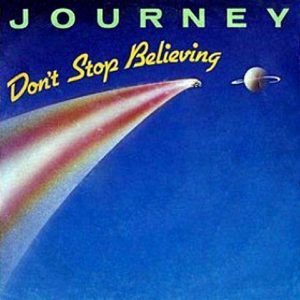
Some songs transcend the time in which they were made and grow into cultural monuments. At the beginning of the eighties, an era in which arena rock and synthesizers began to dominate the musical landscape, a composition emerged that decades later still makes hearts beat faster. While many hits from that period slowly disappeared from the collective memory, this particular record built a second and even third life. It is a classic that combines recognisability with musical craftsmanship, and conveys a universal message of hope that connects generations.
Journey
In nineteen seventy-three, the formation was founded in San Francisco by former members of Santana and Frumious Bandersnatch. In its early years, the group focused mainly on progressive rock and intricate instrumental exercises, with musical virtuosity taking precedence. Major public success, however, remained elusive until nineteen seventy-seven, when singer Steve Perry joined the band. With his enormous vocal range and emotional delivery, he changed the direction towards streamlined, melodic rock. When keyboardist Jonathan Cain joined the group in nineteen eighty after the departure of Gregg Rolie, the musical foundation was complete for one of the most successful periods in international rock history.
Don’t Stop Believin’
The structure of the single is remarkably unconventional for a pop and rock song from 1981. Instead of the traditional structure of a verse followed by a chorus, the composition postpones the actual chorus until the very last minute. The story steadily builds through an iconic piano riff, tight drum rhythms and narrative verses about people dreaming of a better life. Only at the end does the record explode into the captivating climax. Upon its original release, the song reached number nine on the US Billboard Hot 100 and initially remained at more modest positions in Europe. Decades later, its use at the end of a famous television series and in various films led to an enormous digital revival. As a result, the track grew into the best-selling digital single of the twentieth century, with more than seven million downloads.
Glee Cast
The impact of the composition was reaffirmed in two thousand and nine when the cast of a popular musical television series recorded the song for the pilot episode. This performance brought the melody to an entirely new generation of listeners. With a fresh arrangement structure and modern pop production, this version reached number four on the US Billboard Hot 100 and number two in the United Kingdom. On various international charts, this cover even performed better at the time than the original had done in nineteen eighty-one, which led to the band’s original version simultaneously re-entering the charts.
Escape
The group’s seventh studio album, released in July nineteen eighty-one, marked the commercial and artistic peak of their career. The record was recorded in Berkeley, California, and featured a balanced mix of powerful guitar rock and accessible melodies. The album reached number one on the US album charts and was certified more than nine times platinum in the United States alone. It is regarded as a textbook example of the heyday of arena rock, combining accessible production values with technically accomplished guitar and keyboard work.
Open Arms
As the follow-up single from the album, the band chose a composition in nineteen eighty-two that struck a very different emotional tone. This captivating ballad, driven by sensitive piano playing and a memorable vocal line, showed the vulnerable side of the group. The song grew into their biggest hit on the US chart, where it remained at number two for six consecutive weeks. It consolidated the band’s status as one of the defining acts of the decade and demonstrated their versatility in both powerful anthems and intimate compositions.
The band’s legacy and their most iconic work can still be felt in global popular culture to this day. The combination of guitar work, tight keyboard parts and a majestic vocal line continues to inspire new generations of musicians and listeners. The song remains a staple at sporting events, parties and radio broadcasts around the world. It reminds listeners that hope and perseverance are universal values, captured in one of the most timeless productions in modern music history.


