The Nibe Festival is over – where was the gift?
Back after this year’s edition of the Nibe Festival, one question remains: where was the gift for the audience, really? After all, the festival has turned 40, and surely that should have been celebrated with something extra. What happened to the world-famous name that makes people feel they simply have to travel to Nibe? Not necessarily Taylor Swift, the Rolling Stones or Paul McCartney. There is probably no budget for that, and something less ambitious could also have been enough. American Gavin DeGraw is perfectly respectable, and it is certainly a fun gimmick to let the house band Suspekt remain on site and perform on all four days, but that is not something that clearly distinguishes festival number 40 from numbers 37, 38 and 39. It seems that the festival has, at least for the time being, given up trying to make a statement with something truly unforgettable. That is a rather strange conclusion to draw after a milestone anniversary that could have been used to create a lasting memory.
Deeply personal hitmaker
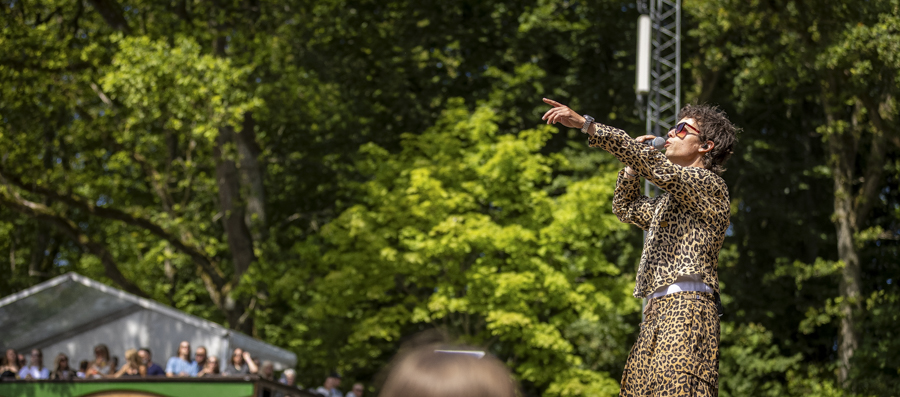
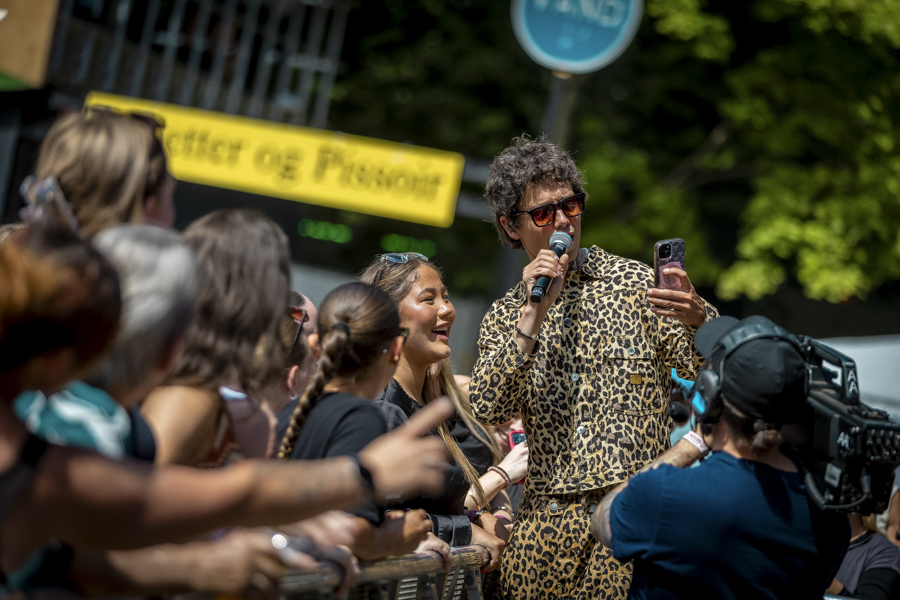
That the international music industry has not long since snapped up Mads Langer and his music remains one of the greater mysteries. There must either have been an active decision behind it, or perhaps a conscious decision on Langer’s own part. In any case, he is a hitmaker of a very special calibre, filled to the brim with songs such as “Elephant” and “You’re Not Alone”, songs that seem as though they simply had to be written and sung, and that somehow feel as if they have always existed. Yet they never become predictable. They simply feel natural. Genuine. That sense of authenticity runs through everything Mads Langer stands for, together with an unmistakably personal touch. Very few artists at that level of pop stardom manage to perform in such a personal way without becoming overly private. For example, Mads Langer openly explains that “Monsters in my Mind” is about struggling with, and ultimately overcoming, anxiety. Equally powerful is “Mellem linjerne”, about having overcome the end of a relationship with a new realisation: ‘I would rather walk alone than walk together separately.’
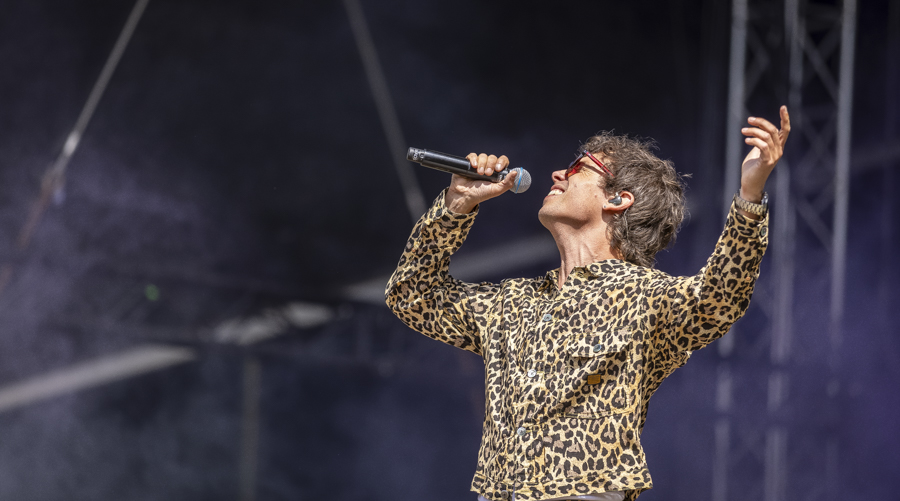
Equally moving is his story of how “Overgiver mig langsomt til dig”, written for rock star Sanne Salomonsen, came into being in the first place. Live, “Overgiver mig langsomt til dig” has perhaps never sounded so comfortably weighty and blues-inspired, thanks in no small part to the outstanding playing of guitarist Jonas Krag. In the same way, an extra layer of refreshing country has been added to “Har du nogensinde set København fra en DC-9?”. And Mads Langer is probably the only artist capable of getting away with leading a singalong to a Christmas song in July, as “I en stjernestøv af sne”, like several other songs, has been given an extra push on the rock pedal. With Mads Langer and his exceptionally accomplished musicians, whom he carefully introduces with warm words of praise, the audience simply finds itself in more than excellent company. He is one of those rare pop craftsmen who also comes across as a genuinely decent person and, above all, someone who remains deeply grateful for every reaction from his audience.
Cult rap-pop on an even keel
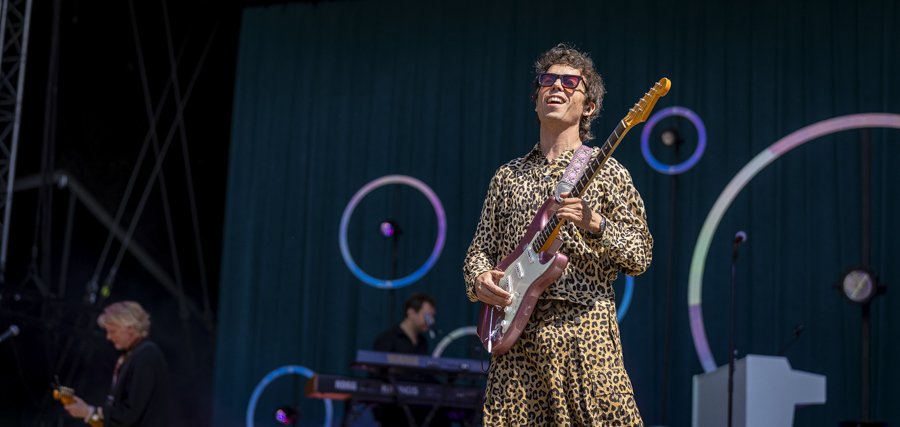
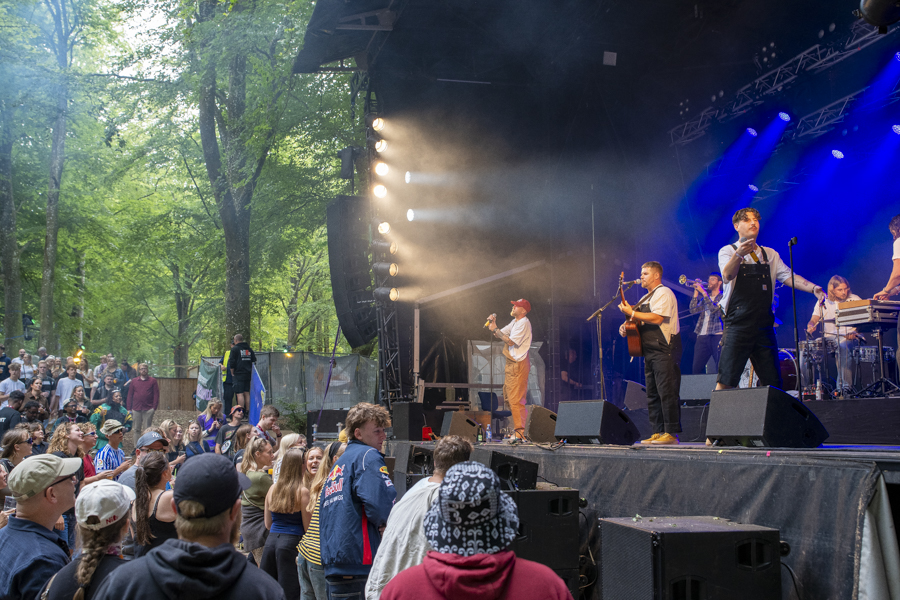
From a suburb of Aarhus comes the seven-piece rap collective Bogfinkevej, formed around friends Mads Horsdal, Søren Karim Bach and Laurits Gad 10 years ago. Their style is more or less pop-oriented rap with changing elements of swing, jazz and, above all, brass band, thanks to the presence of two horn players on trumpet and trombone. Bogfinkevej makes its strongest impression with the pleasantly charming, neighbourhood pub-style “Solen skinner altid på den anden side af skyerne”, which the band recorded together with Wafande. As a substitute for Wafande, however, his part is performed as though it had originally featured Troels Trier, who became famous both with and without Røde Mor. It is a distraction. Otherwise, Bogfinkevej’s biggest crowd favourite is clearly the cult classic “Iben Hjejle”, performed with wonderfully quirky Balkan rhythms. The lyrics are amusing without ever becoming particularly profound, and the lead vocals are not the band’s strongest asset. While the band is performing, the audience is pleasantly entertained, but never to the point of being completely blown away. During “Iben Hjejle”, an audience member is invited onto the stage to sing the chorus one final time. It quickly becomes clear that the volunteer possesses not even the slightest hint of musical ability. You cannot win every time.
A little too static
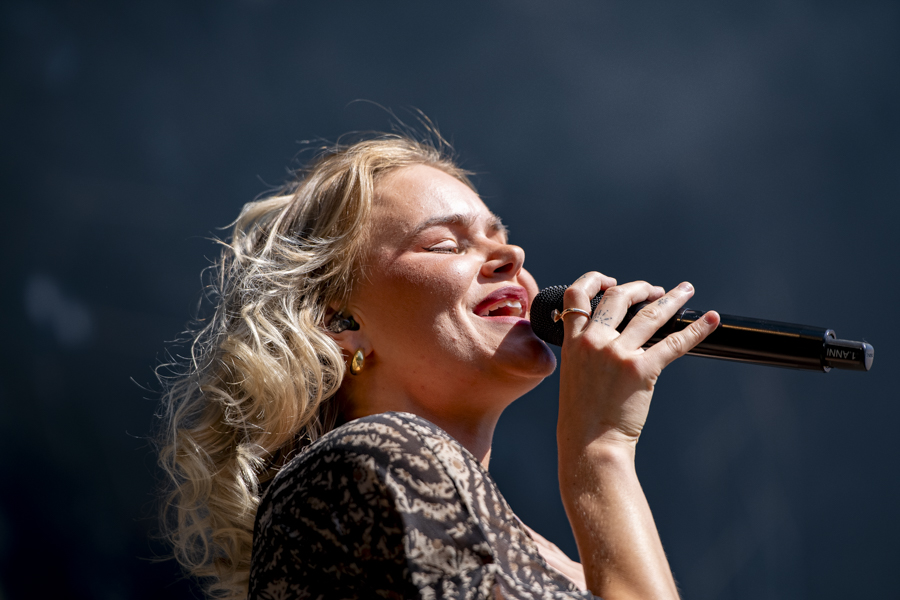
“Knuste hjerter”, “Drukner”, “Desperado”: one solid radio hit after another has emerged from the 21-year-old singer-songwriter Annika, whose rather uncommon surname is Wedderkopp, both before and after the release of her first and so far only album, “AW”. The songs themselves are genuinely interesting, while her voice is distinctive, slightly husky and cracked in an appealing way. Now those songs are put to the test live, on nothing less than the biggest stage at the Nibe Festival. It soon becomes clear that the material still works perfectly well on an individual basis, but in concert most of the songs are approached in almost exactly the same manner. They remain close to the studio recordings, only with considerably heavier bass and much harder-hitting drums. Any real stage production is conspicuous by its absence. As a result, Annika’s live performance becomes a somewhat static experience. One simply longs for greater variety, for something that digs just a little deeper than the pleasure of loudly singing along to familiar lyrics. That applies equally to the surprisingly soulful, funk-infused swing of “Bliv her lidt endnu”, the vulnerable “Jaloux”, the defiant “Nye tider” and the lively “Stolt”. Sooner or later, Annika will almost certainly find the courage to develop a more varied stage expression. She certainly possesses the repertoire to support it. The popularity of the songs alone should not be the sole reason for placing her on the festival’s biggest stage.
The boys’ club is back
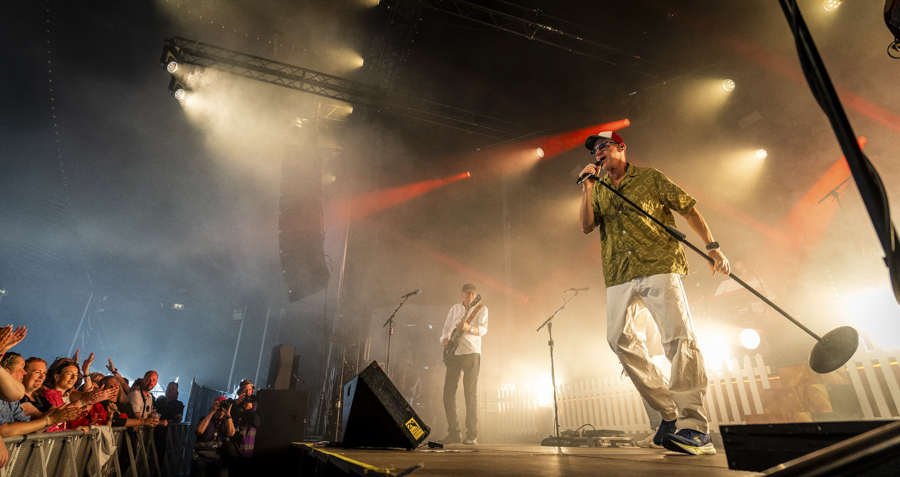
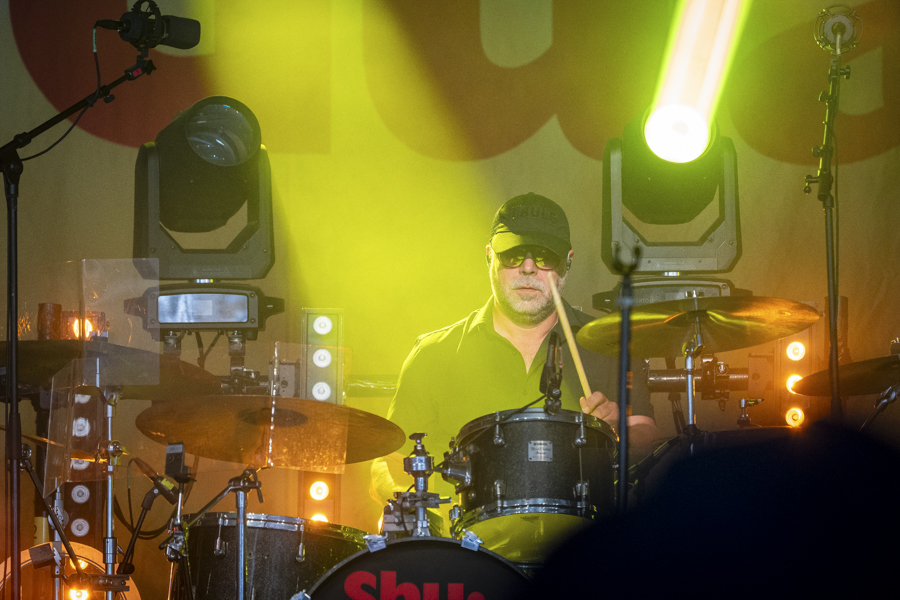
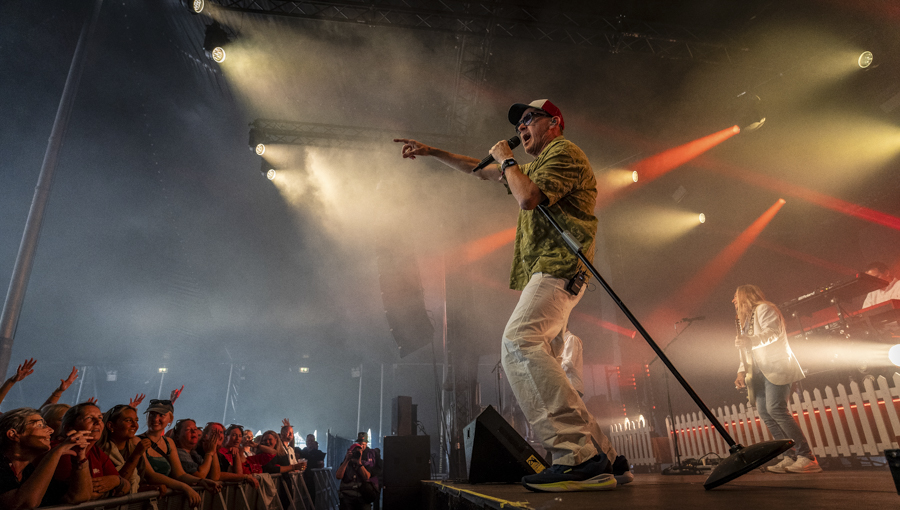
Shu-bi-dua is, and always has been, a boys’ club. That has been the case ever since a group of good friends came up with the idea in 1973 of turning Elvis Presley’s classic “Jailhouse Rock” into the festive “Fed rock”. Later, the band moved towards broad family pop, but now, 53 years after releasing its first single, Shu-bi-dua 2.0 has returned to where it all began. The circle has been completed. There is an abundance of lively, fiery rock ’n’ roll, plenty of fun and mischief, and an absolutely remarkable surplus of enthusiasm for both singing and playing. All of the old songs, or at least as many as possible, from the first, wildest and freest albums are given a proper rock treatment, driven forward by a long series of delightful and flawlessly executed guitar solos, above all by B-Joe Johansen, but also by founding member Michael Hardinger, now 77 years old. Shu-bi-dua 2.0 has clearly put serious thought into reinterpreting these old songs, finding a place somewhere between a garage band and exactly what they have always been: a boys’ club. Their energy and musical appetite are simply extraordinary.
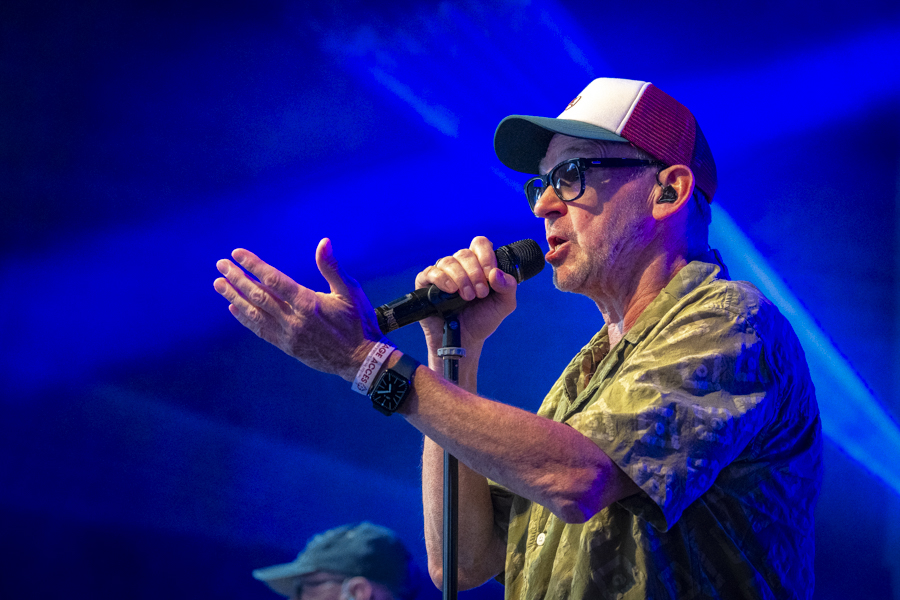
With complete ease, “Knald i låget” suddenly slips into a short excerpt from Queen’s “Bohemian Rhapsody”, while the group’s biggest hit, “Vuffelivov”, naturally takes a detour into The Beatles’ “Here Comes the Sun”. Throughout the concert, frontman and chief entertainer Jørgen Thorup even has to restrain himself from unleashing too much of the soul power hidden inside his remarkable voice. Whatever Shu-bi-dua 2.0 chooses from its catalogue of no fewer than 251 songs, every single one is attacked with the same hunger and enthusiasm, culminating in a tremendously engaging finale featuring “Vi finder os ikke i sexchikane”, which has almost become a punk song, followed by “Den røde tråd” and “Står på en alpetop”. Shu-bi-dua 2.0 delivers a rock ’n’ roll party with the accelerator pressed firmly to the floor from beginning to end, while demonstrating razor-sharp instincts for involving the audience throughout the full 75 minutes.
A somewhat underwhelming headliner
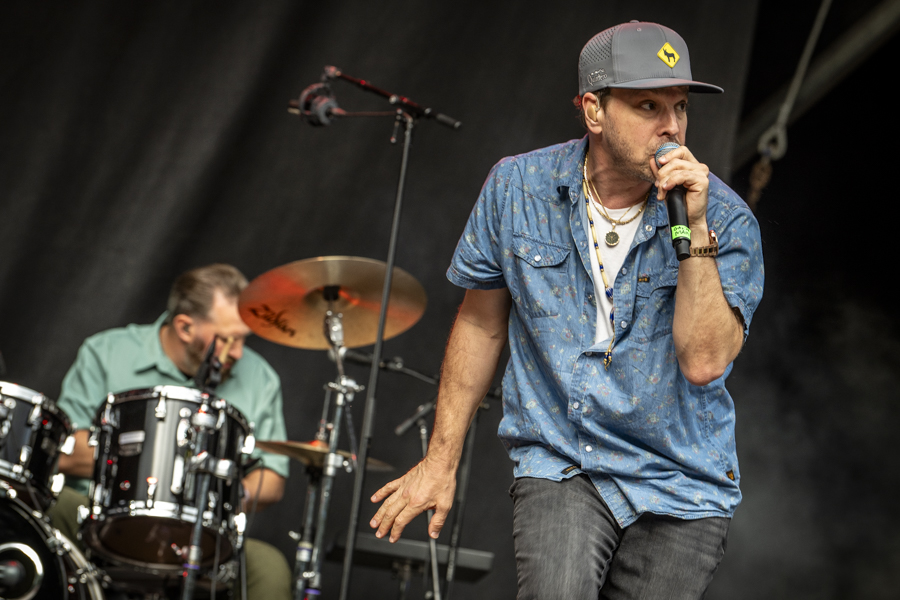
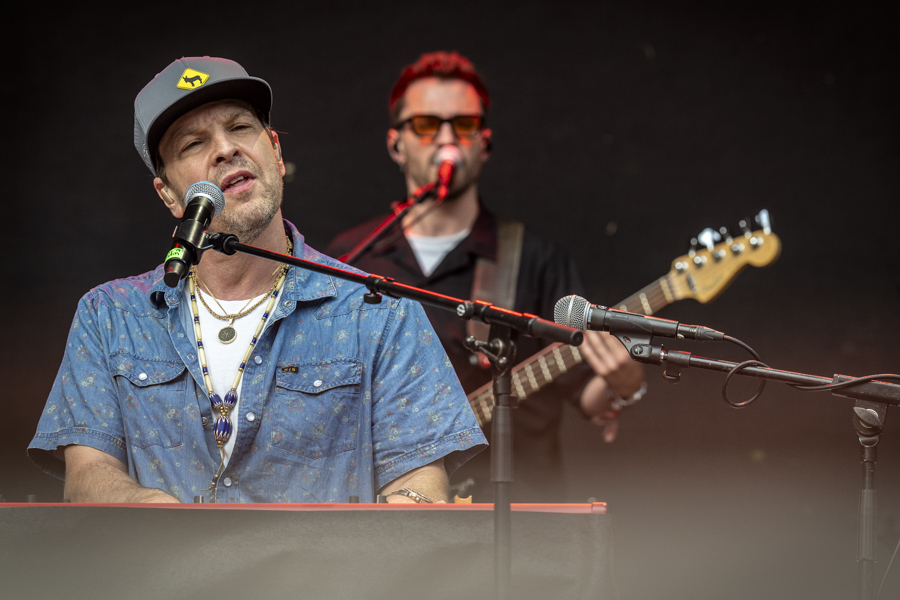
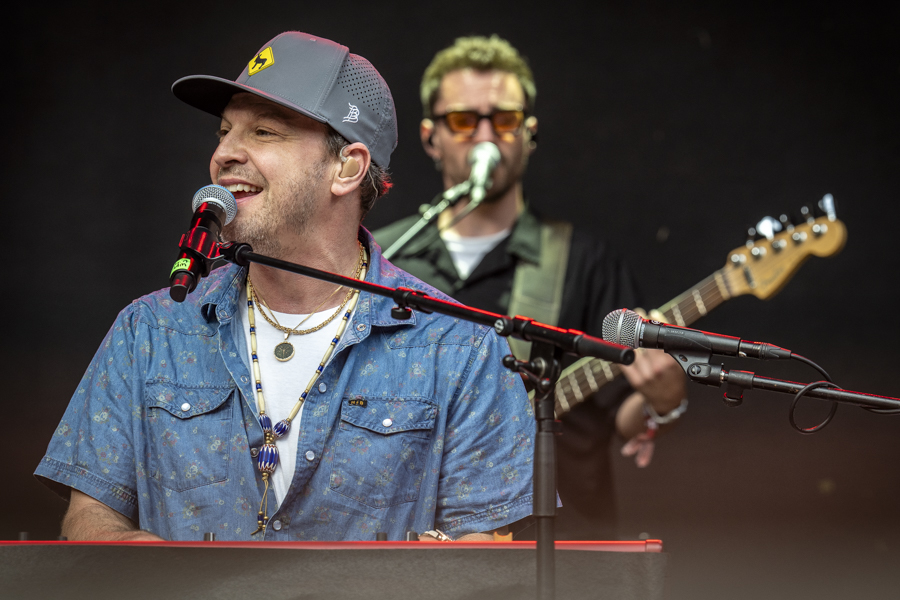
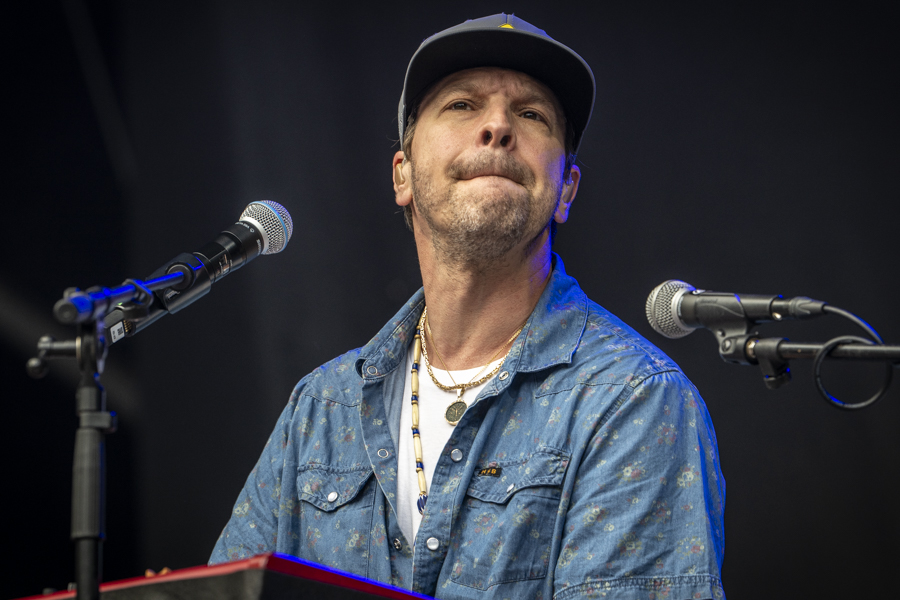
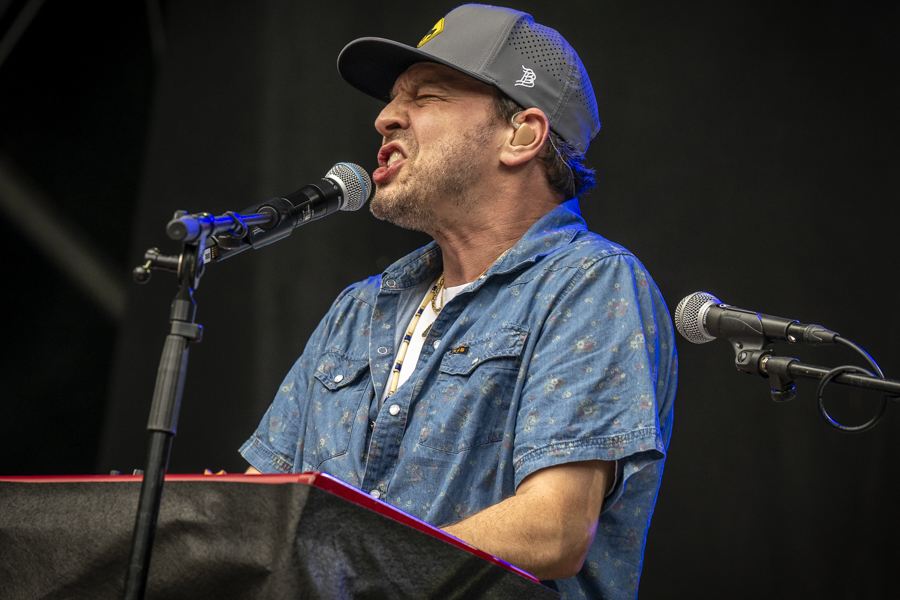
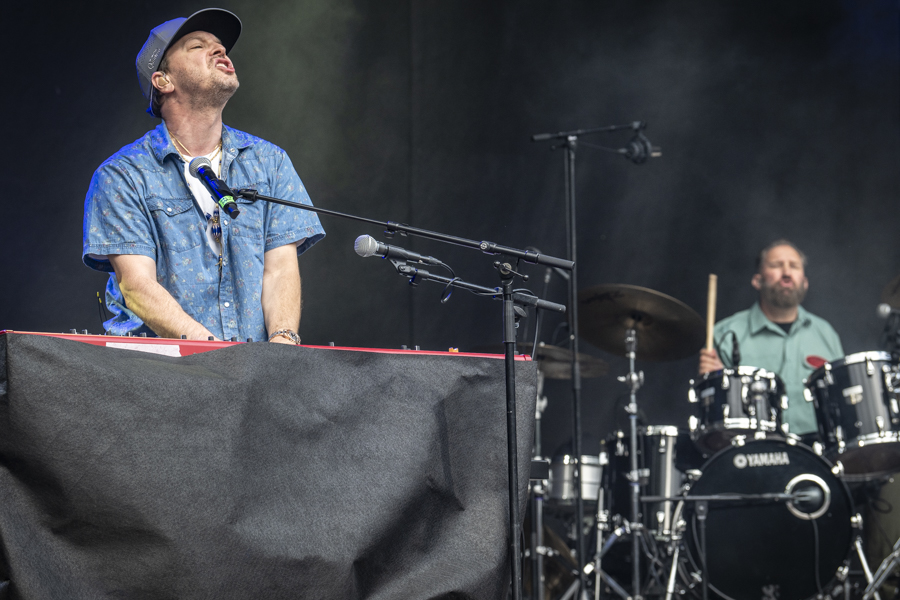
Towards the end of his concert, American singer-songwriter Gavin DeGraw chooses first to perform The Beatles’ “With A Little Help From My Friends” in much the same style as Joe Cocker made famous, before moving into Pink Floyd’s “Comfortably Numb”. Either because he genuinely feels they suit both the atmosphere and his voice, or because he has realised that his own catalogue does not quite contain enough material to hold the audience’s attention for 80 minutes. In any case, this is the point where the concert truly comes alive.
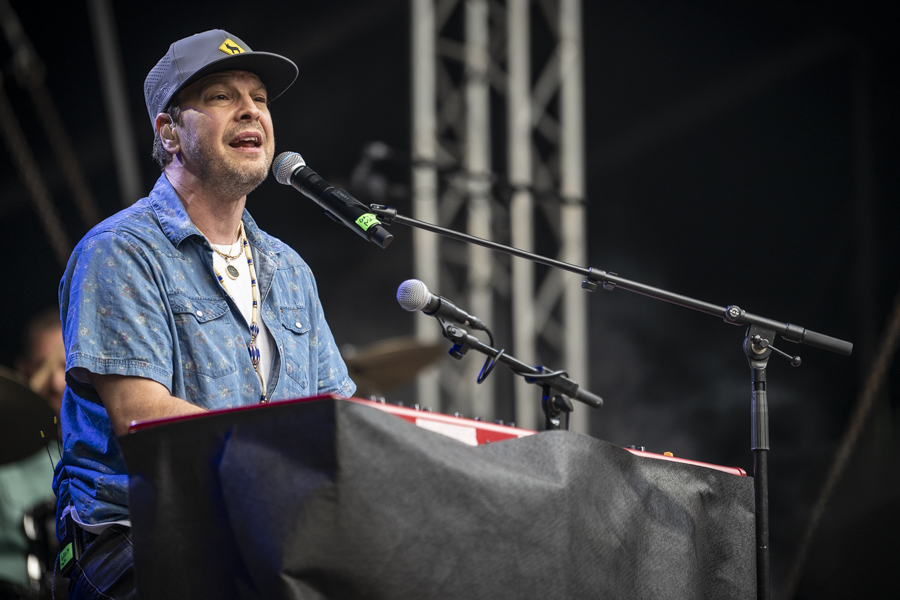
The same applies when he briefly plays John Denver’s “Take Me Home, Country Roads” to show the audience where some of his inspiration comes from. Make no mistake, several of DeGraw’s own songs are perfectly enjoyable as well, including hits such as “Follow Through”, “Sweeter”, “Summertime” and “You Make My Heart Sing Louder”, but they rarely become genuinely compelling. At the same time, DeGraw has chosen a rather introverted performance style, spending much of the concert seated behind his keyboard while presenting one pleasant song after another. The audience is comfortably entertained, but the performance never becomes unforgettable. And that, then, was the American headliner: likeable, but ultimately just a little too little.
Pil with a very strong presence
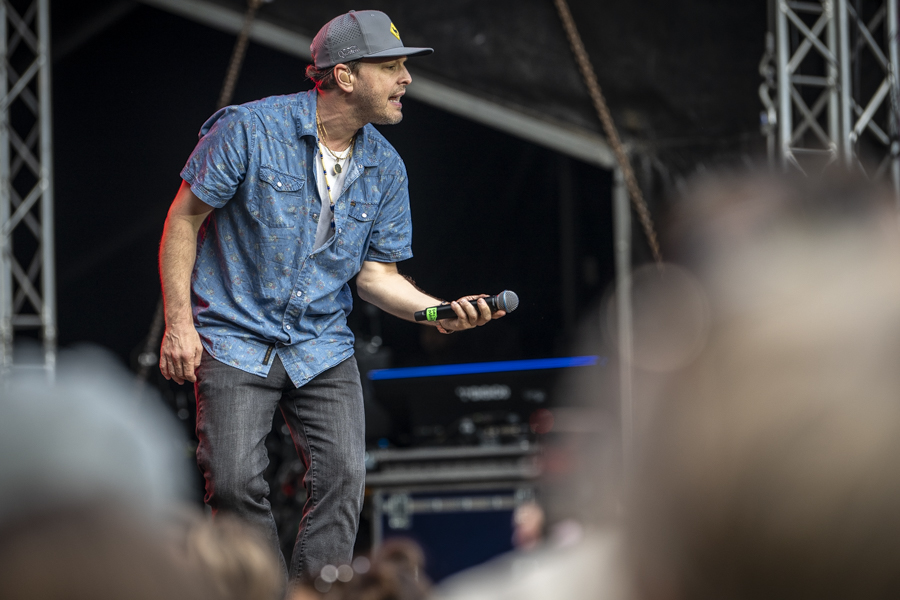
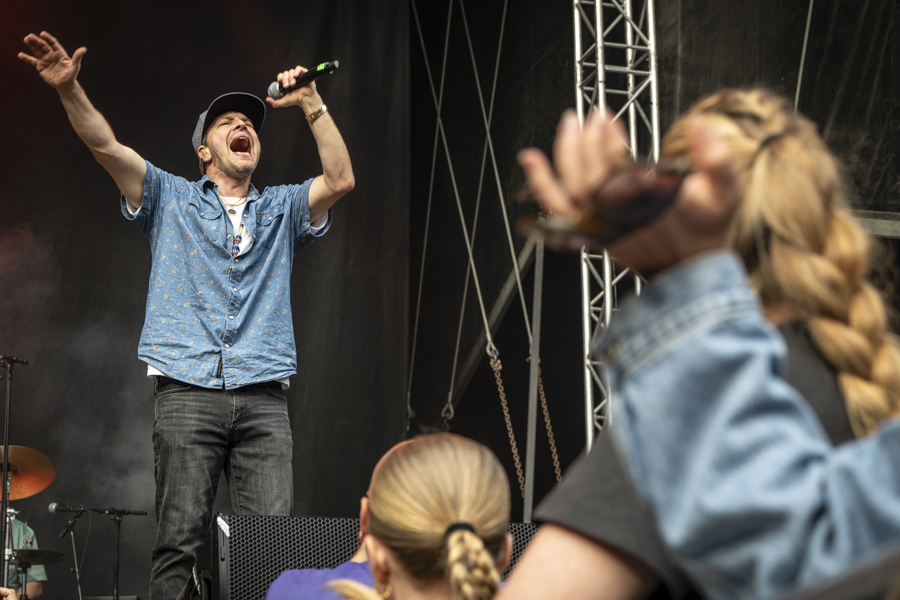
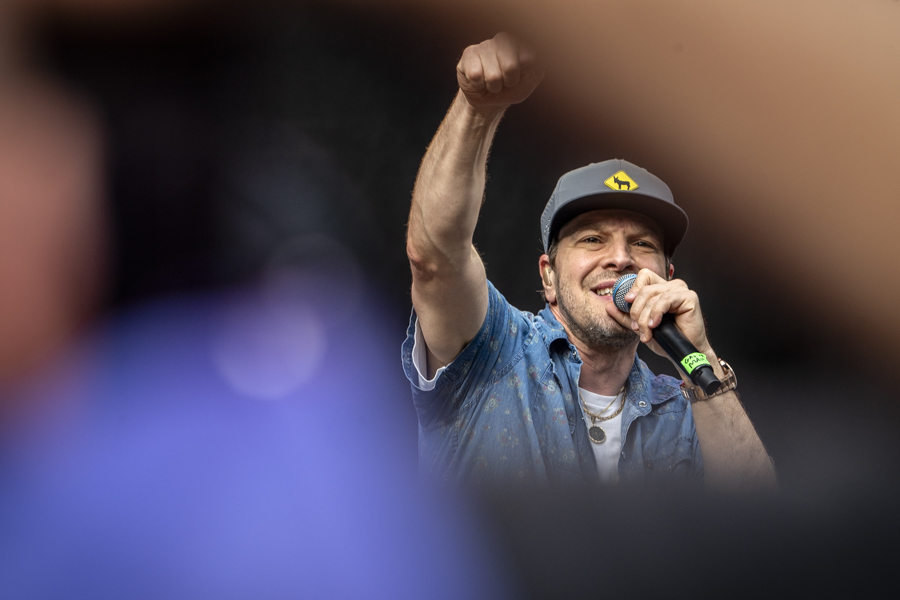
It is no coincidence that Pil (Pil Kalinka Nygaard Jeppesen) opens the Orange Stage at this year’s Roskilde Festival and closes the Blue Stage at Nibe Festival. Not only does the 32-year-old singer-songwriter deliver a string of sharp pop hits, especially following her latest album “Ikk’ gi’ dig selv væk, før du føler dig hjemme”, she also possesses a strong stage presence and a rare ability to build up an atmosphere and keep it there. She shows this most clearly in her excellent control of the audience during the choruses of the infectious “Dronning af Månen”. “Omvendt”, written together with Andreas Odbjerg, is another strong crowd-pleaser, delivered with precision in a live setting.
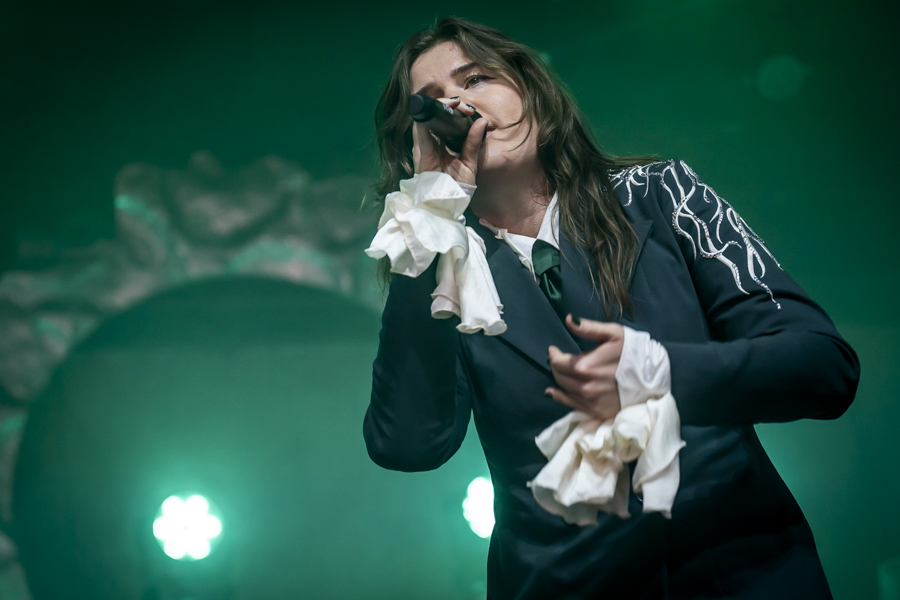
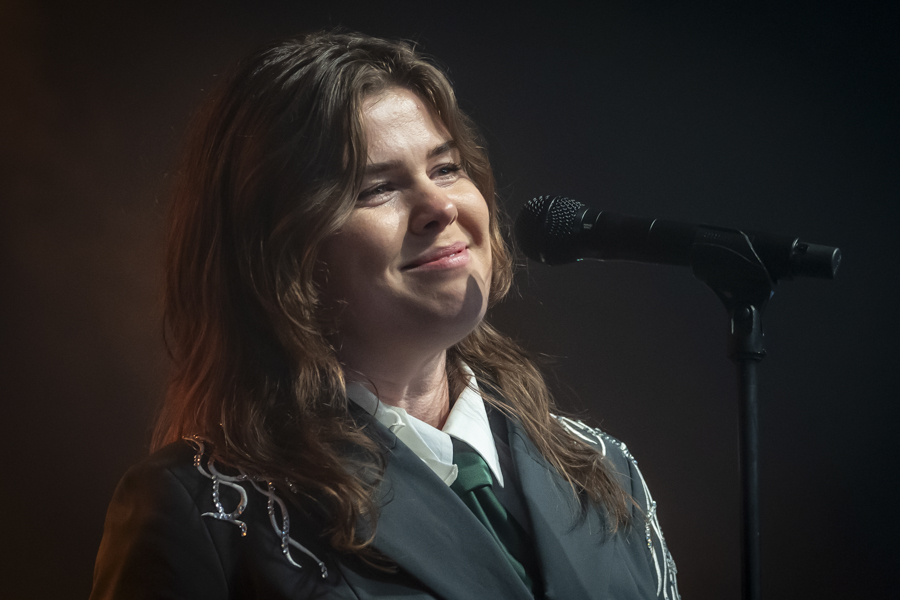
She also covers a wide emotional range, from the energetic club-driven “Gulvet”, with its line “When they dance, I do not join in”, to the vulnerable “Dø af kærlighed”. Pil performs with a natural ease, as if she has never done anything else, combined with a calm presence that nevertheless hides shifting levels of self-confidence. She appears to go through periods of doubt about whether she truly belongs on stage, something she openly acknowledges when she tells the audience: ‘but when I am met with so much love, it is something I remember,’ she says, clearly overwhelmed by the response from a very engaged crowd. Overall, it is a highly personal encounter that only increases interest in revisiting her well-crafted songs. Next year, she will probably need a bigger stage.
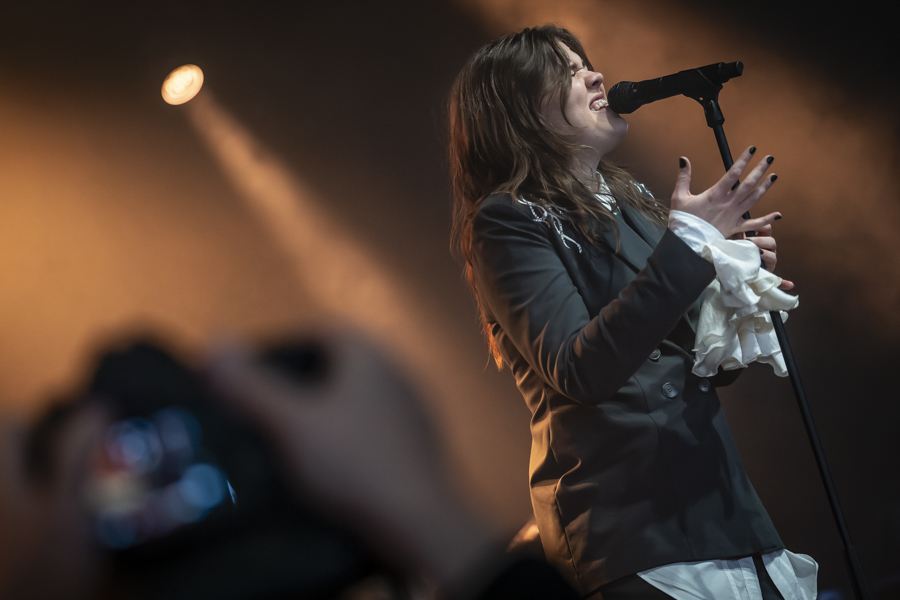
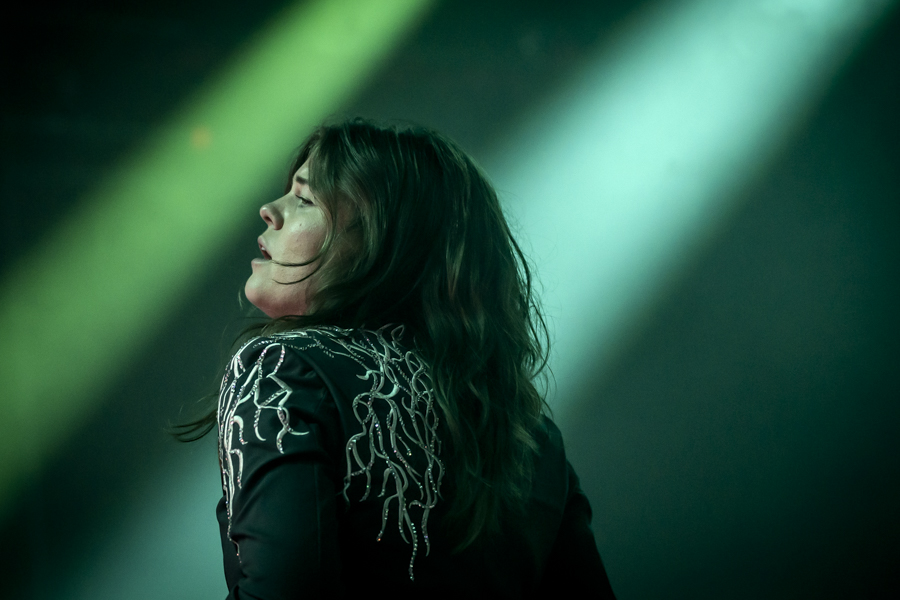
Hitmaker at high speed
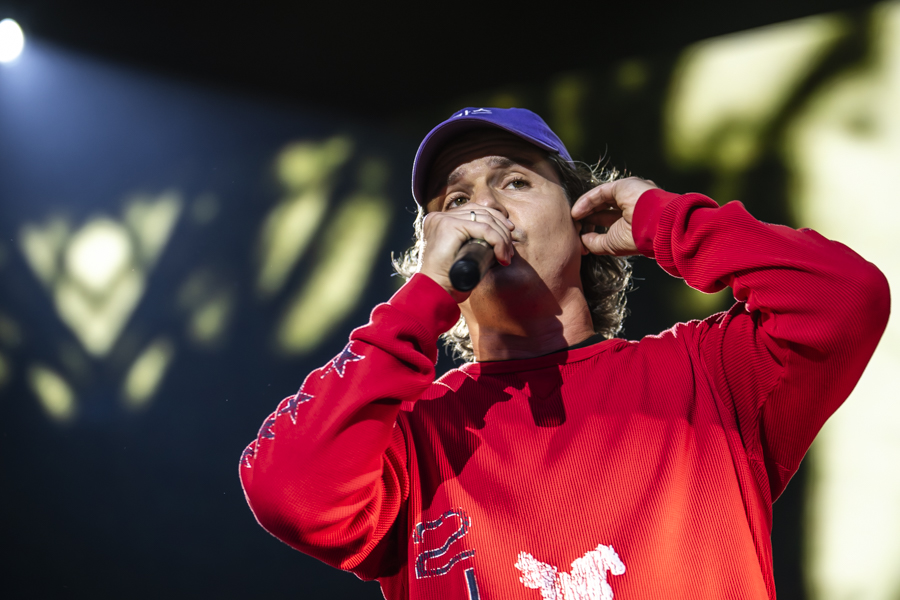
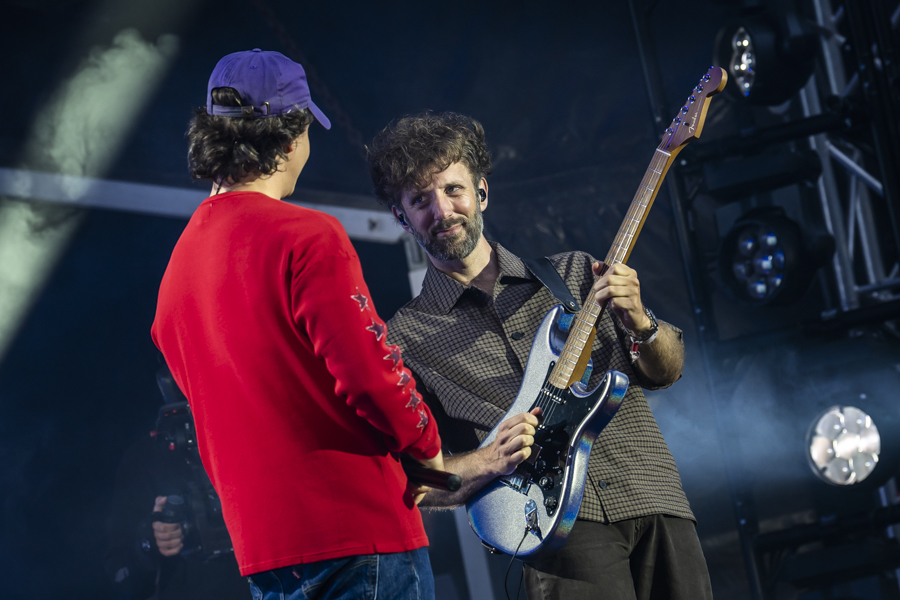
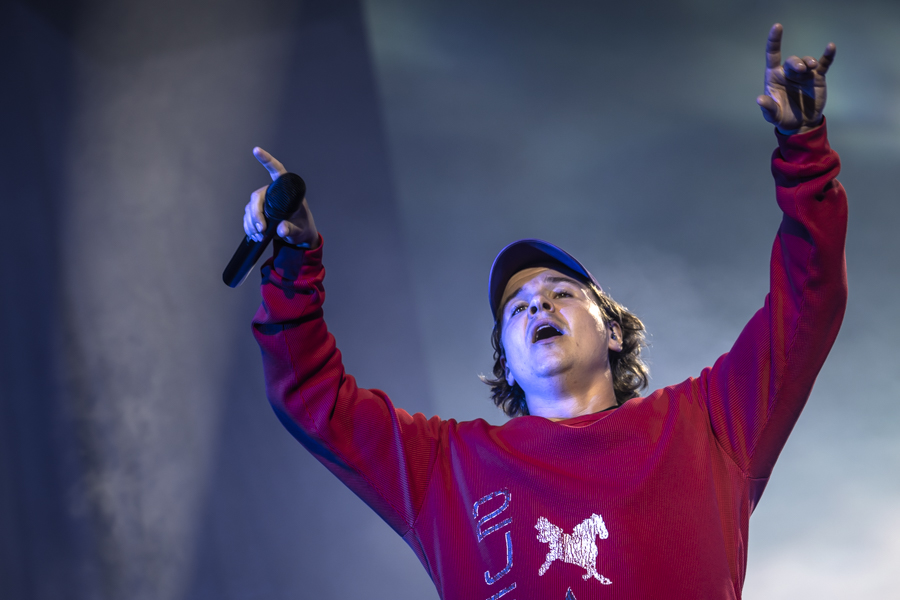
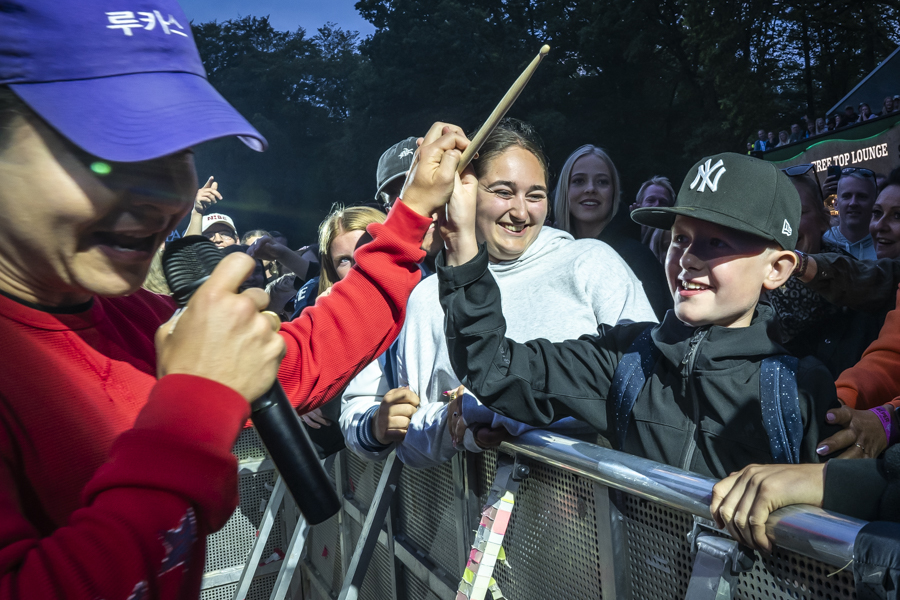
There has always been something uncompromising about singer-songwriter and hitmaker Lukas Graham. He clearly performs the songs he personally prefers, in exactly the order he wants, which means he does not naturally build on the atmosphere created by each individual track. As a result, his live performances can feel somewhat scattered. He also tends to rush through his set, moving quickly from one moment to the next. Only later in the concert does he slow down slightly, taking more time to focus on detail and nuance.
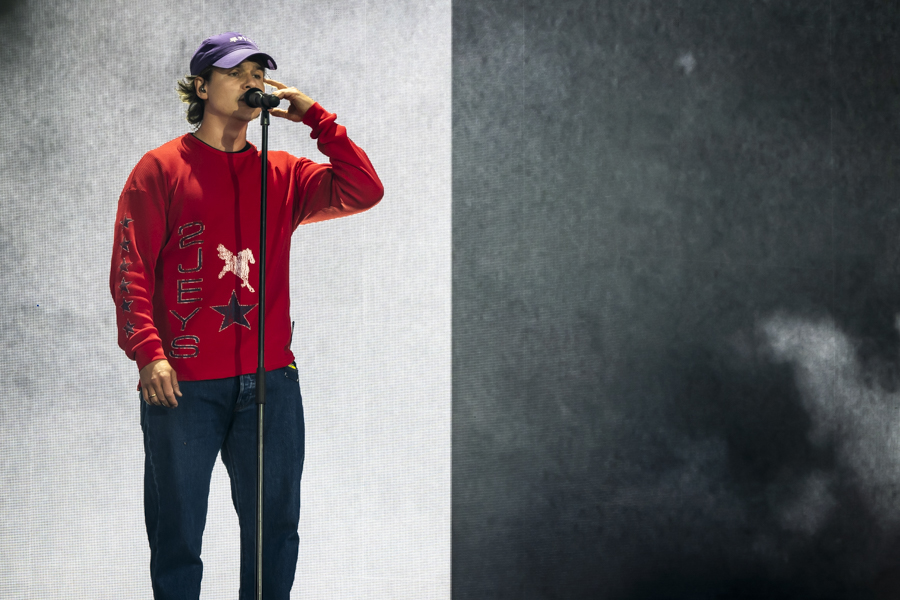
This benefits songs such as “Happy Home”, “Second Chance”, “Strip No More” and “Mama Said”, which gain extra depth and shine when given more space. Only then does Lukas Graham seem to settle after the more efficiency-driven first half, where it also feels somewhat surprising that a strong track like “Drunk in the Morning” is split into two parts. The clear highlight remains the signature song “7 Years”, which receives and deserves full attention. In short, the performance would benefit from fewer songs, more detail, and more refinement, allowing the excellent band to stretch out with more solos and musical space. And as a general rule, one should never speak over a drum solo; it should be allowed to stand on its own and breathe.
Photo (c) Nibe Festival & Martin Damgård, Hverdagsvinkler.dk