Album review overview: Placebo, Nduduzo Makathini and more

Dozens of new albums arrive at Maxazine’s editorial staff every week. There are way too many to listen to them all, let alone review them. It ensures that too many albums are left behind. And that’s a shame. That is why today we post an overview of albums that arrive at the editors in short reviews.
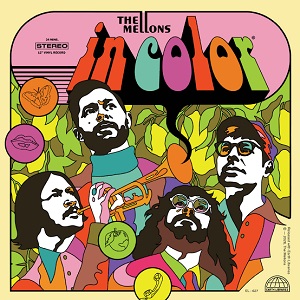
The Mellons – The Mellons In Color
The Mellons from Salt Lake City deliver a second album with “The Mellons In Color” that sounds like a love letter to the sixties, addressed to Brian Wilson and no one else. Fourteen years after Pet Sounds, the quartet once again builds the same cathedral of layered harmonies, mellotron, glockenspiel and brass, doing so with a precision that leaves you speechless. From a production standpoint, this is flawless. Andrew Beck and Denney Fuller together seem to play the equivalent of an entire orchestra and manage to capture every ray of sunshine from The Association and The Left Banke. The highlight is “Things Gone By”, in which melancholy finally breaks through the sugar coating. But therein lies the problem: this is craftsmanship without an original idea. A potter making beautiful pots at the village fair, yet inventing no new shape. Anyone who knows “God Only Knows” already knows half of this album. Beautifully recreated, sincerely intended, but not original enough to truly linger. (Jan Vranken) (6/10) (Earth Libraries)
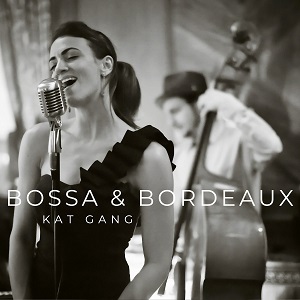
Kat Gang – Bossa and Bordeaux
You know the type: people who taste wine in a restaurant as though they are sommeliers themselves. A sip, preferably accompanied by an audible slurp, exaggerated swirling around the mouth and, after swallowing, approval of the ‘little wine’ with a serious expression. Note that they always speak in diminutives. We belong more to the Ilja Gort school: there is no need to overcomplicate wine. The same applies to the wine served by American singer Kat Gang. On “Bossa and Bordeaux”, she steps away from her American Songbook repertoire and builds bridges to French icons such as Edith Piaf, particularly on “Sous le ciel de Paris”. That Gang is a superb singer is beyond doubt; she proved that long ago. The decision to keep the arrangements restrained is wise because it allows Gang’s warm and highly controlled voice to shine through. The languid, sometimes smouldering bossa nova and samba rhythms (“So Danço Samba” is a fine example) and the French language are the perfect ingredients for an album to play later in the evening. No, this is not a high flyer. Not a 1965 Vieux Bordeaux Calvet. This is simply an elegant little wine. Just let it roll around the mouth for a moment. (Jeroen Mulder) (7/10) (Nkr Records)
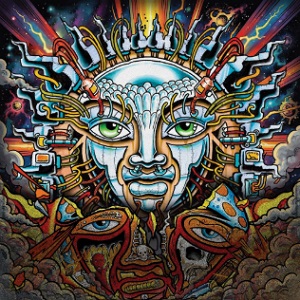
Sublime – Until the Sun Explodes
Thirty years after the self-titled album that became inseparably linked to the death of frontman Bradley Nowell, Sublime return with their fourth album, this time with Jakob Nowell, Bradley’s son, behind the microphone. “Until the Sun Explodes” is deliberately positioned as an epilogue, Jakob’s thank-you note to his father and to the band’s legacy. With 21 songs and a long list of guests, including H.R. of Bad Brains, G. Love, FIDLAR and Pennywise guitarist Fletcher Dragge, the album is ambitious and broad in scope. The familiar mix of ska, reggae, punk and Californian energy returns on tracks such as “Ensenada” and “Can’t Miss You”, and Jakob sounds remarkably close to his father. Some critics found the album too long and uneven in quality, but the title track works undeniably as its emotional centre, and the guest-friendly energy rarely allows the album to become dull. For loyal fans this is a treat; for newcomers it is an interesting entry point. (Anton Dupont) (7/10) (Atlantic)
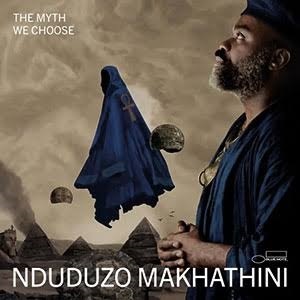
Nduduzo Makathini – The Myth We Close
Do not even try too hard to pronounce the artist’s name correctly. Nduduzo Makathini is a South African pianist who combines jazz with music from the Zulu tradition, making him one of the most innovative artists in the genre. The spirituality with which Makathini grew up in KwaZulu-Natal resonates throughout everything he does. In this way, he continues the path he set out on in 2024 with “The Myth We Carry”. The fact that this album is now being released on the prestigious Blue Note label is nothing less than recognition that the pianist truly adds something to jazz, something granted to only a select few. His music is so much more than jazz. It is a representation of the South African soul. At the same time, this album is far more accessible than his previous work. From the atmospheric opening track “Kuzodlula”, featuring a beautiful contribution from trumpeter Robin Fassie, to the bluesy “Unembeza” and the uplifting “Imvunge KaNtu”, many listeners may struggle somewhat to follow the polyrhythms in the latter piece. Makathini creates a new world in music, mindful of the words of Wayne Shorter: ‘His idea was to play and write music the way you want the world to be, the world you hope for. That has always been my goal.’ Signed, Nduduzo Makathini. An impressive album by an artist who is increasingly claiming his place in the international jazz world. (Jeroen Mulder) (9/10) (Blue Note Records)
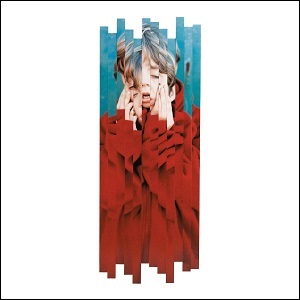
Placebo – Placebo Re:created
Placebo debuted in 1996 with a remarkably strong album and brought something fresh and distinctive with them. Their music appealed to a younger generation and guaranteed packed festival tents. As a 24-year-old young adult, Molko entered the studio with his band at the time. Still inexperienced in the recording process, Placebo became an unpolished yet honest reflection of what was living inside him at that moment. These songs are delivered with a natural commitment and urgency that perfectly match the spirit of the era. Re-recordings or reinterpretations of a successful album rarely equal repeating that success. Moreover, many enthusiasts are generally not waiting for them. But who says that should be the goal at all? Re:created primarily offers a new perspective on how Placebo see themselves today, set against the inexperience of nearly thirty years ago. The band still moves forward at full speed, with the conviction and urgency that a now 52-year-old Molko can project when looking back on his past without regret. In form, intention and power, the album offers few surprises. For a new generation of listeners, however, these songs have been brought into the present with all their energy, and from Placebo’s perspective, there is certainly something to be said for that. (Bart van de Sande) (7/10) (Elevator Lady Ltd/AWAL Recordings Ltd)