Album review overview: Paul Gilbert, Lee ‘Scratch’ Perry and more

Dozens of new albums arrive at Maxazine’s editorial staff every week. There are too many to listen to, let alone review them. It ensures that too many albums are left behind. And that’s a shame. That is why today we post an overview of albums that arrive at the editors in short reviews.
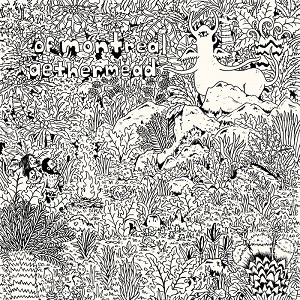
Of Montreal – Aethermead
Of Montreal returns with “Aethermead”, an album that moves between psychedelic pop, electronics and playful art rock structures. Released around 5 June 2026, the record once again demonstrates how the band continually balances accessibility and experimentation. Songs such as “Glass Lanterns” and “Soft Machinery” combine rhythmic synth layers with unexpected melodic twists, with compositions that develop in a circular rather than traditionally progressive manner. The production is layered and at times almost overwhelming, but that suits the collage-like style that Kevin Barnes has employed for years. What stands out is the way the vocals are often embedded within the mix rather than floating above it, creating a kind of drifting sonic landscape. Not every idea is fully developed, but it is precisely this fragmented character that maintains the tension. The album requires multiple listens to fully grasp its structures, as themes and motifs subtly return. Despite its experimental approach, a pop sensibility remains present, keeping the record accessible to a broad audience within the alternative segment. (If you are looking for a more accessible Of Montreal album, this one is less immediate than their earlier work, but richer in content.) (William Brown) (7/10) (Polyvinyl Record Company)
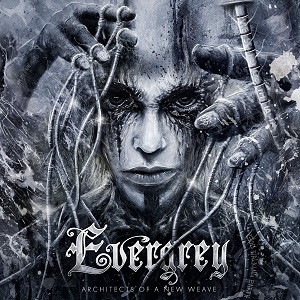
Evergrey – Architects Of A New Weave
With “Architects Of A New Weave”, Evergrey once again delivers a tightly constructed progressive metal album, scheduled for release around 5 June 2026. The band builds upon its familiar style with dark themes, technical guitar work and a strong emphasis on atmosphere and dynamics. Tracks such as “Fractured Blueprint” and “Silent Constructions” demonstrate how precisely the arrangements interlock, with every instrumental layer deliberately placed. The album alternates heavy, riff-driven passages with melodic sections in which keyboards and guitar lines support rather than compete with one another. The vocals remain controlled and emotionally charged without excessive drama. The production is clear, allowing every detail in the mix to remain audible, which is particularly important during the more complex passages. Although the album contains few genuinely surprising stylistic turns, the existing formula is refined effectively. The whole feels coherent and carefully considered, focusing more on consistency than experimentation. In doing so, Evergrey confirms its position within the modern progressive metal scene. (Anton Dupont) (8/10) (AFM Records)
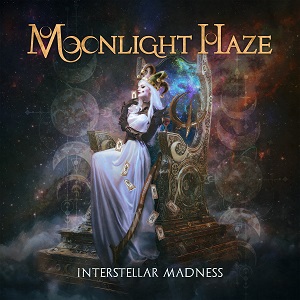
Moonlight Haze – Interstellar Madness
“Interstellar Madness” is the new EP by the Italian band Moonlight Haze. The blend of Eastern influences, metal and symphonic elements creates a catchy, slightly pop-oriented opening track. The following tracks are also melodic and uplifting. The overall result is accessible, but the sound sometimes lacks dynamics. As a result, the twists and details, for example, in “We Are Fire”, do not fully come to life. “Shine” ends too abruptly, as if a section is missing. The title track begins calmly. When the tempo increases, the melody remains intact. The balance between the layered, classically trained vocals and the metal elements in the music works well. Had the sound been richer, the impressive guitar work, classical elements and grim vocals would certainly have achieved a cinematic quality. The track ends with whispered words and is well structured. Because of the title “Interstellar Madness: Finale”, one expects a grand concluding track. However, this piece is shorter and less imposing than expected, ending with a fade-out. One final positive point: the layered vocals on this EP range from clear and classical to powerful or occasionally grim. Both the variety and the blend between these styles work very well. (Esther Kessel-Tamerus) (7/10) (Scarlet Records)
Lee ‘Scratch’ Perry & Mouse on Mars – Spatial, No Problem
For reggae enthusiasts, the name Lee ‘Scratch’ Perry will need no introduction. The producer, composer, singer and above all dub pioneer, who passed away in August 2021, left an indelible mark on countless artists through his legendary “Black Ark Studios”. Thanks to his revolutionary and unconventional working methods and mixing techniques, which were far ahead of their time, he became one of the most influential figures in the worlds of reggae and dub. Mouse on Mars consists of two German musicians who have been creating distinctive electronic music since 1993. Their sound draws influence from krautrock, ambient and dub, among other genres. The album is regarded as one of Perry’s final major studio projects before he died in 2021. The result is a record on which Perry’s characteristic, almost incantatory spoken vocals merge effortlessly with the experimental sonic world of Mouse on Mars. Perry had already decided that this would not be a conventional reggae album. Instead, “Spatial, No Problem” moves freely across a musical spectrum that includes jazz, brass, ambient and, naturally, dub. This diversity ensures that the album continues to surprise throughout. It has become an album in which a remarkable musical symbiosis emerges between two completely different worlds. With every track, you become curious about what will come next, and that is always a good sign. As a result, “Spatial, No Problem” is not only a successful collaboration between two boundary-pushing artists, but also an adventurous listening experience that demonstrates how far musical creativity can reach when genres, generations and ideas come together. (Bart van de Sande) (8/10) (Domino Recording Company)

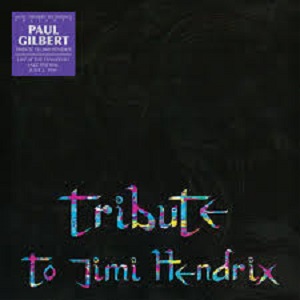
Paul Gilbert – Tribute to Jimi Hendrix
Following “Wroc” from 2026, Paul Gilbert presents a renewed edition of “Tribute to Jimi Hendrix”, originally released in 1991. At the time, it was the first regular solo album by the talented guitarist, best known for Mr. Big and hits such as “To Be With You” and “Wild World”. The story behind this album begins on 2 June 1991 at the Frankfurt Jazz Festival. Gilbert had been invited to perform alongside Albert Collins. Shortly after arriving, it became clear that Collins was unable to play due to health problems. The organisers then unexpectedly asked Gilbert to take over as the main act. Without his own band or a prepared set, a backing group was hastily assembled featuring the bassist and drummer from Ten Years After. With only a few hours of preparation, Gilbert decided to perform an entire Hendrix set. The result was energetic renditions of songs such as “Red House”, “Hey Joe” and “Purple Haze”. It is precisely this spontaneous approach that forms the album’s strength. The unpolished production and limited preparation keep Gilbert close to his own musical core. His vocals are less convincing; where Jimi Hendrix possessed character and swing despite his limitations, Gilbert occasionally sounds somewhat flat. His guitar playing, on the other hand, is immaculate, technically impressive and entirely in service of the music. Although this tribute does not surpass the original, it is a respectful and successful homage. Its remarkable origin story further enhances the listening experience and once again highlights Gilbert’s exceptional qualities as a guitarist. (Bart van de Sande) (7/10) (Music Theories Recordings)