
Precious Pop Pearls: The Story Behind Neneh Cherry – “Buffalo Stance”
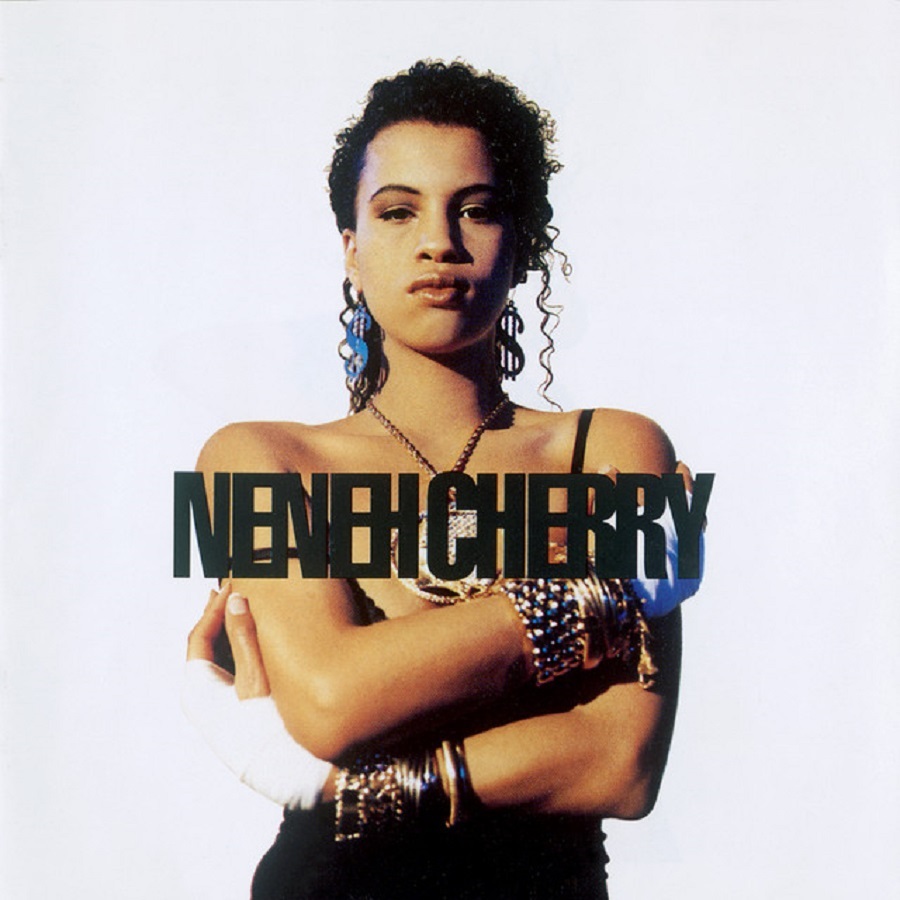
There are songs that do not merely soundtrack an era, but also change it a little. “Buffalo Stance” by Neneh Cherry is one such song. When it was released at the end of 1988, it sounded like something the charts had never heard before: a pregnant woman rapping, singing and at the same time projecting an attitude that fitted no category. Hip hop, dance pop and freestyle blended into a record that conquered charts around the world within just a few months. What began as a leftover B side of a forgotten single grew into one of the most influential pop moments of the late eighties. This is the story behind that song, the woman who sang it, and everything that came before and after it.
Neneh Cherry
Neneh Mariann Karlsson was born on 10 March 1964 in Sweden, the daughter of a Sierra Leonean percussionist and a Swedish artist. Before she was fourteen, she also gained a stepfather who would permanently shape her life: the renowned jazz trumpeter Don Cherry. She grew up between Stockholm and New York, in a household where music, art and an unconventional lifestyle were the norm.
At the age of fourteen, she left school and moved to London, where she immersed herself in the vibrant punk and post punk scene. She briefly sang with groups such as the Slits and the Nails before joining Rip Rig + Panic, a band that combined experimental jazz, funk and punk into something entirely idiosyncratic. During the same period, she also contributed to the New Age Steppers project by dub producer Adrian Sherwood.
It was in this London underground scene that Cherry came into contact with the Buffalo movement, an influential fashion collective led by stylist Ray Petri, and where she met photographer and musician Cameron McVey. That relationship, both personal and creative, would ultimately lay the foundation for her solo career. By the end of the eighties, Cherry, by then a mother and expecting a second child, was ready to turn that unconventional artistic background into a debut album that would shake up pop music.
Buffalo Stance
“Buffalo Stance” did not originate in 1988, but years earlier. In 1986, Cherry recorded a rap for the B side of “Looking Good Diving”, a single by the duo Morgan McVey, consisting of photographer Jamie Morgan and Cameron McVey. That B side, titled “Looking Good Diving with the Wild Bunch”, went virtually unnoticed at the time. The single itself, produced by the famous Stock Aitken Waterman production team, failed to reach the charts.
Three years later, when Cherry was working on her own debut album, that forgotten fragment was brought back to life. Producer Tim Simenon, known for his project Bomb the Bass, and sound engineer Mark Saunders took the original rap and built an entirely new, layered sound around it. Samples were added from, among others, Malcolm McLaren and the Rock Steady Crew, a guitar line reminiscent of Johnny Marr’s style, and the distinctive, energetic synthesiser figure that gave the song its unmistakable climax.
The title refers to the previously mentioned Buffalo movement, and to the attitude that came with it: self assured, with arms crossed and the gaze turned slightly sideways. Cherry described the essence of the song as a kind of countervoice against materialism and superficiality, a plea for female strength and individuality rather than status. That message, wrapped in a production that effortlessly fused hip hop, dance pop and freestyle, proved to fit perfectly with a generation that was ready for something new.
The song was released at the end of November 1988 as the first single from the album “Raw Like Sushi” and grew into a worldwide hit. In the United Kingdom it peaked at number three, in the United States it also reached the top three of the Billboard Hot 100, and in the Netherlands it even managed to reach the number one position. The single also reached first place on the American dance chart. Decades later, the song was still recognised as a milestone: in 2023, the music magazine Billboard placed “Buffalo Stance” in its list of the five hundred greatest pop songs of all time.
Compared with the rest of the charts at that moment, dominated by the polished synth pop of the Stock Aitken Waterman factory and the final spasms of new wave, “Buffalo Stance” sounded surprisingly raw and streetwise. While contemporaries such as Kylie Minogue and Rick Astley opted for a polished pop sound, Cherry brought a sharper, hip hop inspired energy into the mainstream, something that at the time only groups such as Salt N Pepa did with a similar level of conviction. At the same time, the song shared a sample rooted experimental spirit with the emerging Bristol scene around the Wild Bunch, the collective from which Massive Attack would later emerge, and with which Cherry was closely connected.
Robyn
More than three decades after its release, “Buffalo Stance” received a surprising new interpretation. In 2022, the Swedish singer Robyn released her own version of the song, produced together with Dev Hynes and featuring a guest contribution from rapper Mapei, who performed Cherry’s distinctive rap.
The cover came about around the time that Cherry received the Icon Award during the NME Awards, and was presented as a tribute from one Swedish pop icon to another. Where the original relies on a raw, sample driven hip hop foundation, Robyn transformed the song into a smoother, Scandinavian tinted pop production, while retaining the recognisable melodic lines and the self assured message of the original. The two artists had known each other for decades and described the collaboration as a familial, almost symbolic passing of the torch from one generation to the next.
Raw Like Sushi
“Buffalo Stance” formed the opening of Cherry’s debut album “Raw Like Sushi”, which was released in June 1989. The album was recorded in various London studios, including the renowned Abbey Road studios, and brought together a colourful mix of genres: hip hop, new jack swing and R&B effortlessly flowed into one another, complemented by piano, brass instruments, guitars and even go go percussion.
Thematically, the album was strongly guided by Cherry’s own life at that moment: her experiences with motherhood, her upbringing and the way in which she, as a young woman, tried to find her place in the world. Songs such as “Manchild” and “Kisses on the Wind” explored growing up and personal development, while tracks such as “The Next Generation” called for multicultural solidarity. Members of the Bristol Wild Bunch, including later Massive Attack producer Robert Del Naja and DJ Mushroom, contributed to various songs, giving the album a sound that already announced the trip hop movement of the nineties.
“Raw Like Sushi” became a commercial and critical success and reached third place in the British album chart, largely thanks to the momentum of “Buffalo Stance”. The album is still regarded today as one of the most distinctive and forward thinking pop records of the late eighties, a record that ignored genre boundaries at a time when most pop music was becoming increasingly predictable.
Manchild
As the second single from “Raw Like Sushi”, “Manchild” followed in May 1989, a considerably slower and more restrained song than its predecessor. Remarkably, it was the very first song Cherry ever wrote, composed on a simple Casio keyboard with an auto accompaniment function.
The song was co written by Robert Del Naja, better known as 3D from Massive Attack, and arranged with contributions from Nellee Hooper, who was active with Soul II Soul at the time. Where “Buffalo Stance” was clearly hip hop orientated, “Manchild” relies on lush string arrangements and a more subdued, vulnerable tone. Thematically, the song focuses on male immaturity, a counterpart to the self confident female attitude that was central to “Buffalo Stance”. The song also became a considerable hit and confirmed that Cherry had more to offer than a one off success.
What ultimately makes “Buffalo Stance” so special is not only the sound itself, however fresh and unexpected it was at the time, but the way it transformed a very small moment of coincidence into something lasting. A lost B side, a chance encounter with a London fashion collective, a pregnancy that was not hidden away but instead embraced on the stage of Top of the Pops: everything came together in three and a half minutes of pop that blurred the boundaries between genres, generations and continents.
More than three decades later, the song is still played, covered and rediscovered, from club nights to the playlists of a new generation of listeners. That a song with such an unpolished origin has grown into a timeless classic perhaps says the most about the strength of Neneh Cherry herself: an artist who never fitted into a box, and who made that her greatest strength.


