Strong opening day at Nibe Festival’s 40th anniversary
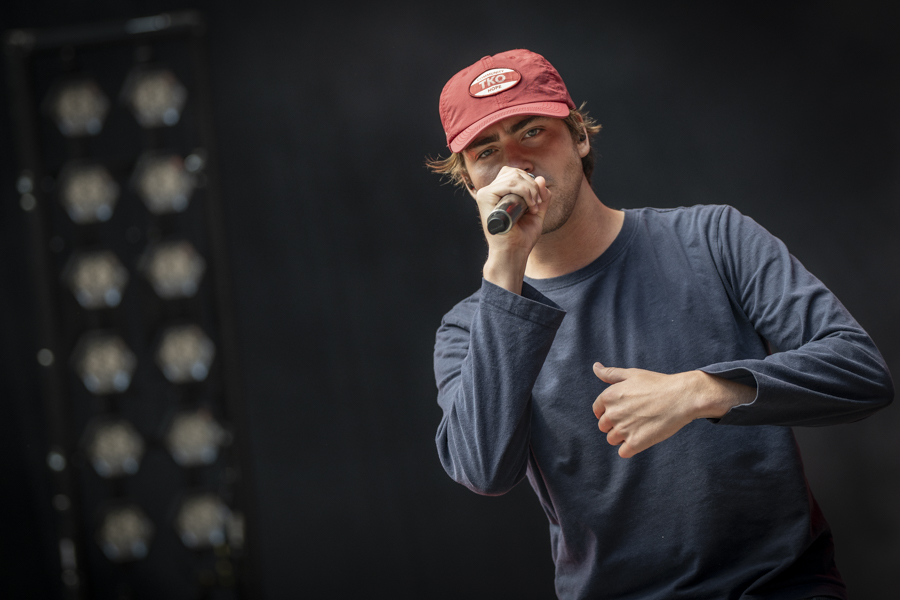
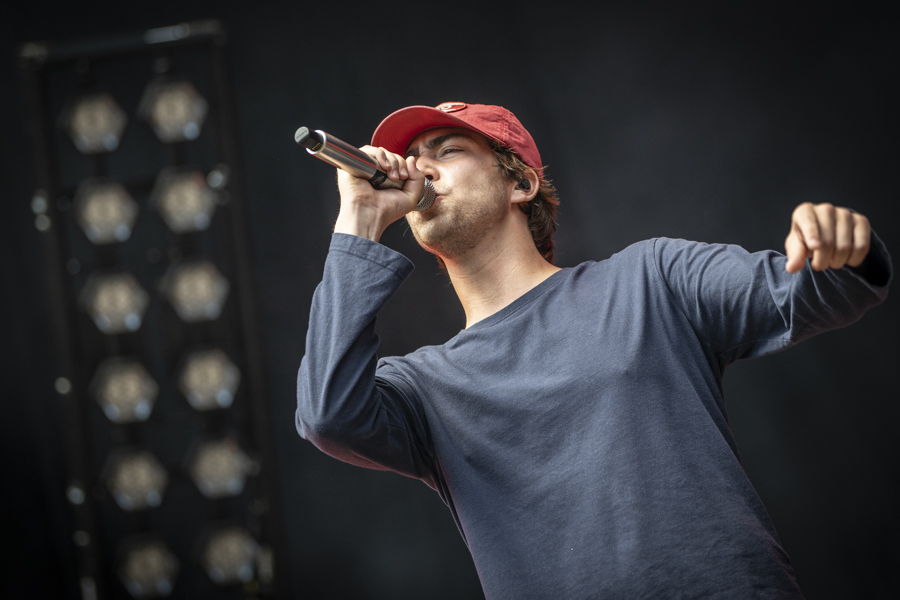
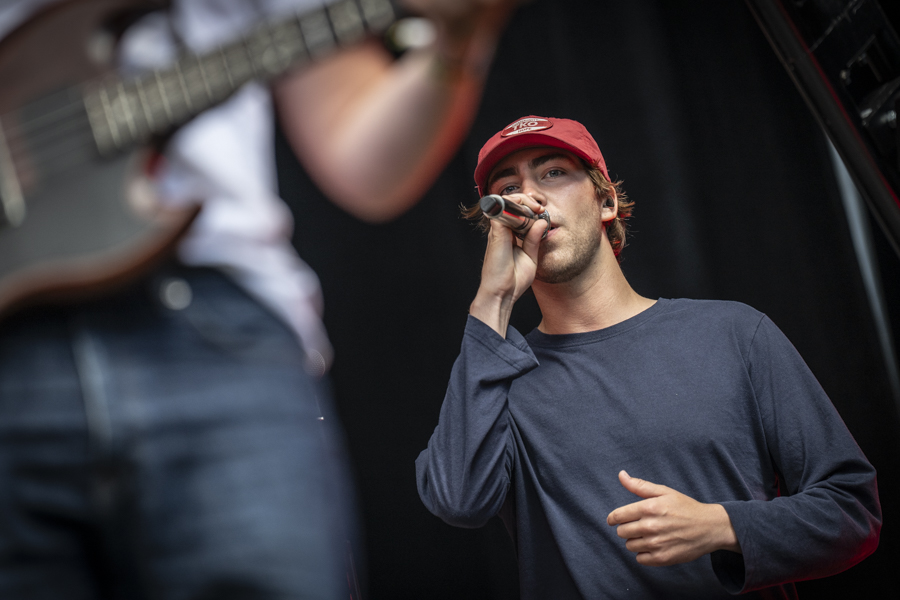
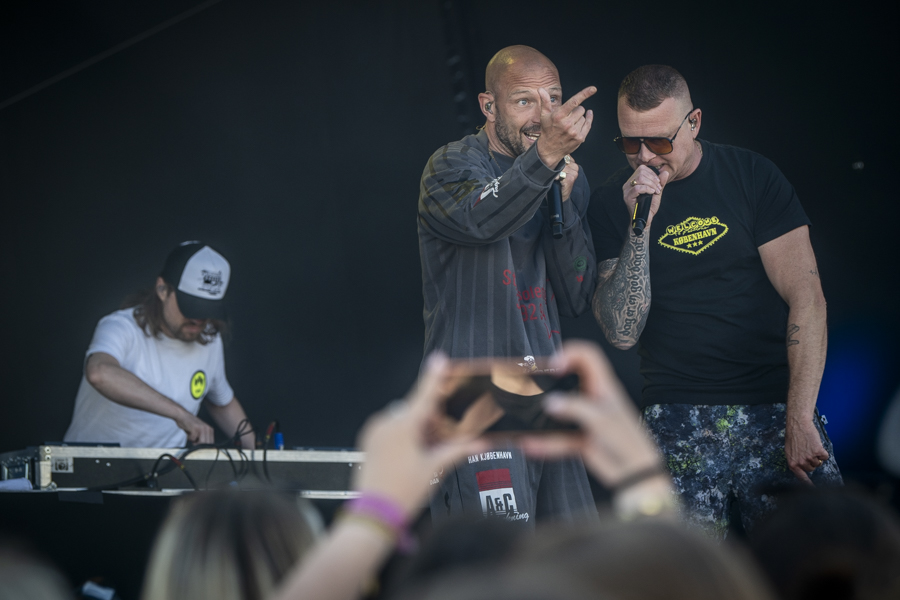
Fyrre, fed og færdig says in Danish – “forty, fat and finito” – about someone or something that is seriously past its expiry date. But Nibe Festival in North Jutland has turned 40, and it just keeps being great in the best possible way – and it is in no way finished. On the contrary, the anniversary edition was not just eased or slipped into motion, but kicked off by the house band Suspekt.
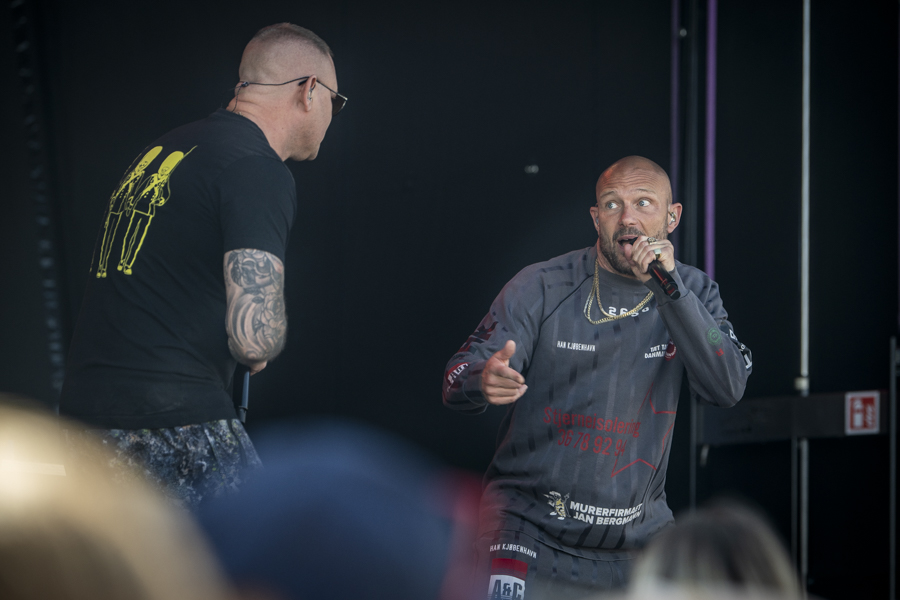
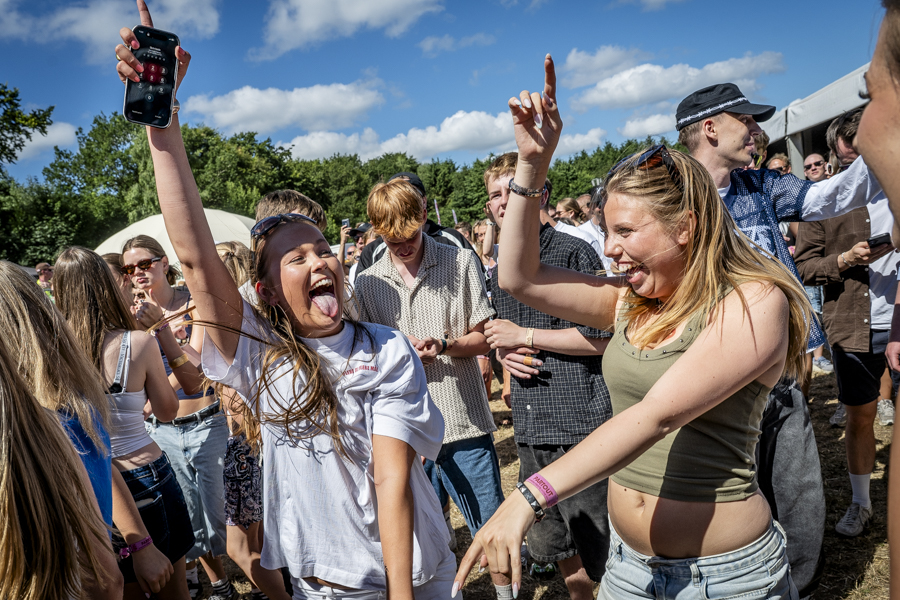
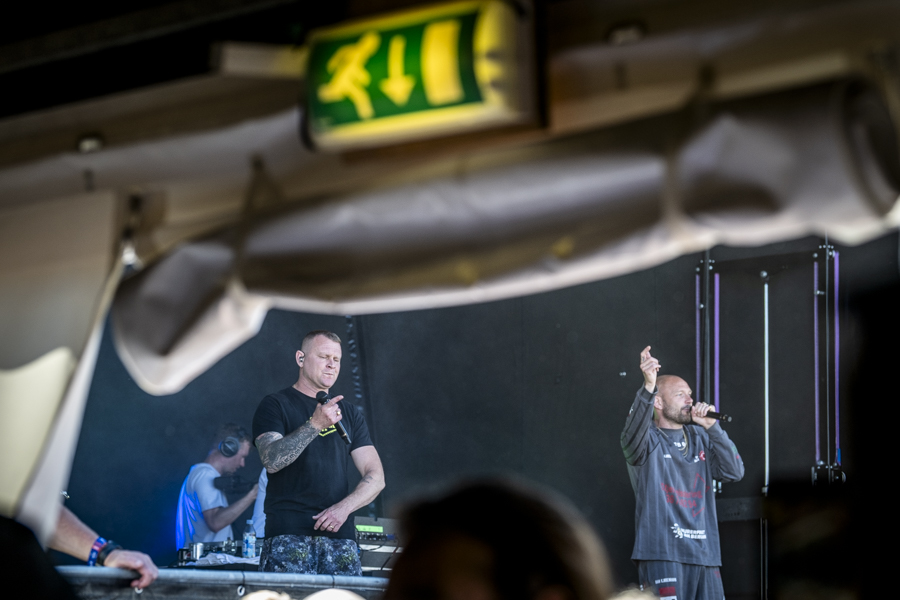
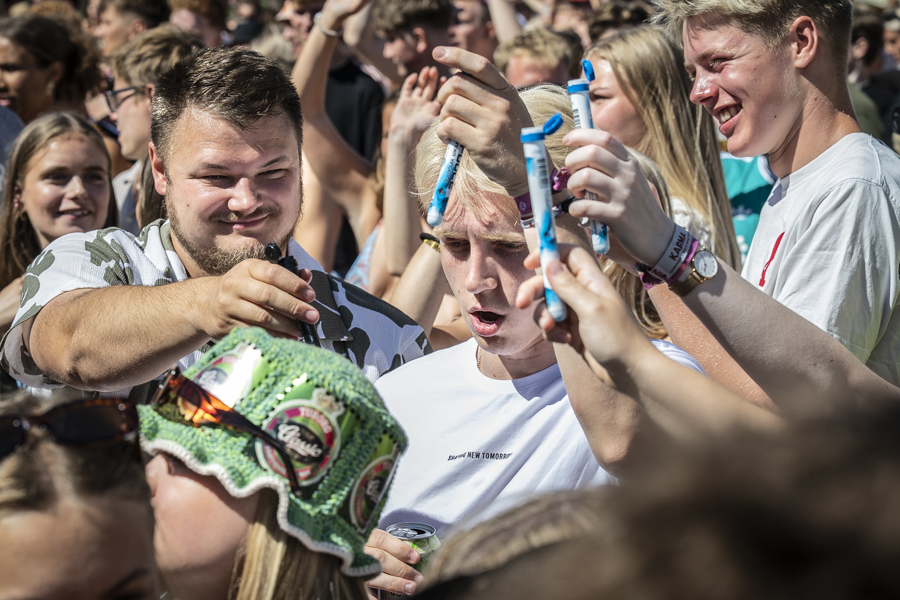
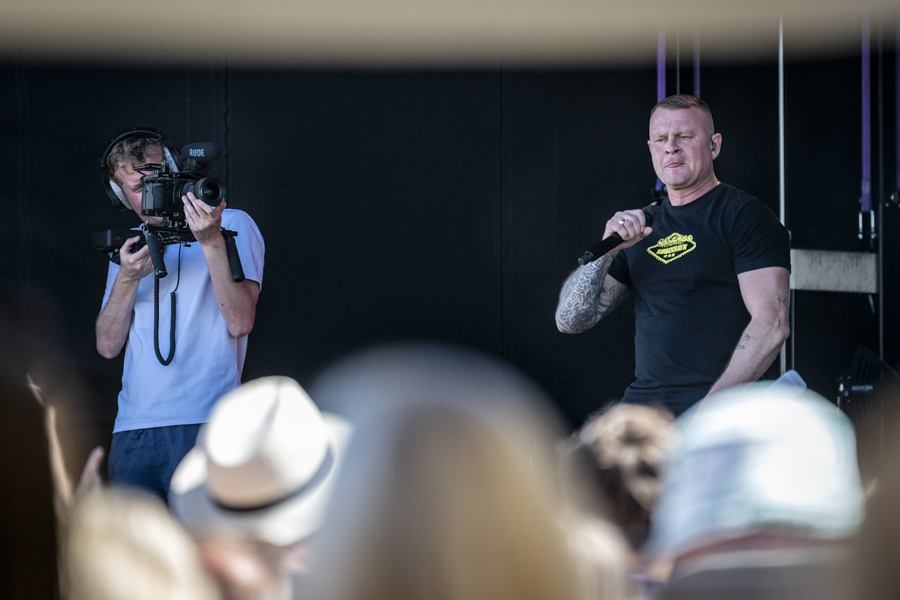
It is the 19th year in a row that rappers Bai-D and Orgi-E and producer Rune Rask have performed in Nibe, and this time they intended to stay at the festival for all four days and truly party hard before closing it with a concert on Saturday evening. On Wednesday they launched the 40th anniversary with 35 compact minutes of “greatest hits” in almost sixth gear for a large, highly grateful audience of the type that only needs to hear the first words of each lyric to handle the rest themselves.
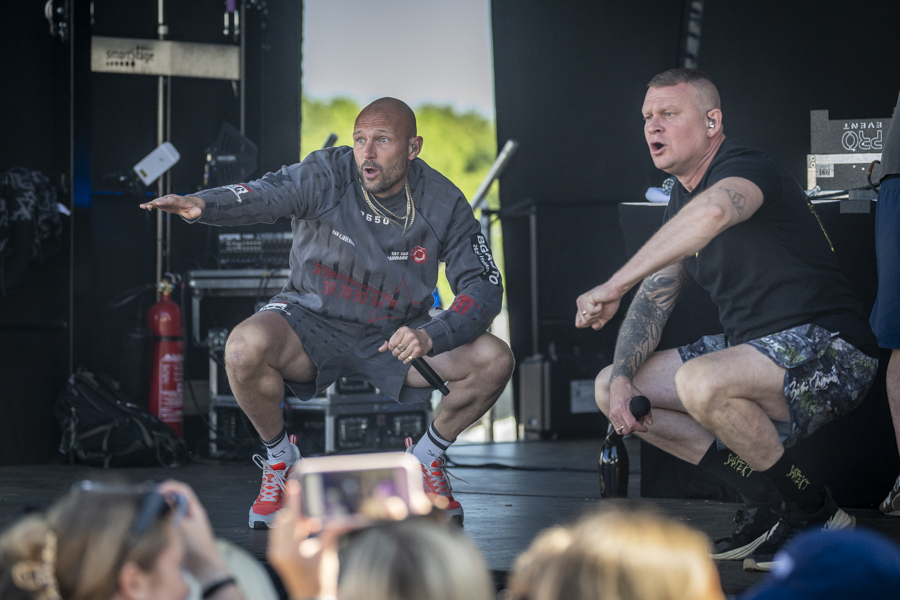
“Du si’r, du har en mand,” came from Suspekt as the opening to “Kinky fætter” – and then the crowd took over the rest, even without the characteristic machine rhythms to guide the way. After that Suspekt started all over again, now with rhythm. The 35 minutes were a breathless rush through major hits such as “Rune Rask er for syg”, “Gonzo”, “Søndagsbarn” and “Shotsrør”, and almost nothing Suspekt rap about is clean or polite (and certainly not for children or the innocent), but it was intense, effective and absolutely on point every time. Respect for Suspekt.
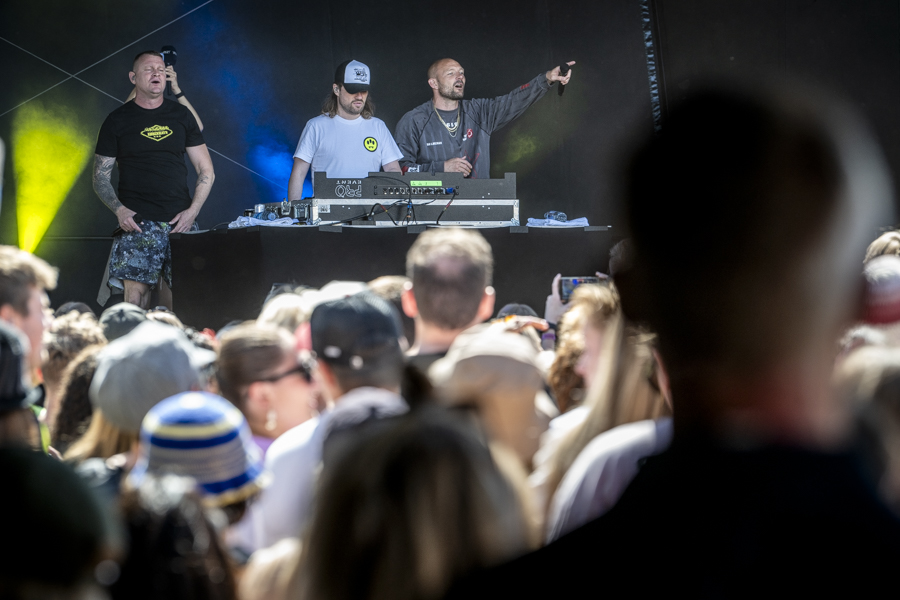
Very few acts have such a strong grip on the audience – and so early in the day (first day before midday). And very few acts have such an extensive merchandise section – full of anything but clean T-shirts and other Suspekt gear to keep life (and lower instincts) going.
To a harvest ball with Lilholt
“Dansen går. Inden alt for længe er der atter kærester til. Der er håb så længe, mmh, kærester vil”.
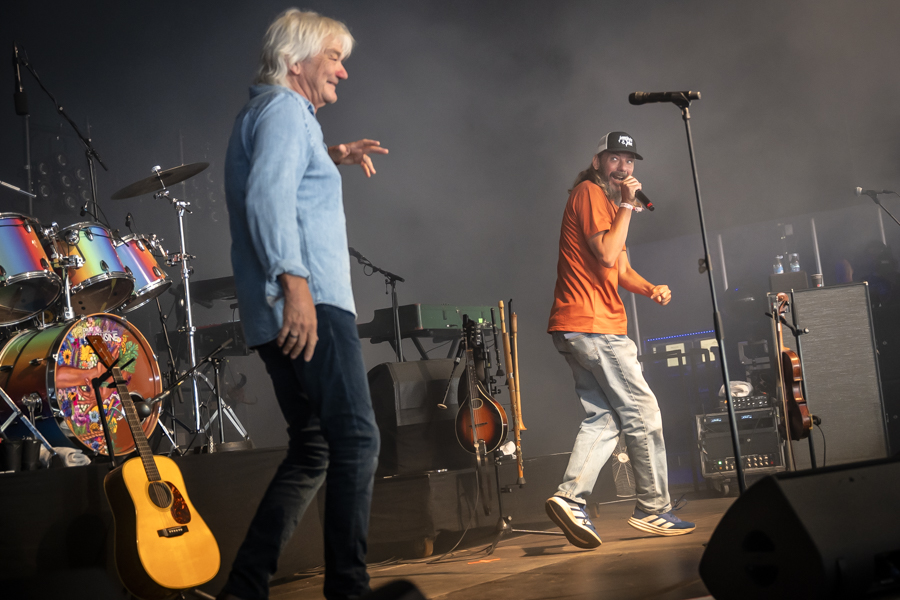
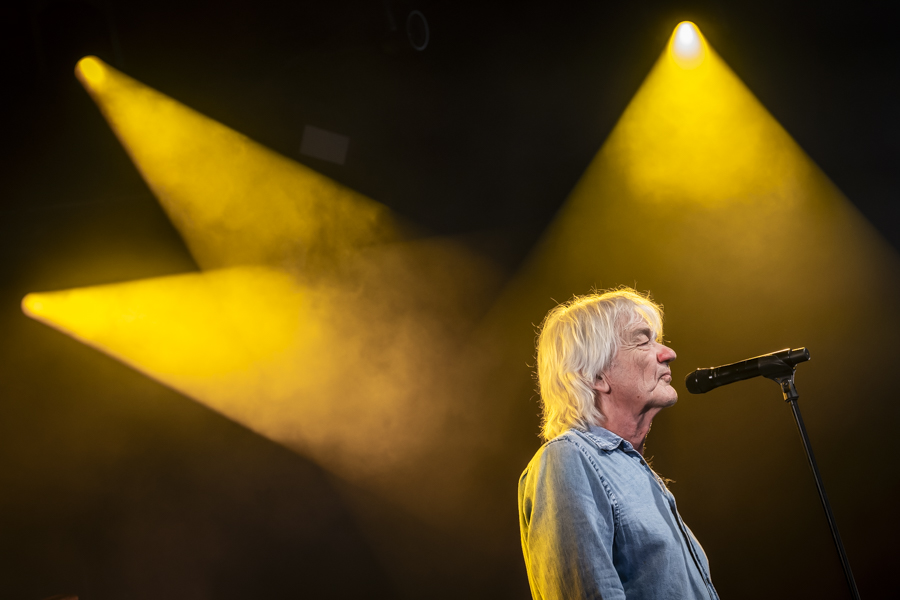
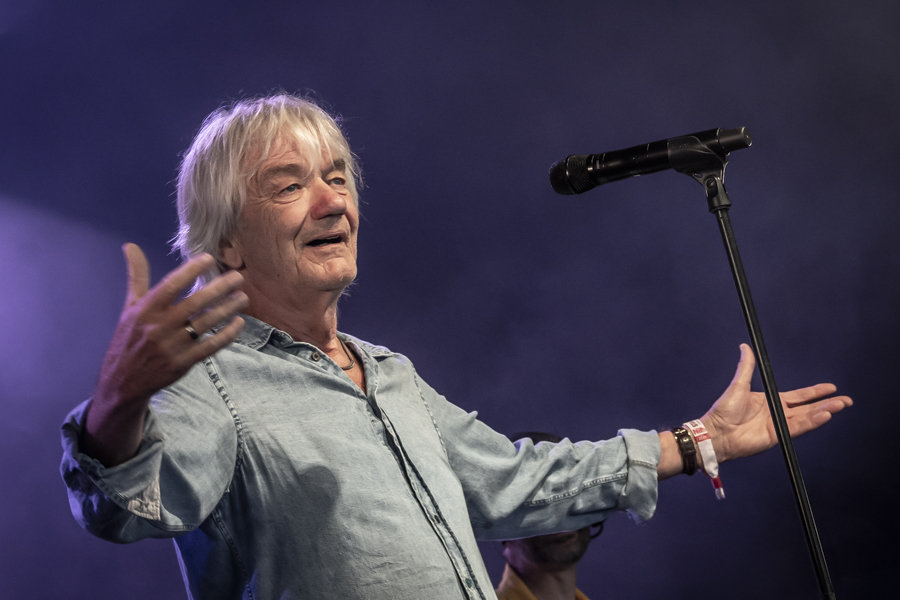
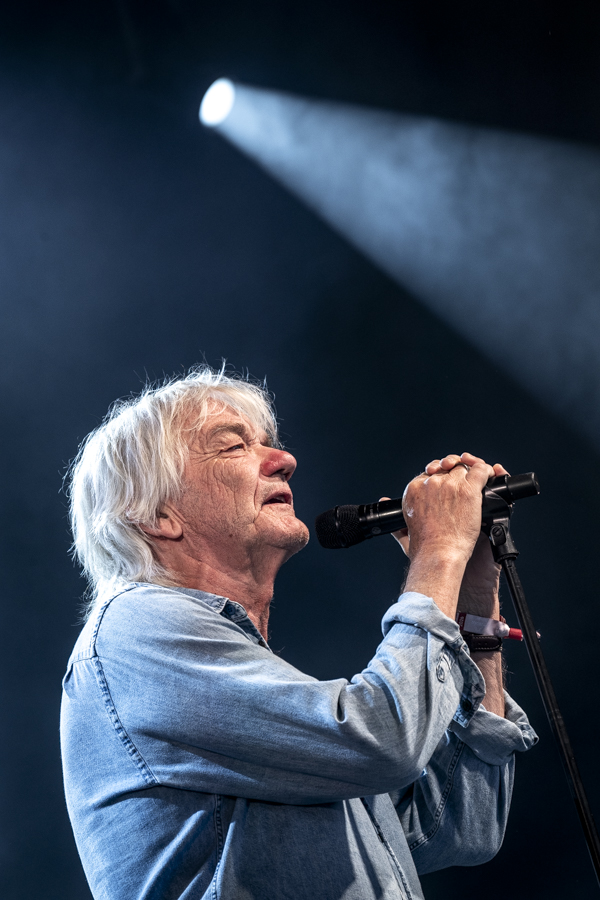
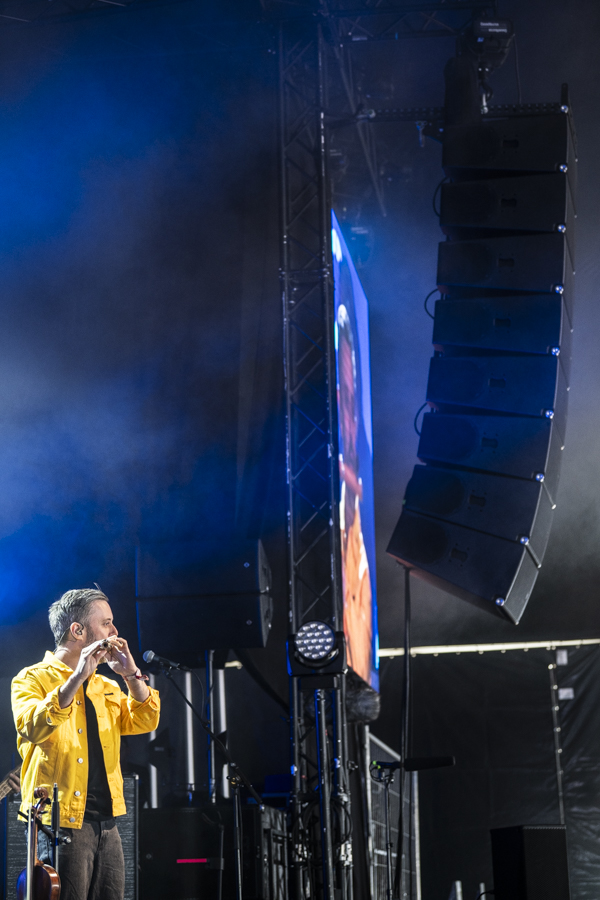
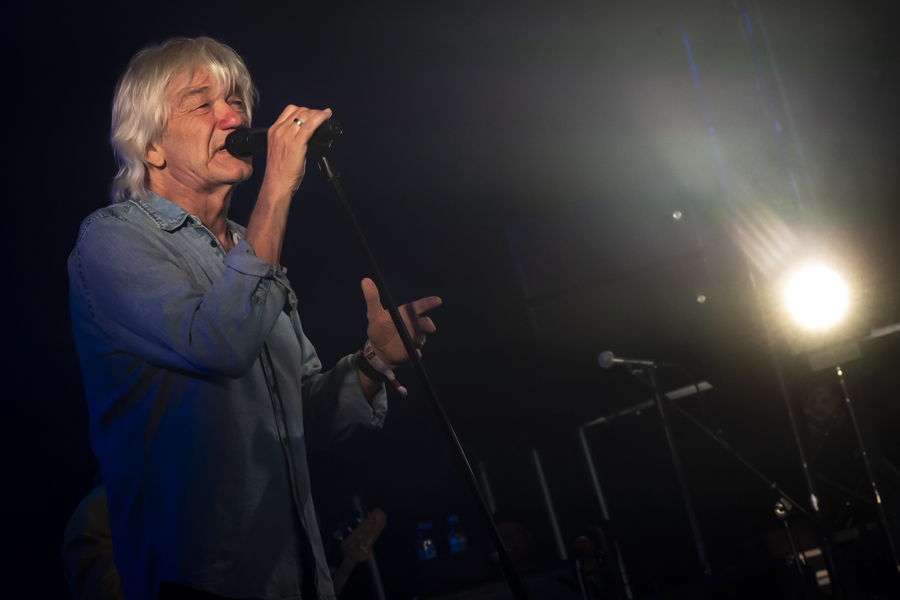
The dance goes on – and it keeps going thanks to folk music’s highly seasoned “grand old man”, Lars Lilholt. He is 73 years old and has performed for more than 50 years, since 1983 as the frontman of his own band, Lars Lilholt Band. Nothing suggests that he plans to slow down, neither in his clear love of performing nor in his intensity. His voice may not be as steady and flexible as before, but it remains expressive.
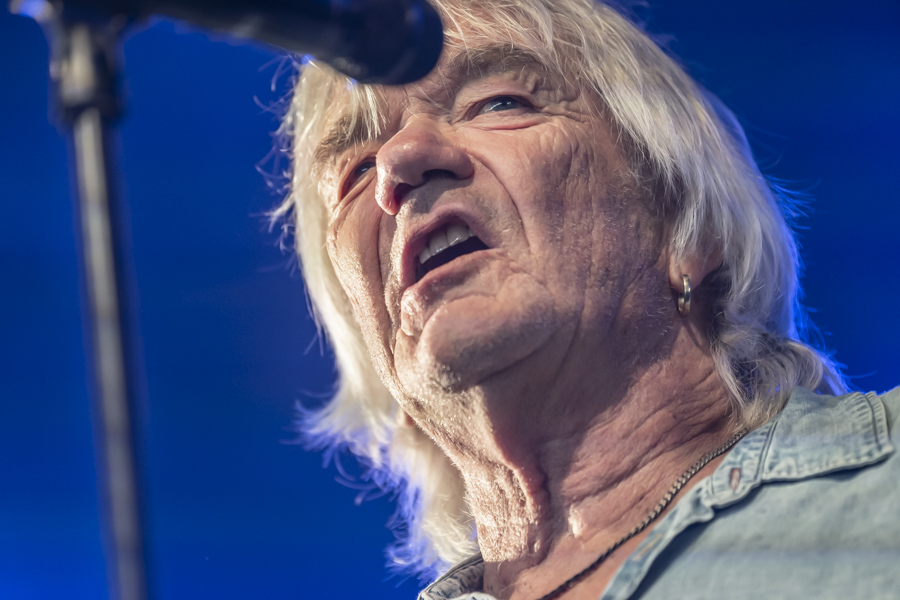
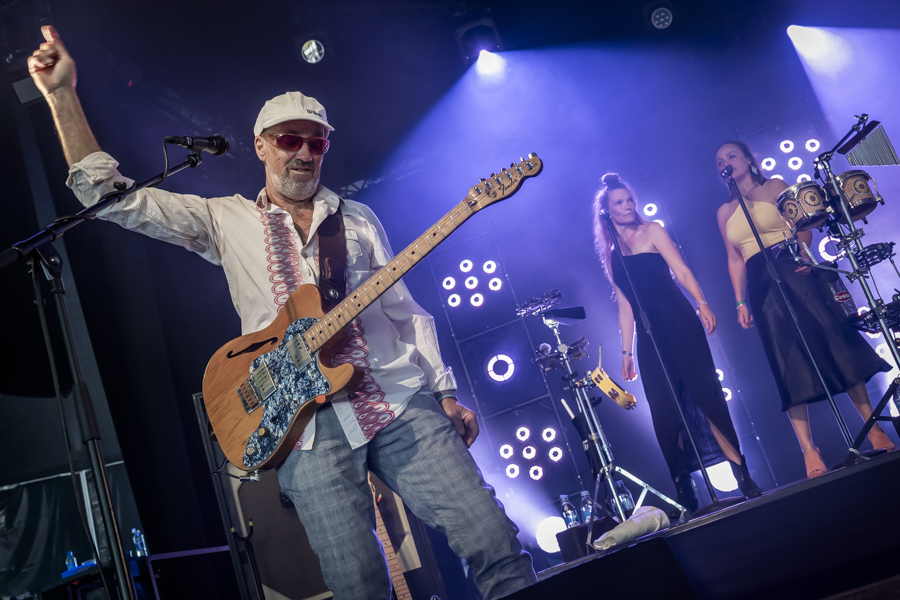
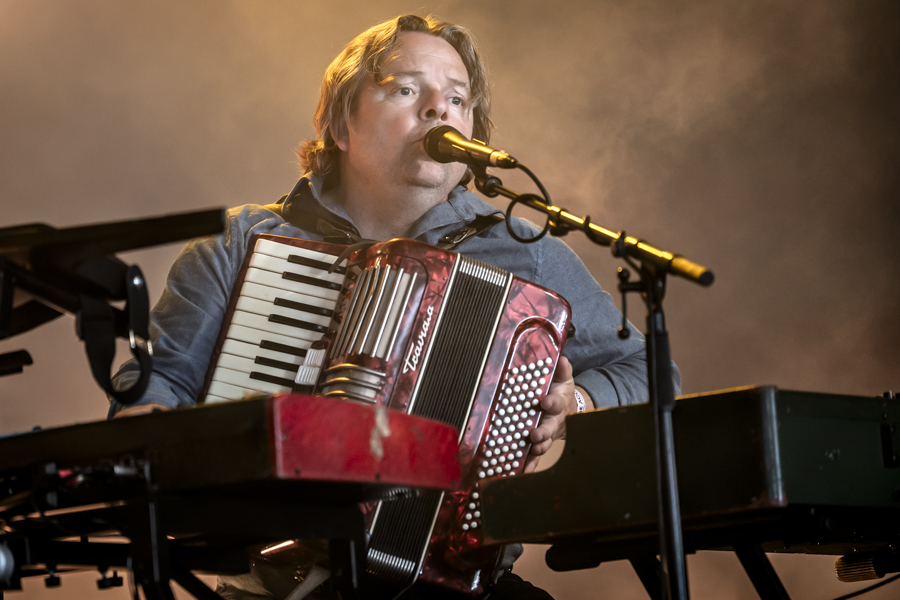
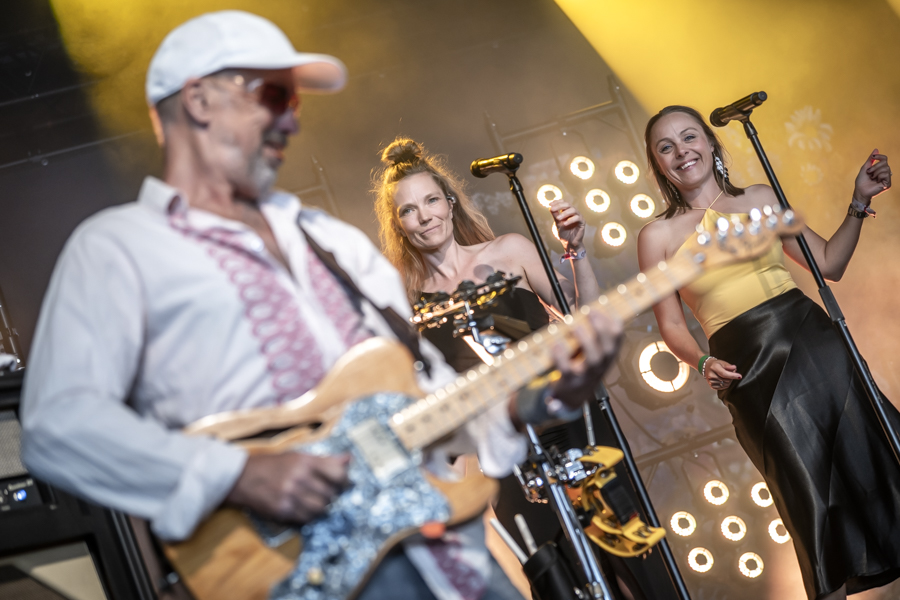
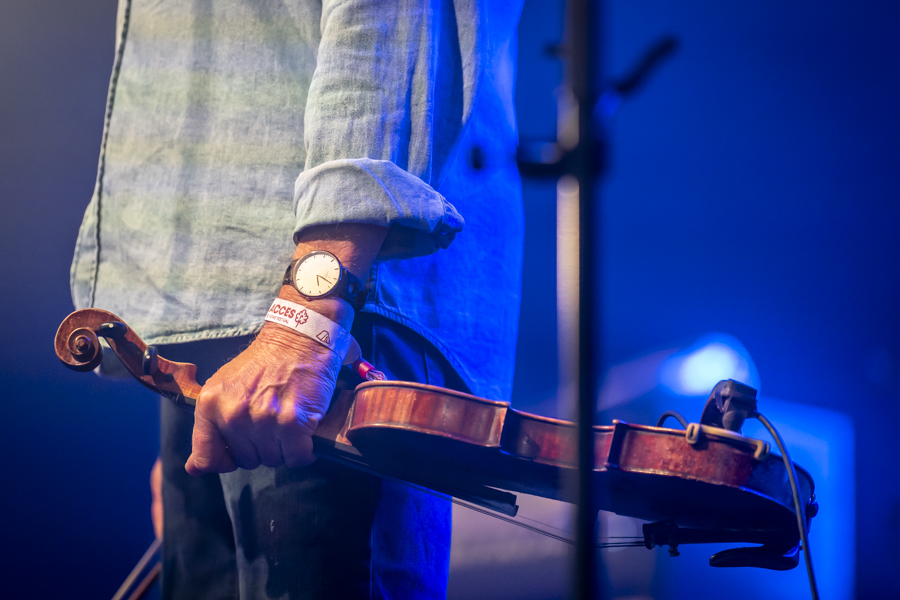
First and foremost, a concert with Lars Lilholt Band in 2026 had the character of a high-energy harvest ball. The foundation was solid folk music with flute, accordion and hurdy-gurdy, but with a strong rock ’n’ roll influence, not least thanks to Gert Vincent’s long, tense, almost “speaking” guitar solos. That the band also had room for the raw edge was shown in a powerful version of “Gloria”, complete with heavy pulse and eerie masks – almost ready for a heavy metal festival like Copenhell.
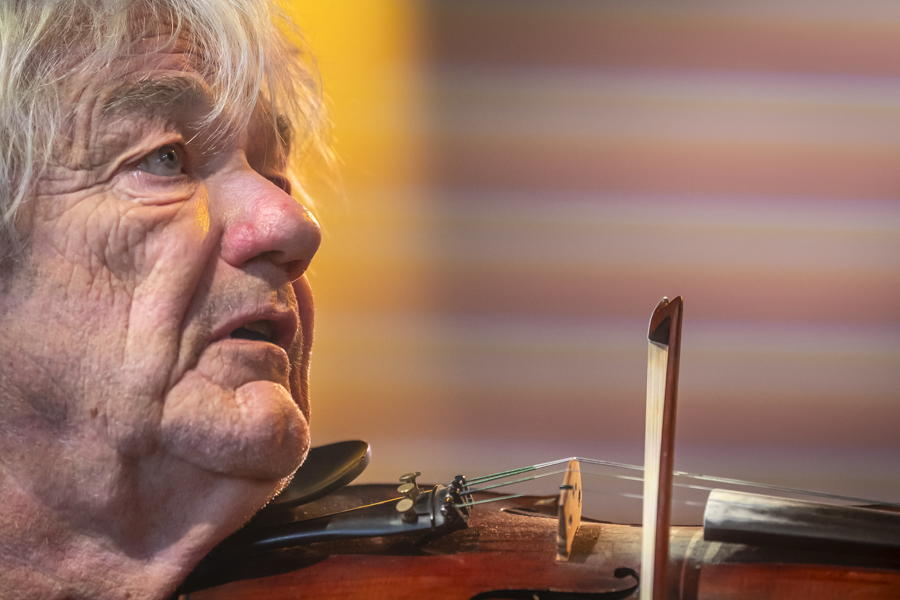
The highlight remained the signature song “Kald det kærlighed”, recently voted number 9 among Denmark’s 100 most popular songs, and it received exactly the treatment it deserved from start to finish. The rest of the concert was largely made up of “greatest hits”, where Lilholt and the band clearly enjoyed reworking familiar songs with harder drums and more guitar.
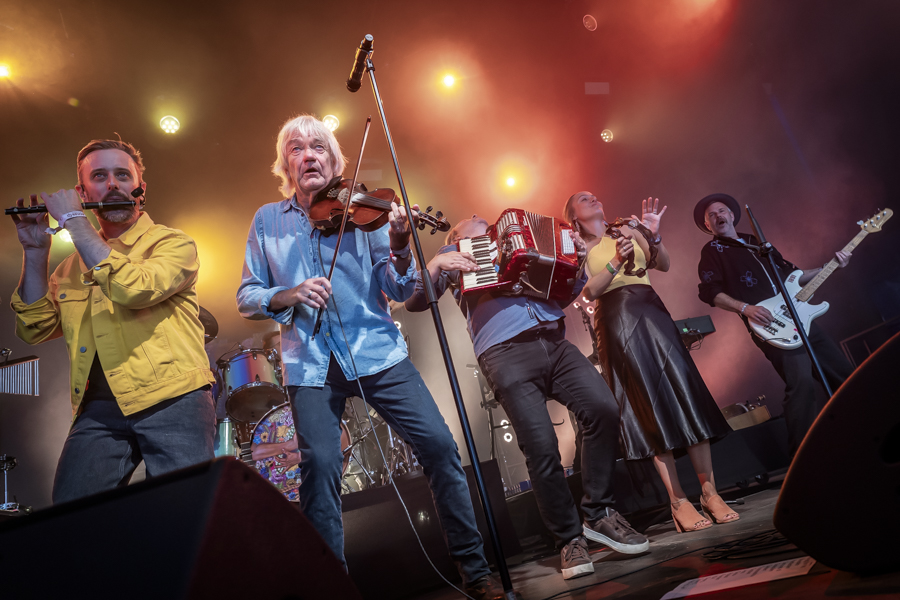
All in all, strong revisits in good company. A strong effort from a musician who has had a permanent place at Nibe Festival since 1988.
Room for improvement
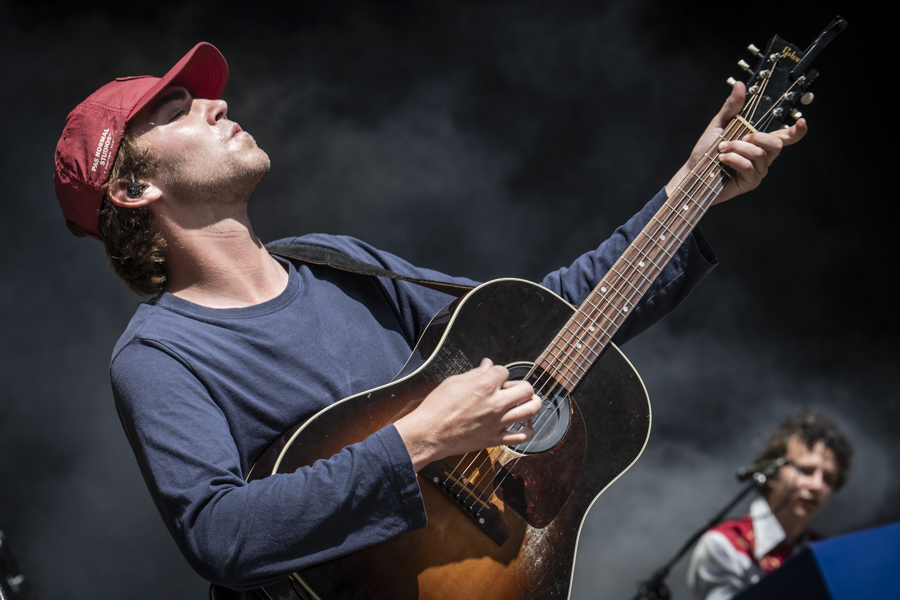
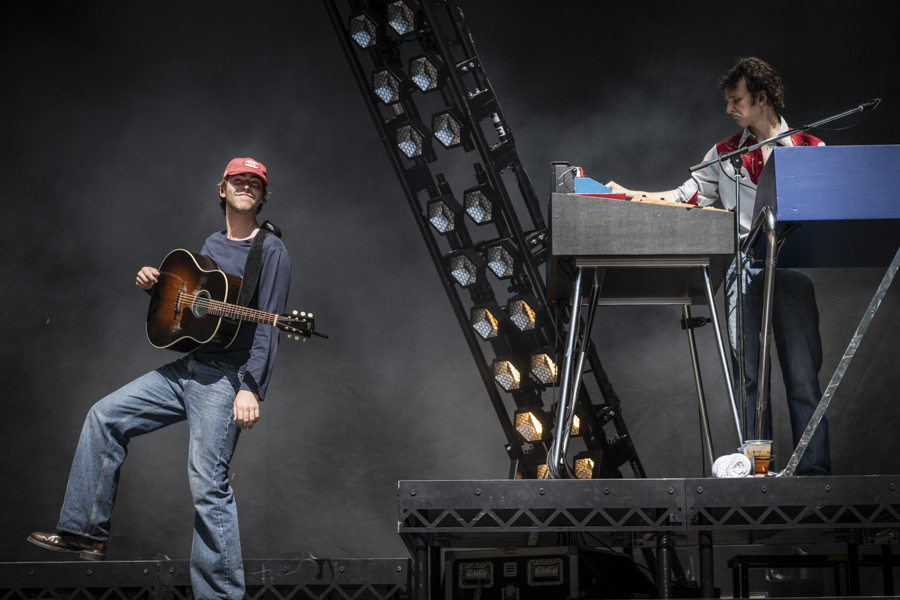
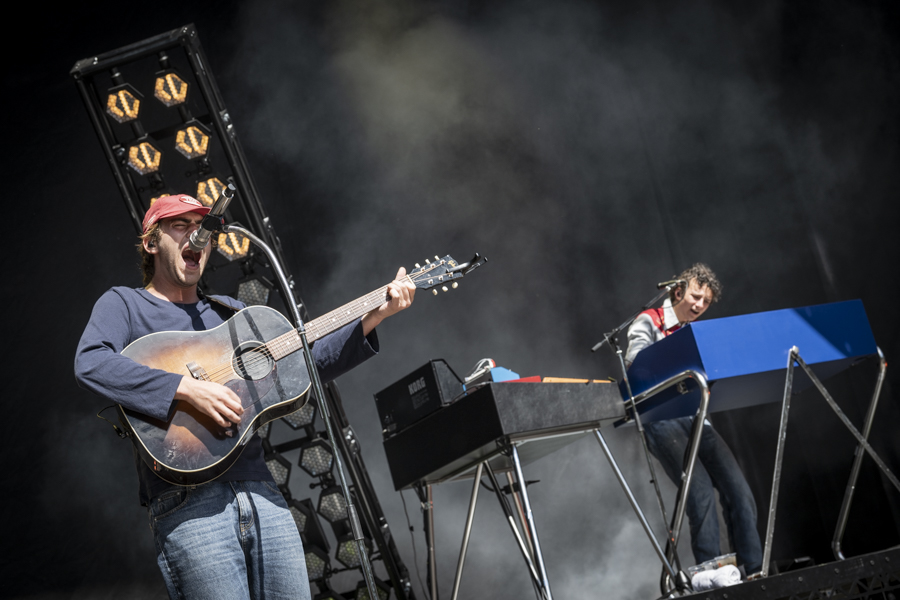
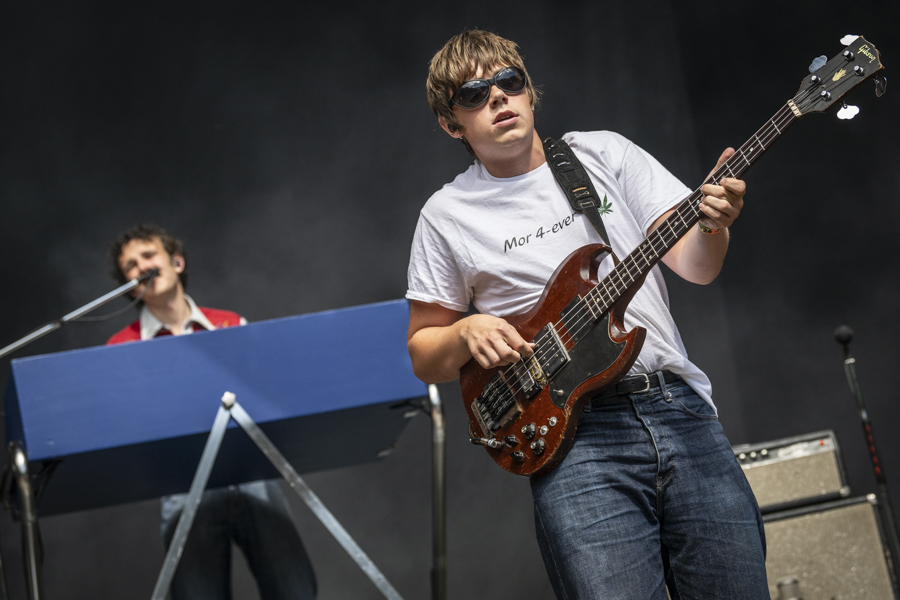
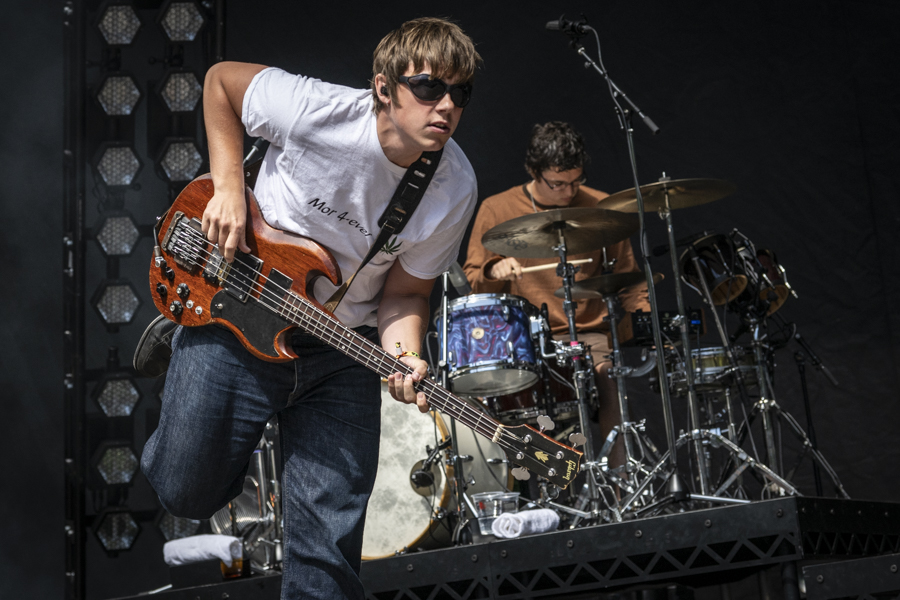
In a relatively short time, APHACA have worked their way into Danish hearts with a wave of heartfelt guitar pop songs. Frontman Rumle Hueg Kærså and Co. are riding high on popularity, which was already clear at Nibe Festival last year, when they were still placed on a smaller stage and quickly drew a packed and singing audience.
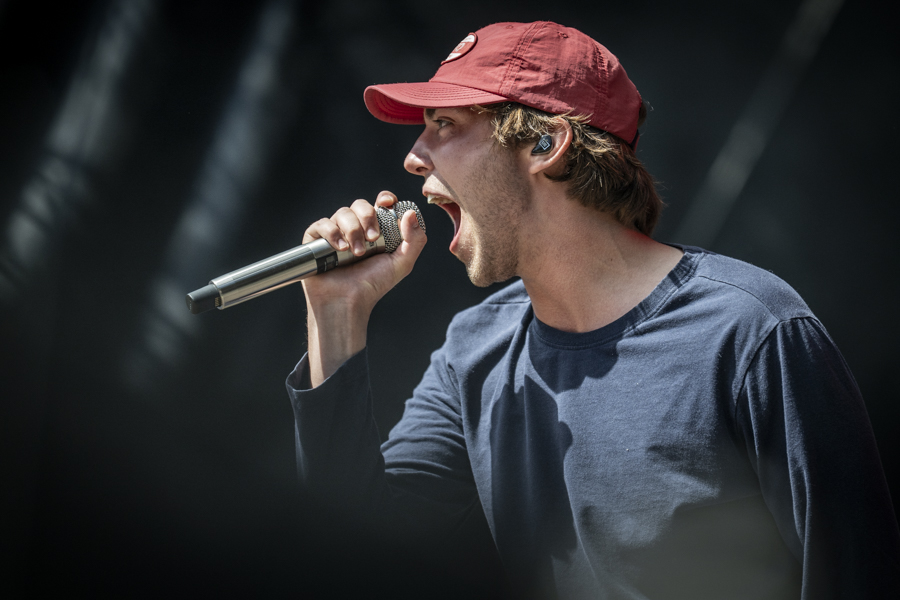
This year APHACA had moved up to the main stage. Since then, the band has gained more weight and the courage to experiment with long sound layers, although these do not always fit the songs perfectly and can sometimes feel detached.
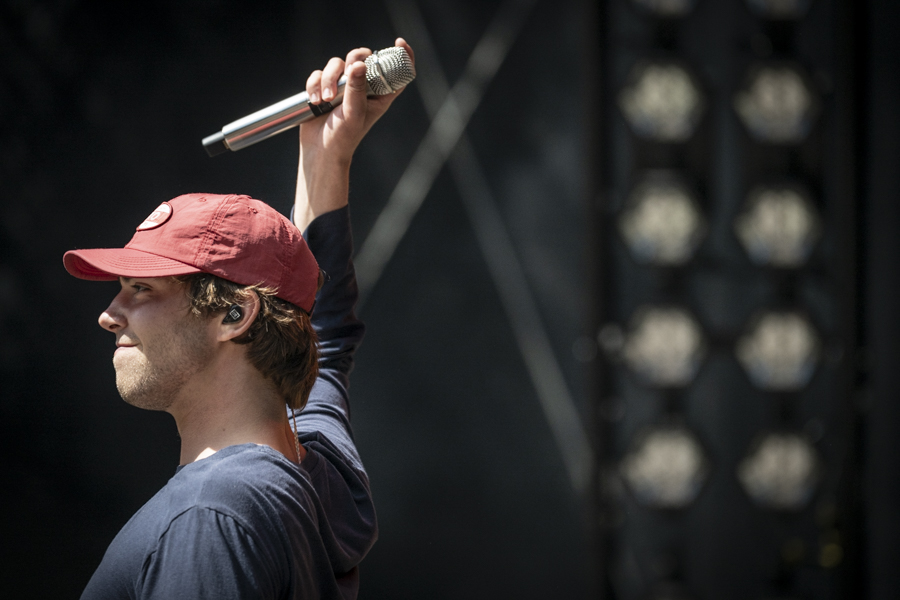
Their biggest hit with the strongest sing-along potential remains “En drøm om et menneske”, closely followed by “Smelter under månen”. Many of the other songs tend to pass by without really sticking; they are pleasant and easy to sing along to, but also quickly forgotten.
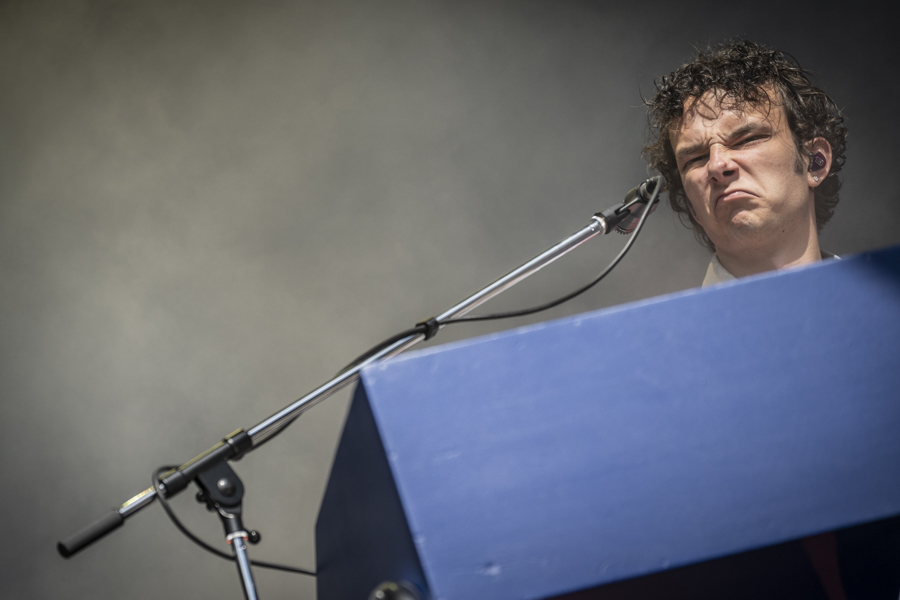
APHACA could benefit from slowing the tempo slightly, being more selective and giving the strongest songs more space, with more solos and stronger interaction with the audience. There is a sense that APHACA may have reached the front line a little too quickly. The best material works very well, but not everything convinces, especially not on Nibe’s biggest stage.
Photos: Martin Damgård, Hverdagsvinkler.dk