
Tim Hort – No Dissociation
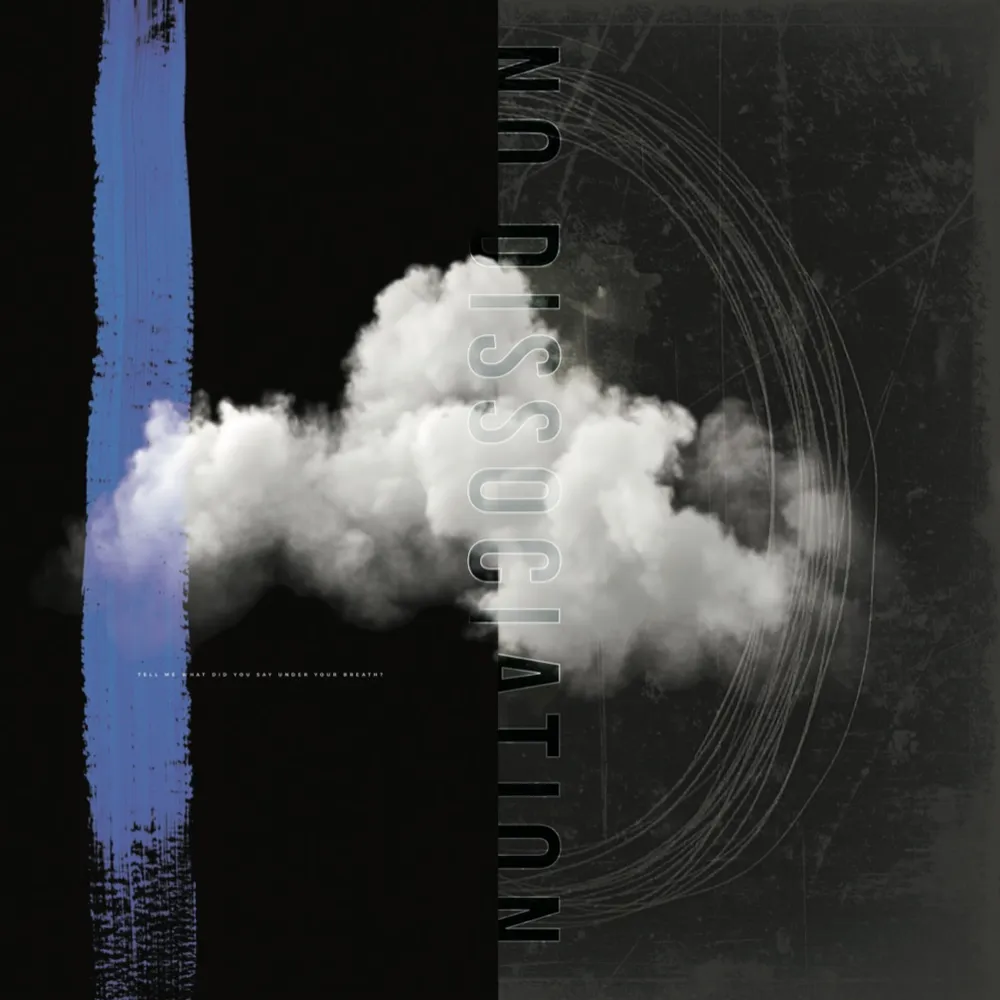
Tim Hort is not a name on everyone’s lips, but those familiar with his work know that this Chicago-based singer-songwriter has been charting his own course for years on the fringes of the American indie and alternative rock scene. Following earlier releases under the project name The Radio Hour and the introspective shoegaze album “Famine” from 2025, Hort now presents his most ambitious work to date: “No Dissociation”, a double vinyl featuring no fewer than 22 tracks. With airplay on more than 75 college radio stations and a national Top 100 chart placement to his name, this album arrives carrying a certain weight of expectation.
“No Dissociation” is written, produced, and largely performed by Hort himself, with support from producer Doug McBride, known for his work with Smashing Pumpkins and Rise Against, and contributions from the late Blaise Barton, former recording engineer for Bob Dylan and Liz Phair. That collaboration is audible. The production is organic yet considered, with a deliberate choice to leave space around Hort’s voice. Even when tracks lean toward alt-rock or shoegaze, the sonic logic remains controlled, often deliberately bare, keeping the emotional charge intact. Layered guitars, textured synthesisers, and a grooving bass frame his expressive, warm vocal presence without overwhelming it.
Stylistically, the album moves through a fascinating twilight zone: never fully alt-rock, never fully folk-psychedelia or neo-punk, but always something in between. Listeners familiar with Talking Heads, R.E.M., or early David Bowie will recognise the kinship, though Hort’s voice as a songwriter remains distinctly his own.
The highlights are considerable. “Tuesday” opens with an almost industrial energy, carried by sharp guitar lines and a rhythmic urgency that grabs immediately. “Except For A Dead-On Girl” is sharp and dangerous in tone, full of unease and fragmented imagery that communicates more than elaborate prose ever could. “Heartbreaks And Slamming Doors” confirms Hort’s ability to combine emotional directness with an arrangement that breathes. “How Annandale Went Out” is one of the album’s strongest narrative pieces, a composition that takes its time and gains impact as a result. And “With The Rhythm Of A Catfight” may be the most intriguing track on the entire record: tenderness and menace alternate so effectively that it becomes impossible to determine whether it is a love song, a breakdown, or both at once.
The critical observation cannot be avoided: 22 tracks is ambitious, but also demanding. For listeners who need sharper variation in pace or tonal contrast, the album can feel overlong. The tonal saturation, however deliberate, requires patience. Not every track carries equal weight within the whole, and an edition of around fifteen songs would have gained in focus.
Yet that reservation is an observation rather than a reproach. “No Dissociation” is a dark, literate album that transforms alienation into atmosphere, and atmosphere into something close to grace. Hort does not build hit singles but worlds, and those willing to step inside will find a record that feels psychologically inhabited. For fans of thoughtful, eclectic indie rock, this is a release that deserves attention. (8/10) (Self-produced)


