
Sly Dunbar (Sly & Robbie) dead at 73
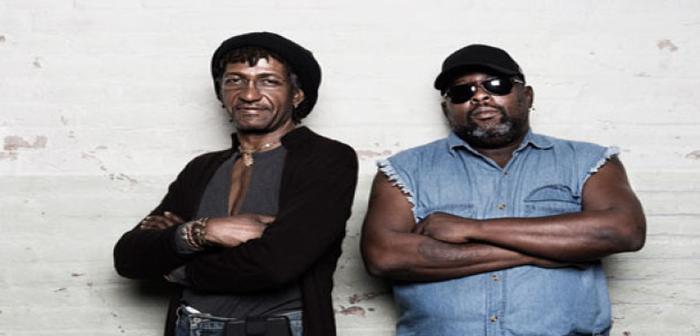
Lowell Fillmore “Sly” Dunbar, the legendary Jamaican drummer and co-founder of the production duo Sly and Robbie, died at his home this morning. His wife, Thelma, confirmed to The Jamaica Gleaner that he passed away around seven o’clock in the morning. Dunbar, who had been ill for some time, leaves behind a musical legacy that has fundamentally transformed reggae and popular music.
Born on May 10, 1952, in Kingston, Jamaica, Dunbar began drumming at fifteen in the local band The Yardbrooms. His first studio work appeared in 1969 on Dave and Ansell Collins’ album Double Barrel. The meeting with bassist Robbie Shakespeare in 1972 would prove decisive. Shakespeare recommended Dunbar as a session drummer for producer Bunny Lee’s Aggrovators, the beginning of a partnership that would rewrite music history.
As Sly and Robbie, they became one of the most sought-after rhythm sections in reggae. Their breakthrough came with Peter Tosh, for whom they played from 1976. For nearly a decad,e they formed the backbone of Tosh’s band and recorded five albums including Equal Rights and Bush Doctor. In 1978, they opened for The Rolling Stones with Tosh at JFK Stadium in Philadelphia before 110,000 spectators.
In 1980, Dunbar and Shakespeare founded Taxi Records, which became a platform for artists like Black Uhuru, Chaka Demus and Pliers, Ini Kamoze, Beenie Man and Red Dragon. The label debuted with Black Uhuru’s Observe Life and scored hits with Gregory Isaacs’ Soon Forward.
Dunbar’s drumwork on the Mighty Diamonds’ Right Time was so distinctive that listeners initially thought it was a sound effect. His double stroke on the rim of the drum became a signature sound that countless drummers tried to imitate. The Independent described the album as revolutionary, with Dunbar’s radical drumwork answering the rebellious lyrics beat for beat.
The influence of Sly and Robbie reached far beyond Jamaica. They played on Bob Dylan’s albums Infidels and Empire Burlesque, collaborated with Grace Jones on three albums, and contributed to work by Herbie Hancock, Joe Cocker, Serge Gainsbourg and The Rolling Stones. Brian Eno noted in 1979 that there was a ninety per cent chance that Sly Dunbar was the drummer on a reggae record, because his drum tracks were so interesting.
Dunbar’s work with producer Lee “Scratch” Perry produced iconic reggae tracks, including Junior Murvin’s Police and Thieves and Bob Marley’s Punky Reggae Party. He played for various house bands, including The Aggrovators, The Upsetters and The Revolutionaries.
His contributions were widely recognised. Dunbar was nominated for a Grammy Award thirteen times and won two: in 1985 for Black Uhuru’s Anthem, and in 1999 for the Sly and Robbie album Friends. The Jamaican government recognised his contributions with the Order of Distinction, while the Institute of Jamaica awarded him the Musgrave Gold Medal in 2015. In May 2025, Dunbar received a Lifetime Achievement Award from the University of Minnesota.
Dunbar’s experimental approach and electronic sounds laid the foundation for the emergence of ragga and the digital revolution in reggae. His mechanised beats were so innovative that they completely differed from what others were creating, while Shakespeare’s fluid bass added an organic feel to the sound.
The loss of Robbie Shakespeare in December 2021 was a heavy blow. The two had worked together for almost fifty years and were not only musical partners but also close friends. Shakespeare died at age 68 in Miami. After his death, Dunbar remained active in music, though the loss of his riddim twin was palpable in every performance.
Yesterday, Dunbar still had friends visiting, his wife Thelma said through tears. It was a good day; he ate well and enjoyed the company. She had not expected it to be so serious. With the death of Sly Dunbar, the world loses a rhythmic architect whose influence extends from the dancehalls of Kingston to studios worldwide. His drum tracks continue to resonate in countless recordings, and his legacy as one of reggae’s most essential figures remains undiminished. He was 73 years old.


Don't forget to follow our Spotify Playlist:
Related Posts
-
 David Bowie’s self-titled debut album to be released as picture disc
-
 Line-up Dour Festival Dub Corner complete
-
 Blondie, Icona Pop, Macklemore & Ryan Lewis, And Miley Cyrus To Perform In New York’s Times Square As The Country Counts Down To The New Year!
-
 Guthrie Ramsey’s 25 years of Black musicqology in, “Who Hears Here? On Black Music, Pasts and Present”