
Randy Rogers Band Brings Texas Country to the Round Rock Amphitheater
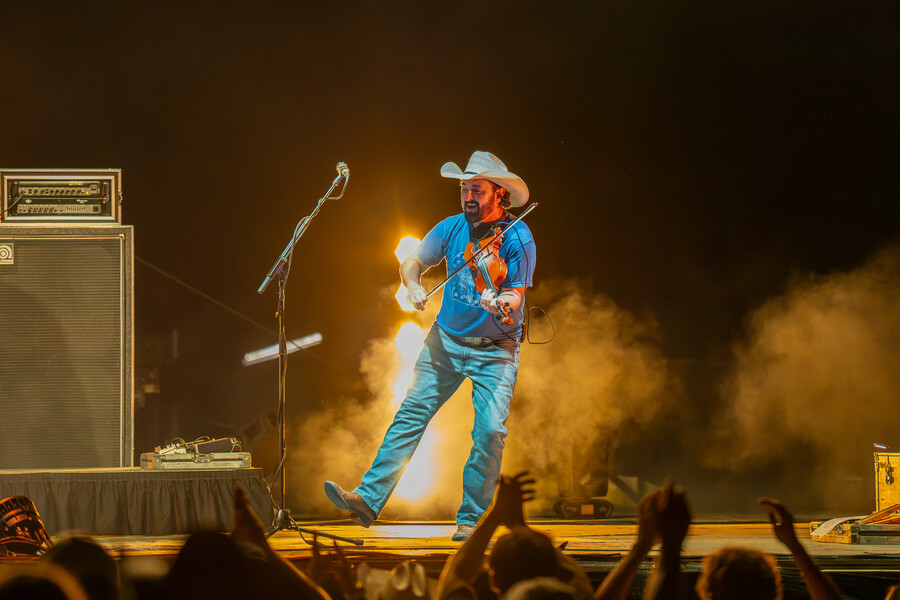
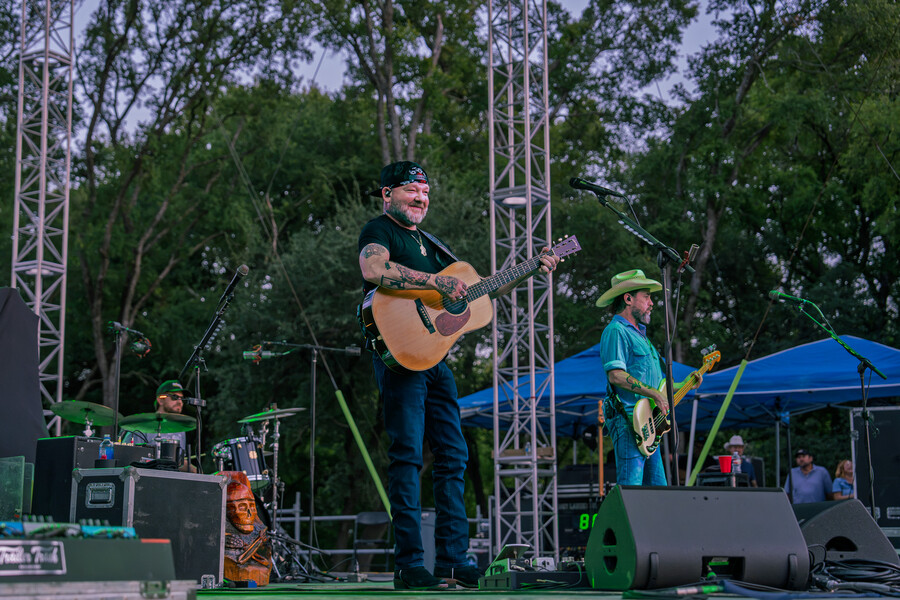
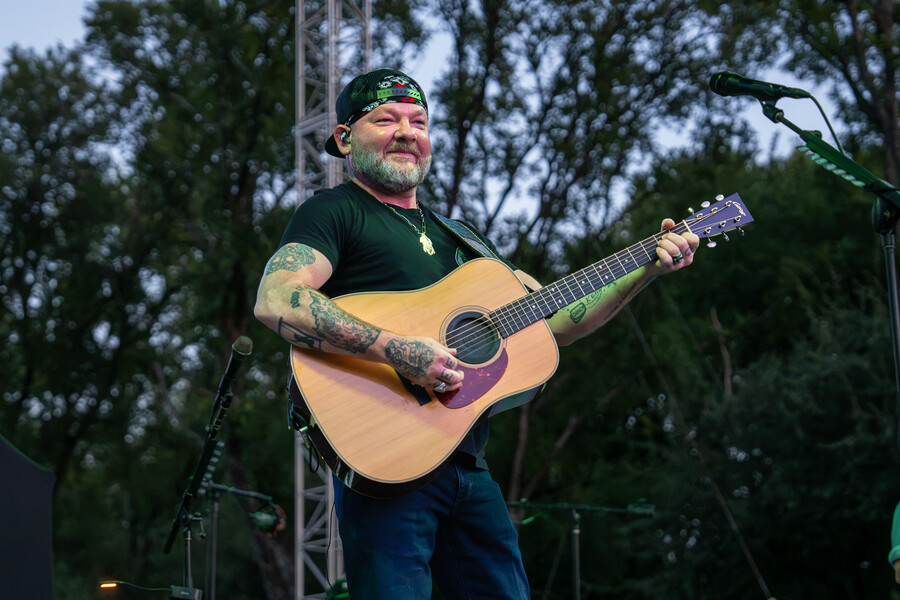
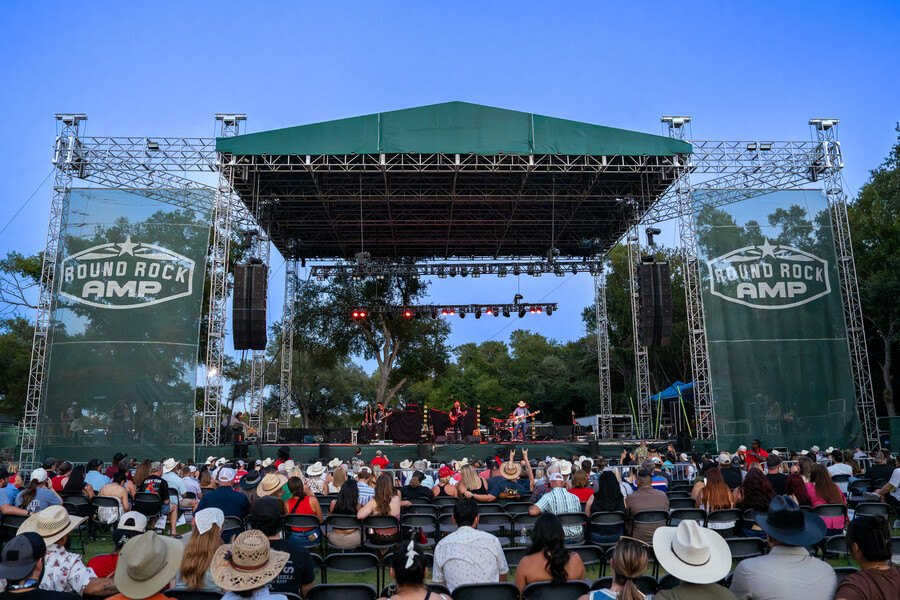
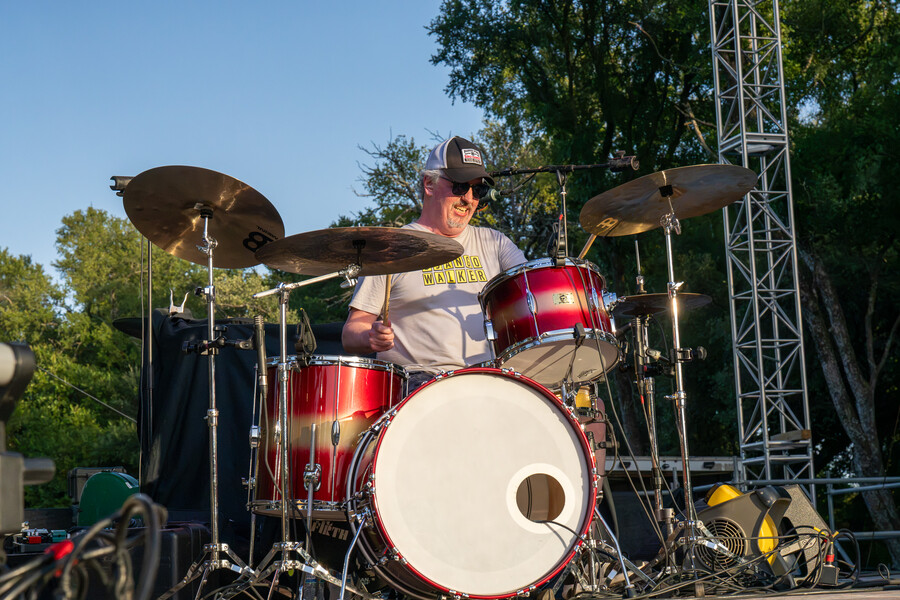
With Stoney LaRue and Django Walker opening the night, Randy Rogers Band returned to Round Rock Amphitheater for a bill that felt less like a conventional three-act concert and more like a gathering of familiar names from the Texas music circuit.
By the time Randy Rogers and his band took the stage, the crowd needed little introduction to what was coming next.
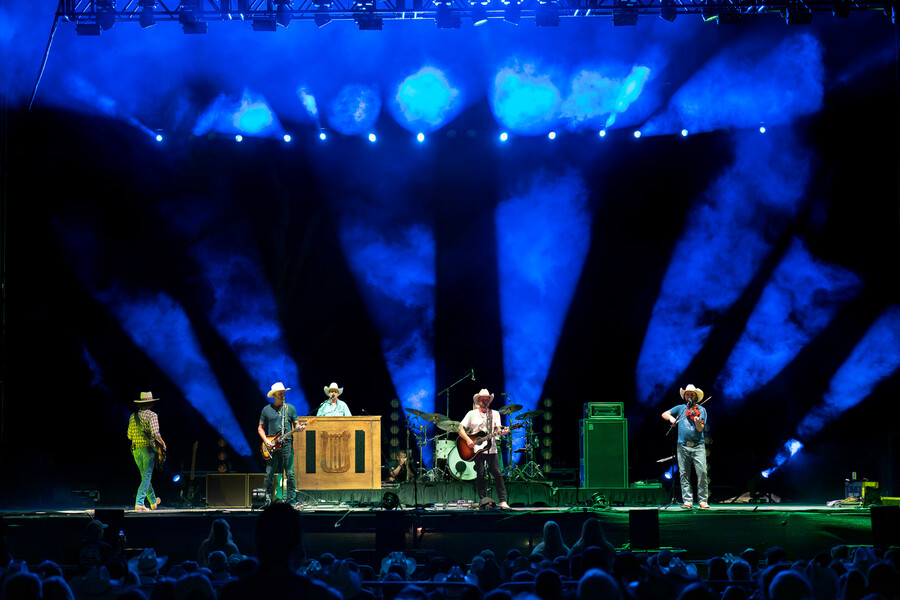
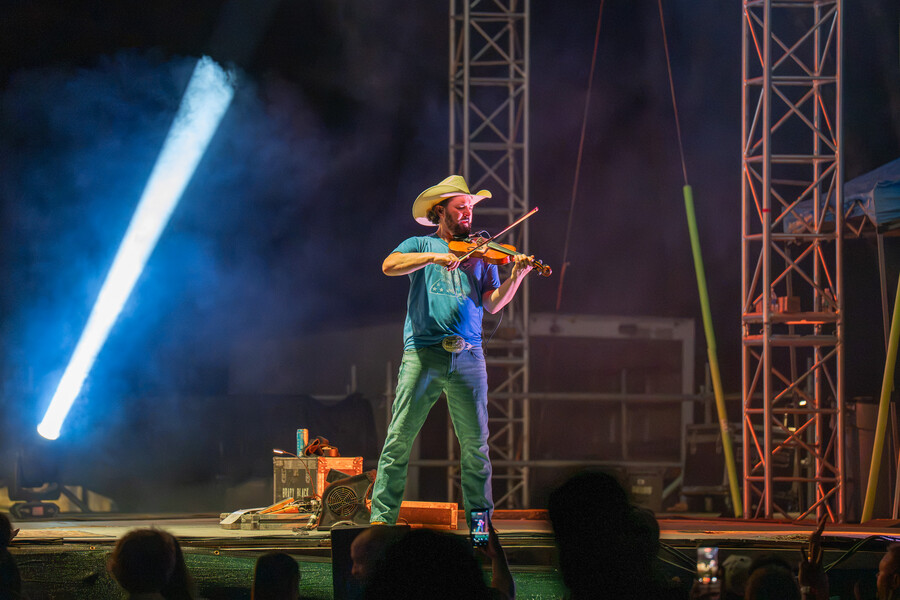
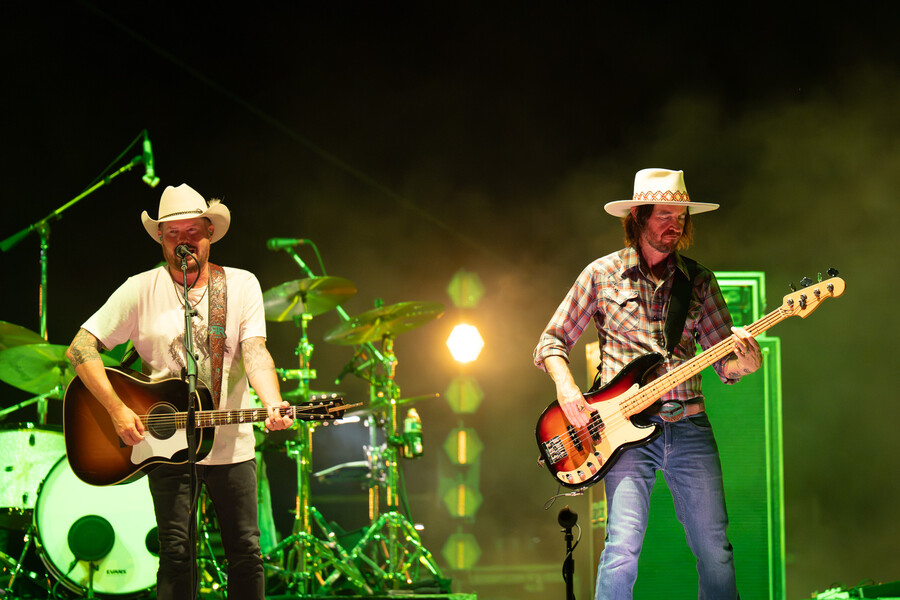
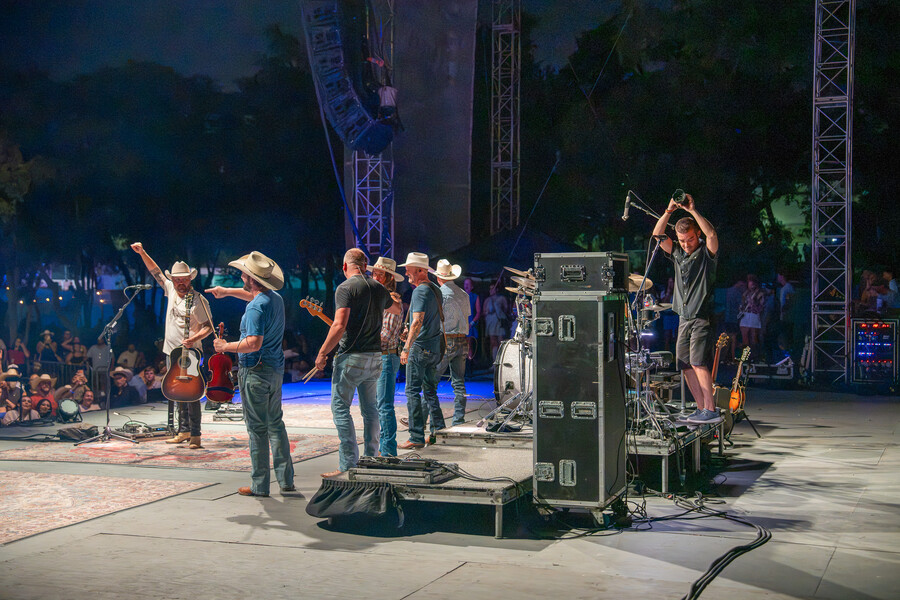
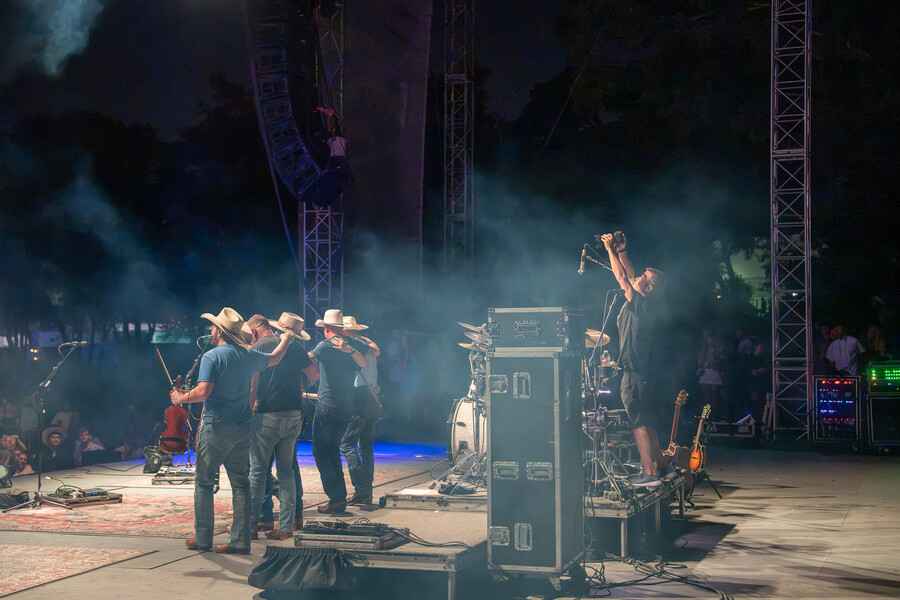
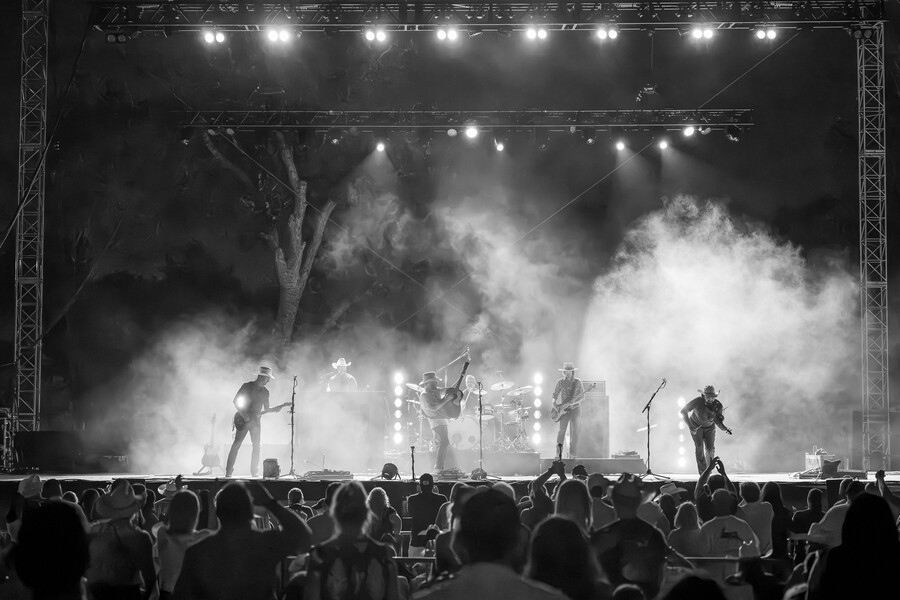
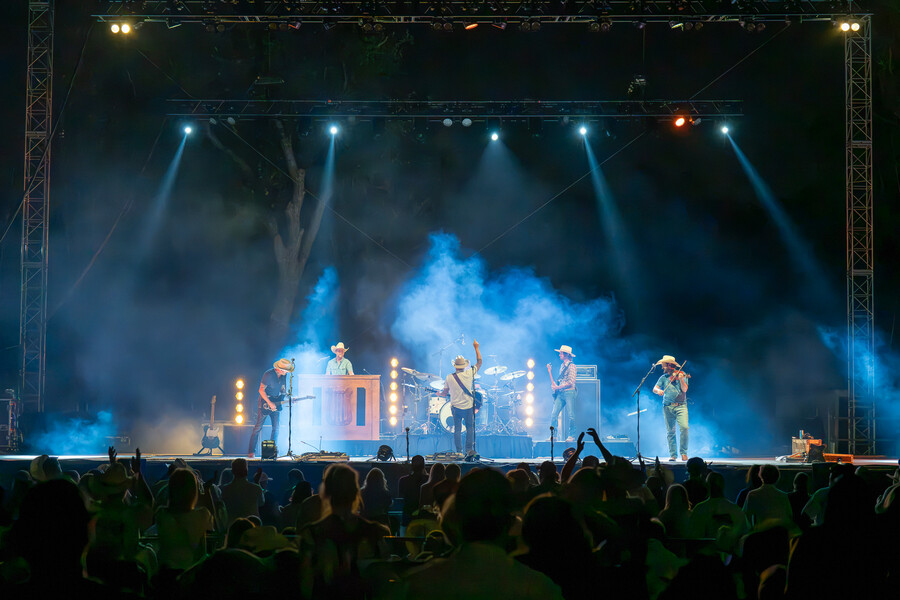
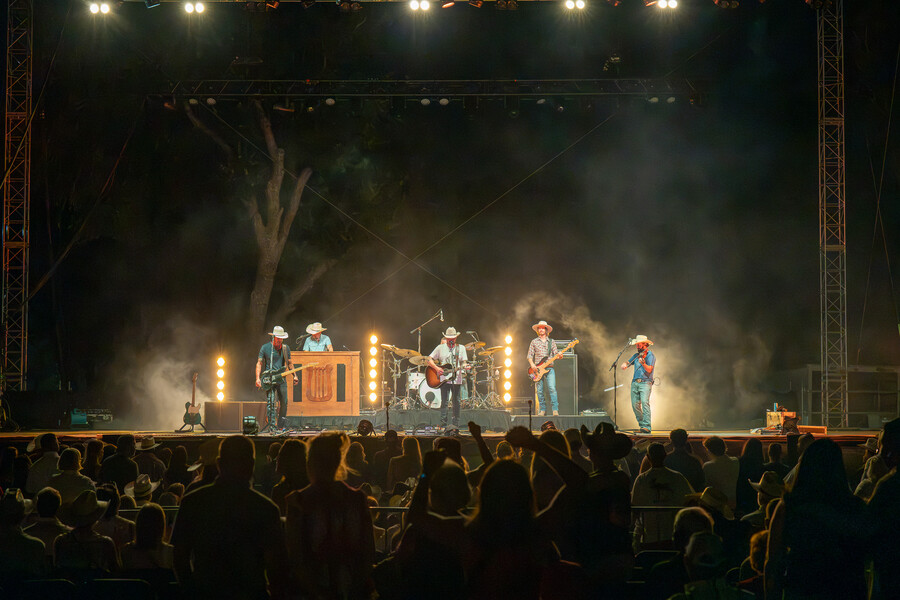
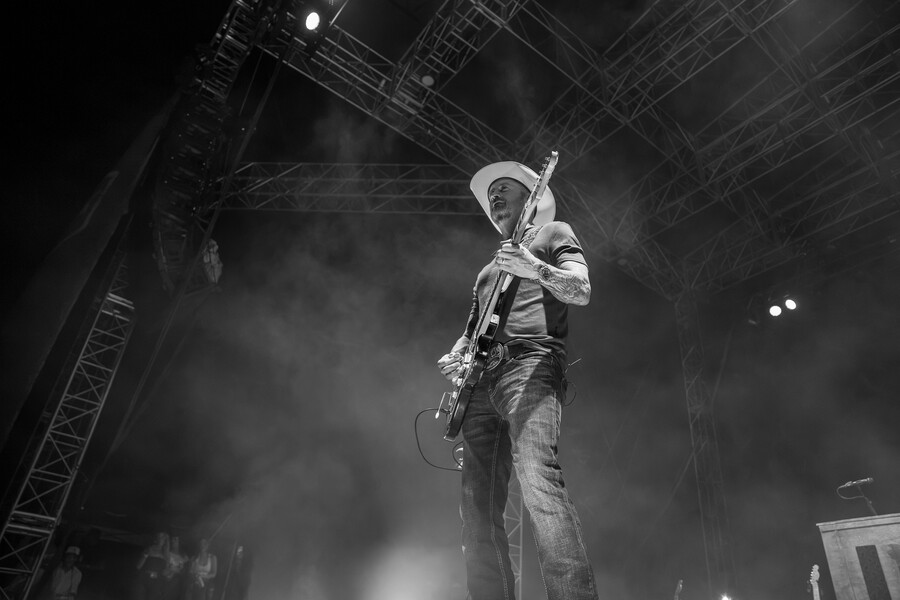
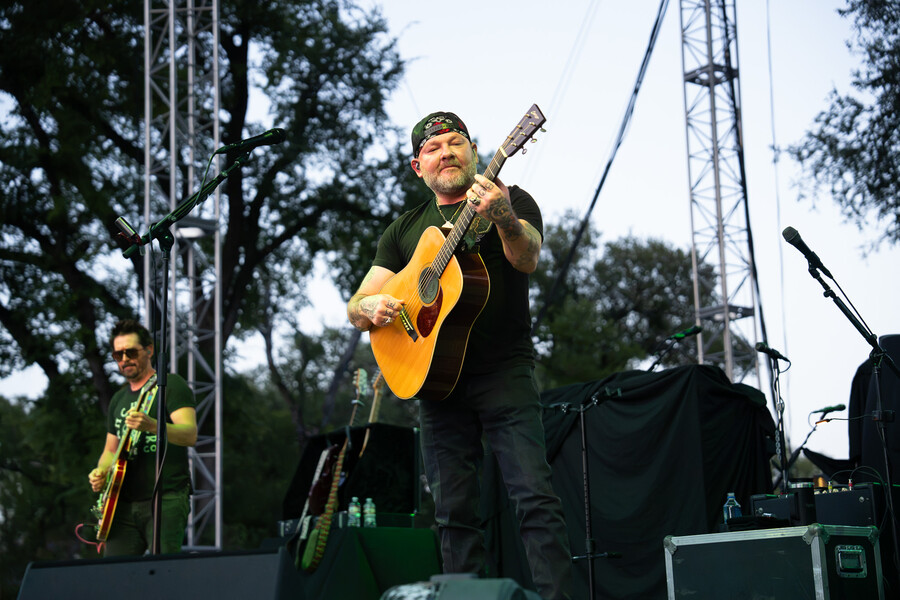
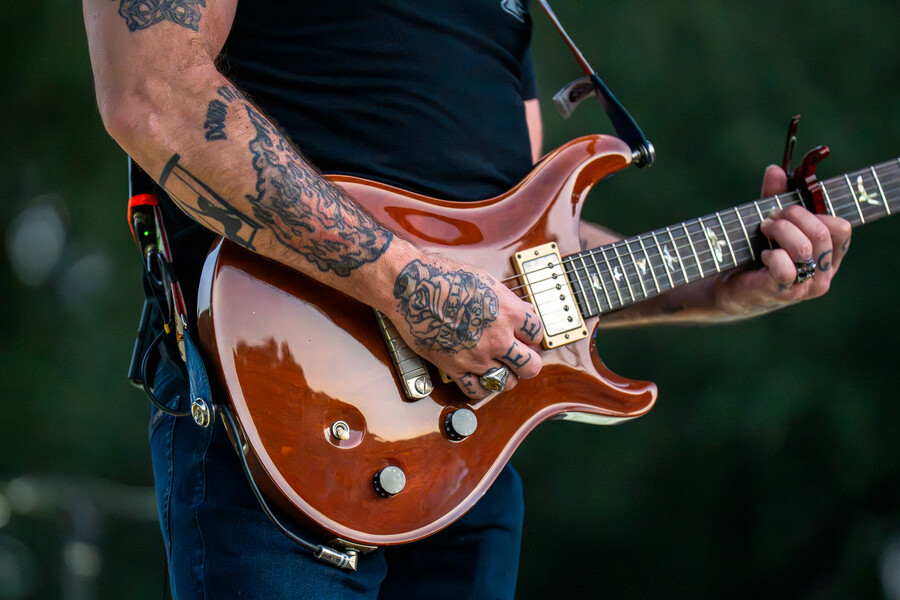
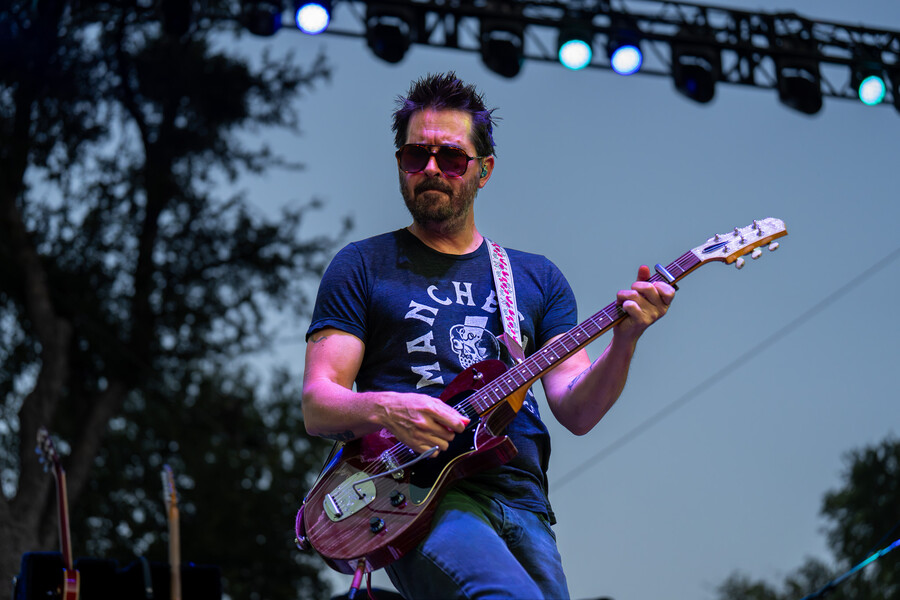
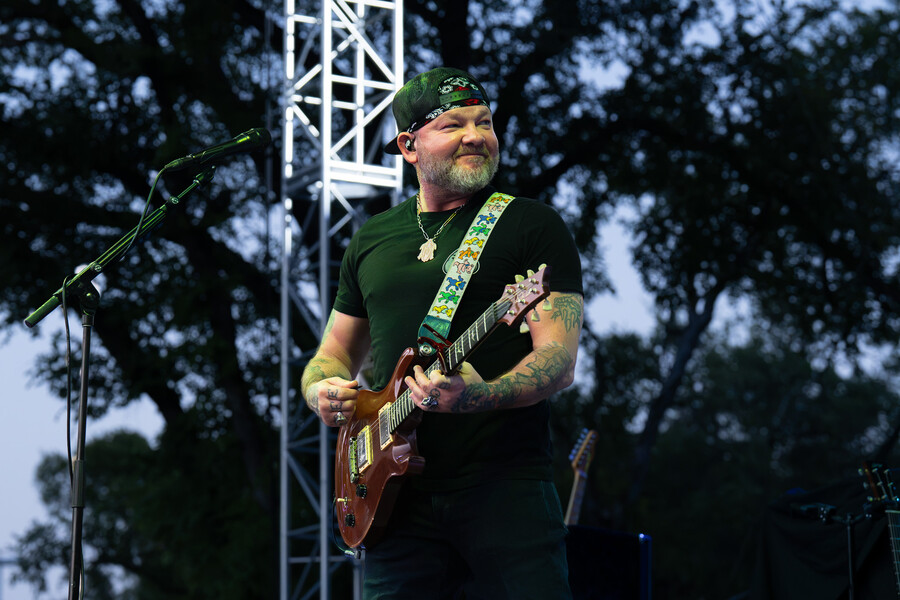
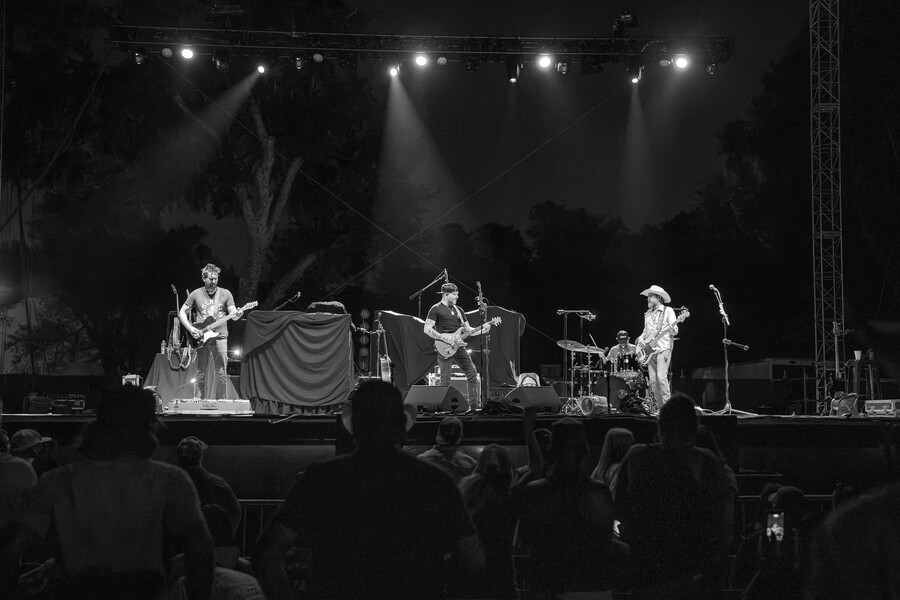
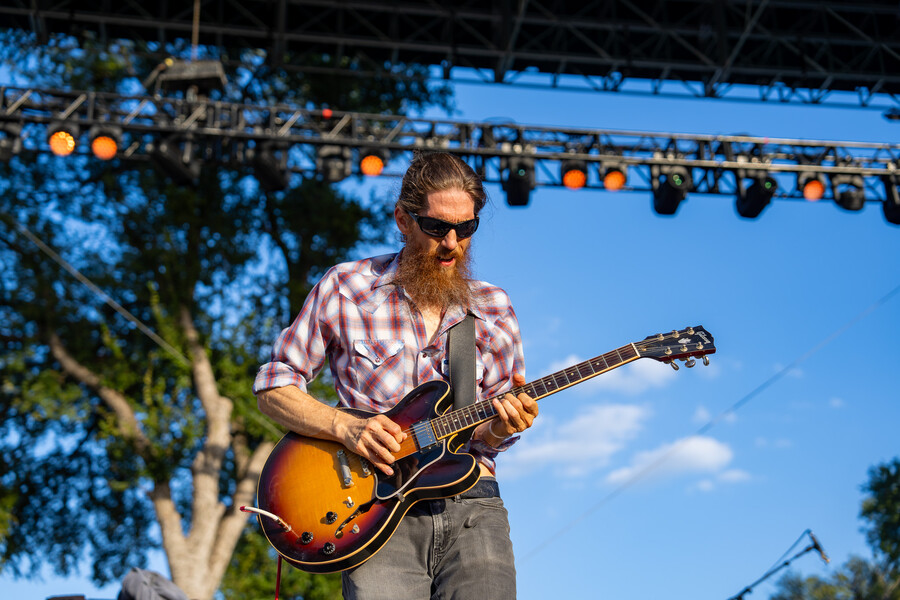
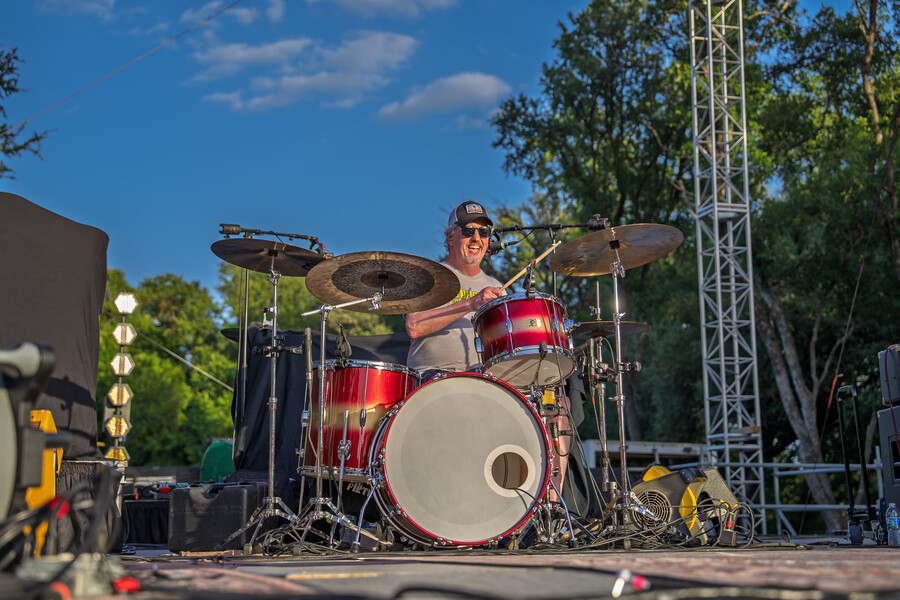
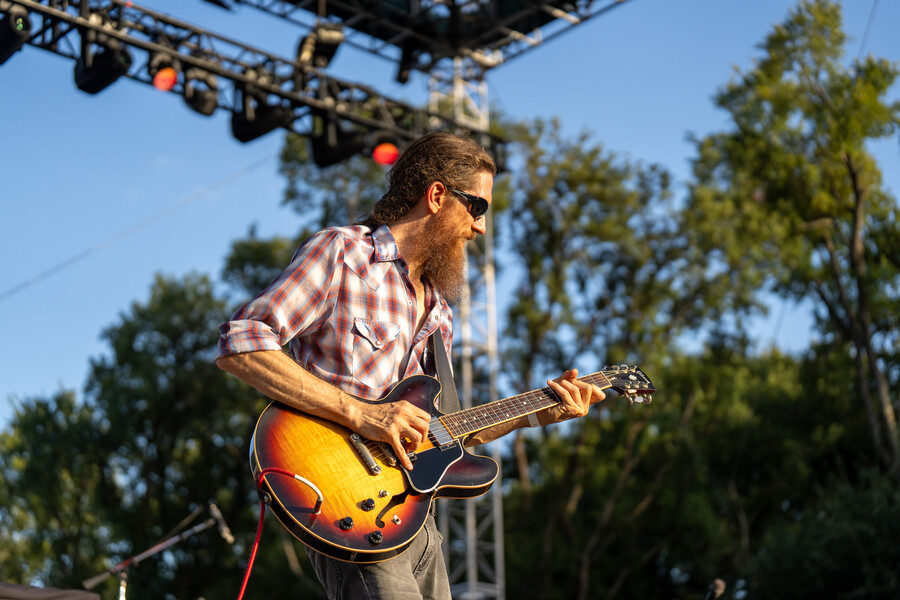
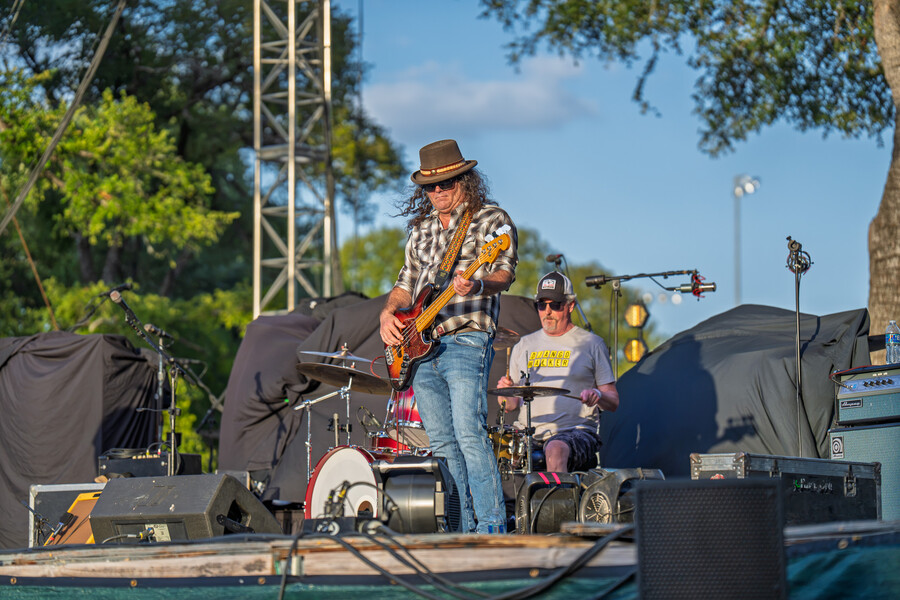
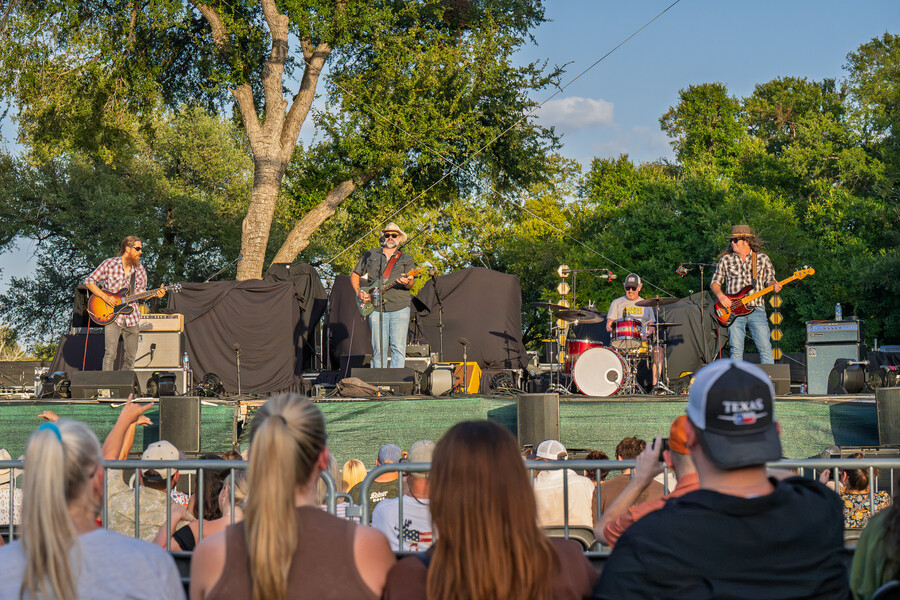
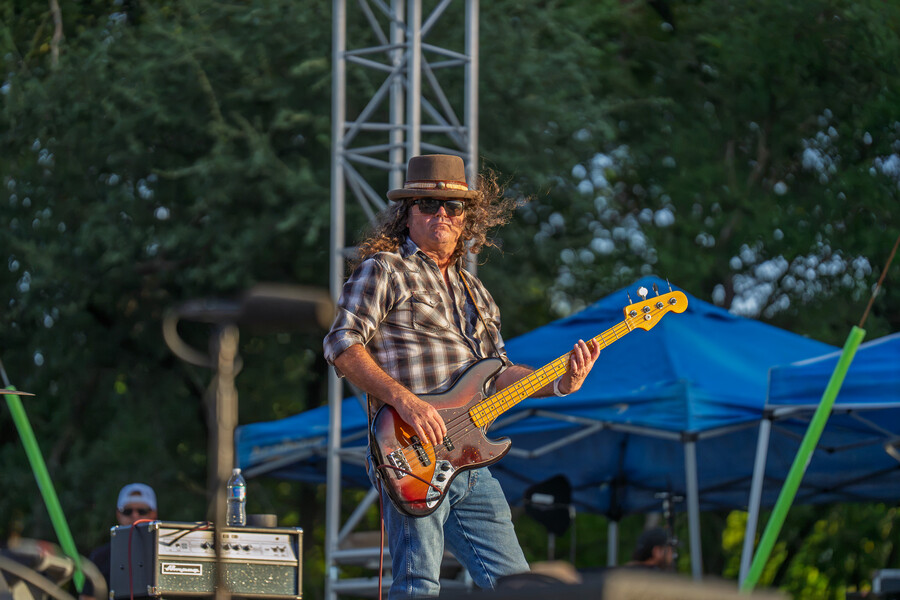
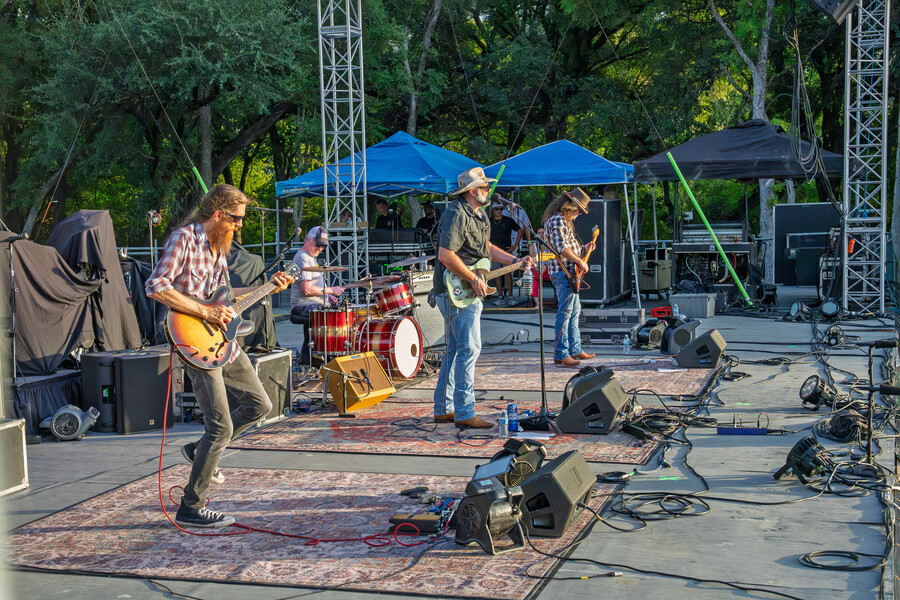
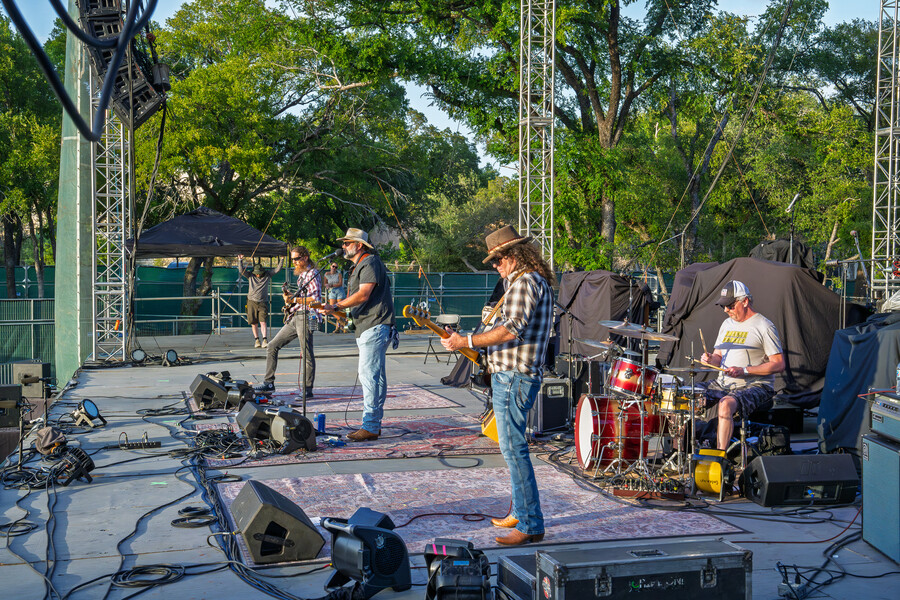
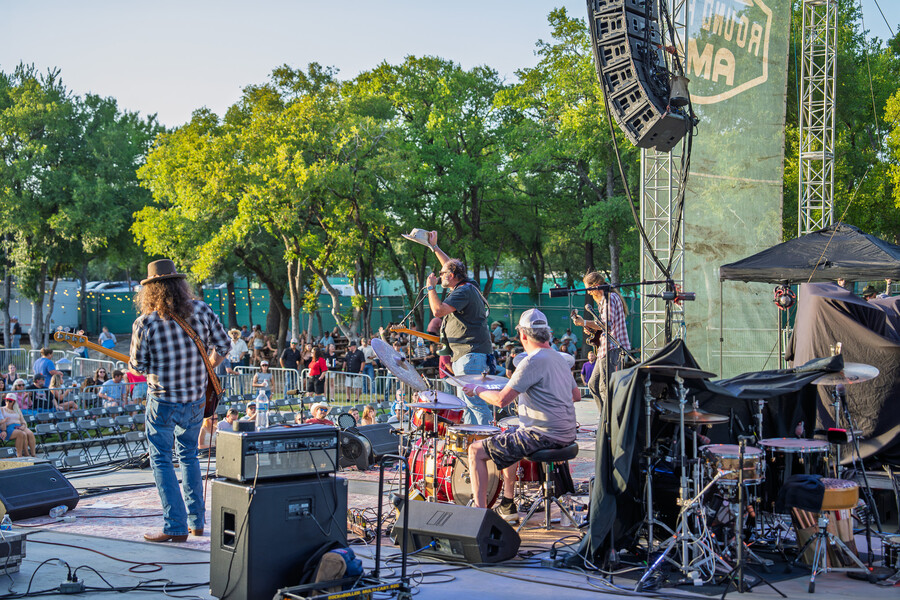
There was no oversized production trying to turn the night into something it wasn’t. The stage was wide, and filled by the band itself: guitars, drums, keyboards and Brady Black’s fiddle beneath a wash of blue and white light. Haze drifted through the beams overhead, occasionally swallowing the backline before clearing again.
That simplicity fits Randy Rogers Band.
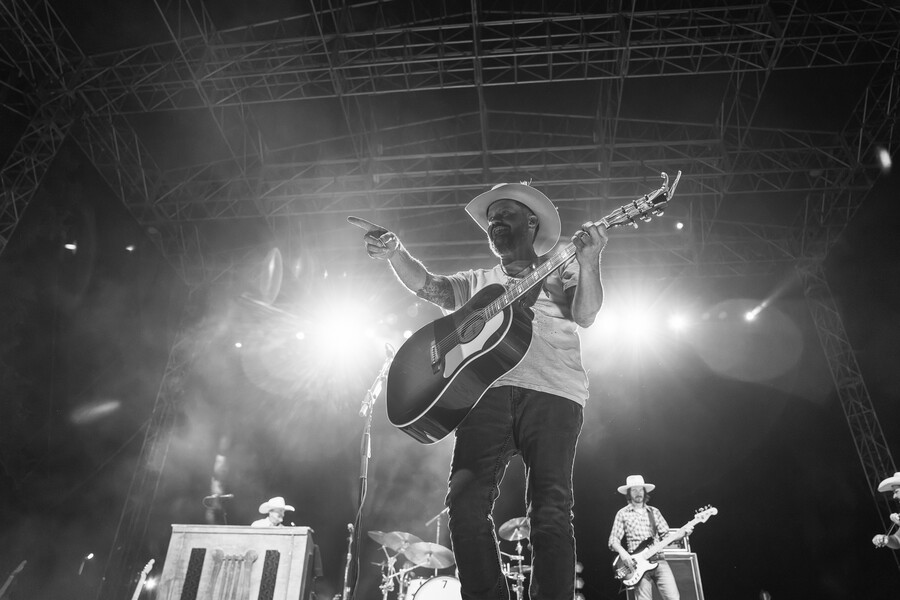
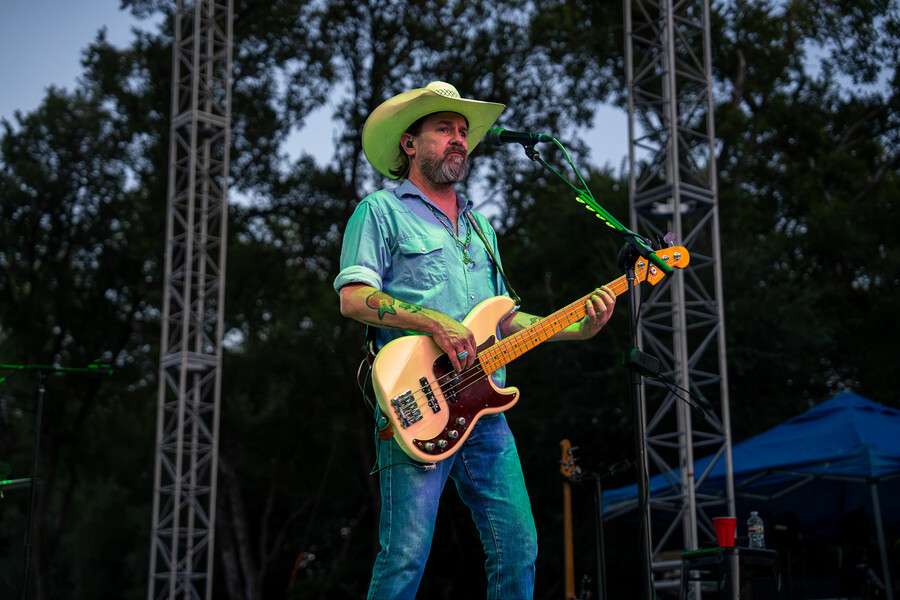
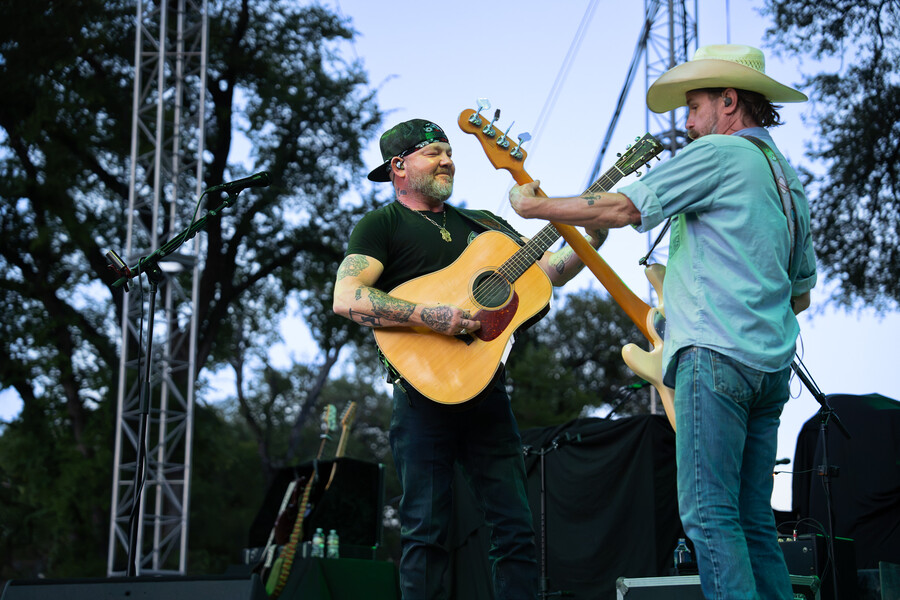
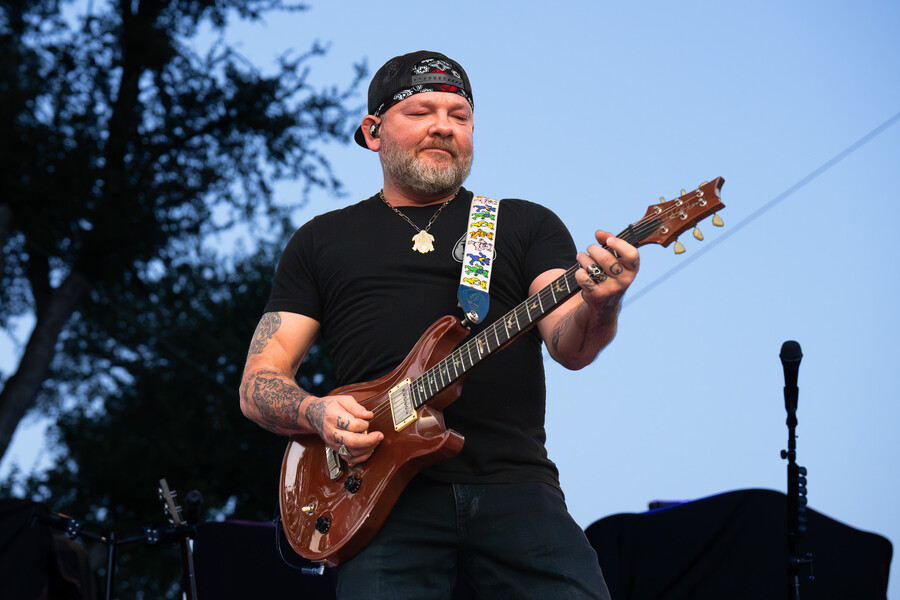
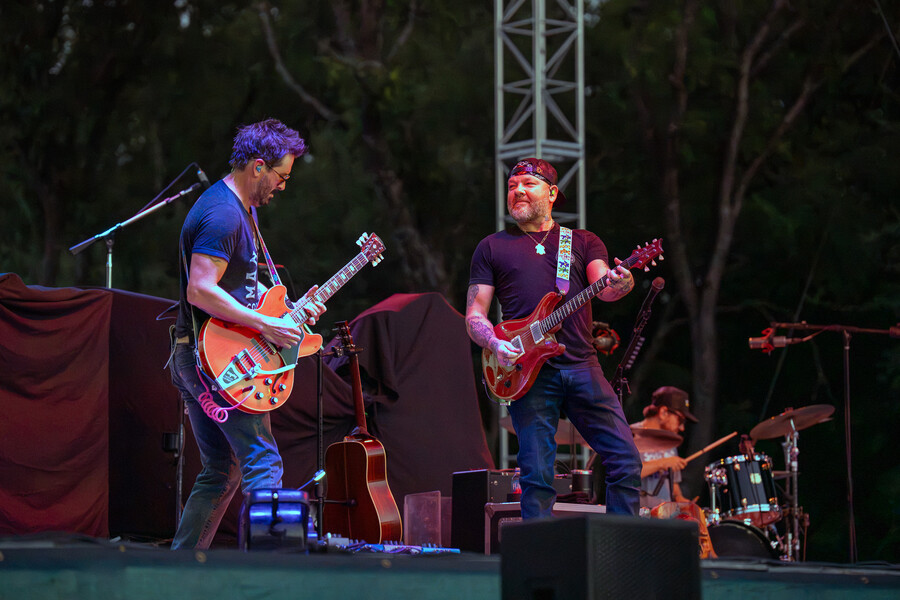
Randy Rogers may be the obvious center, but this has never felt like a solo artist backed by interchangeable musicians. More than two decades on the road together has created the kind of chemistry that few can master. The musicians watch one another, leave room for each other and rarely seem interested in forcing themselves into the spotlight.
Brady Black’s fiddle remains one of the band’s legendary defining sounds. In a genre where fiddle can easily become decoration, his mastery is built into the structure of the music. It cuts through the guitars, adds weight to the slower moments and gives the band an unmistakable Texas identity.
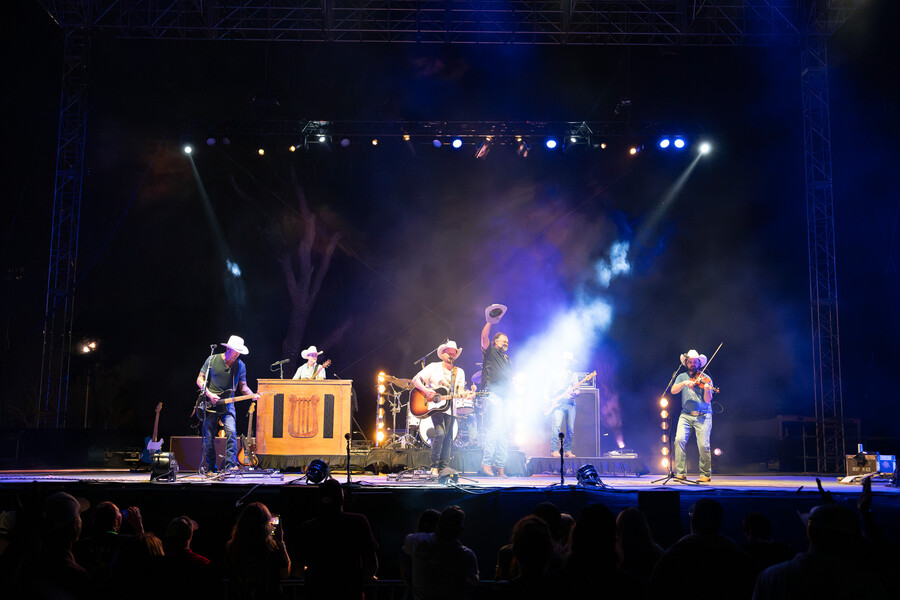
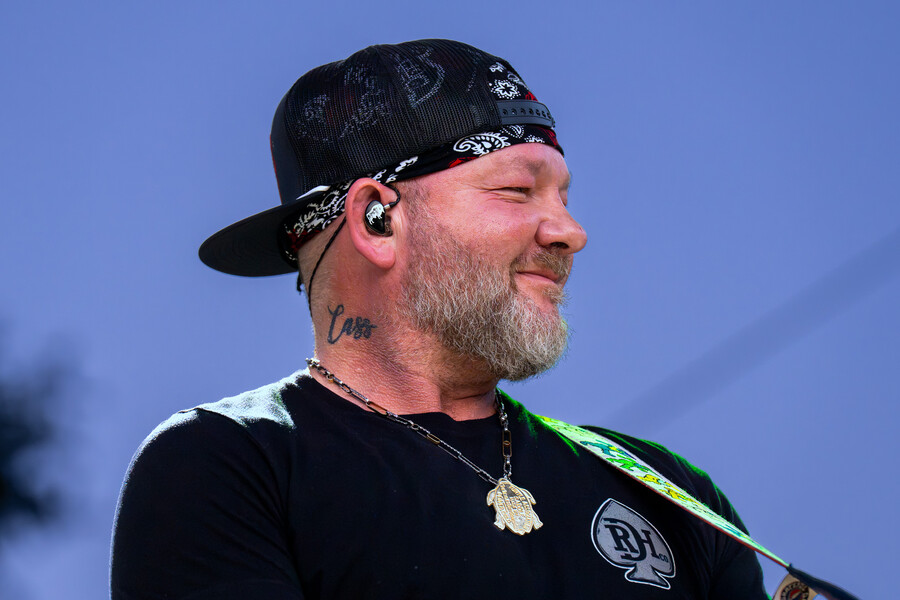
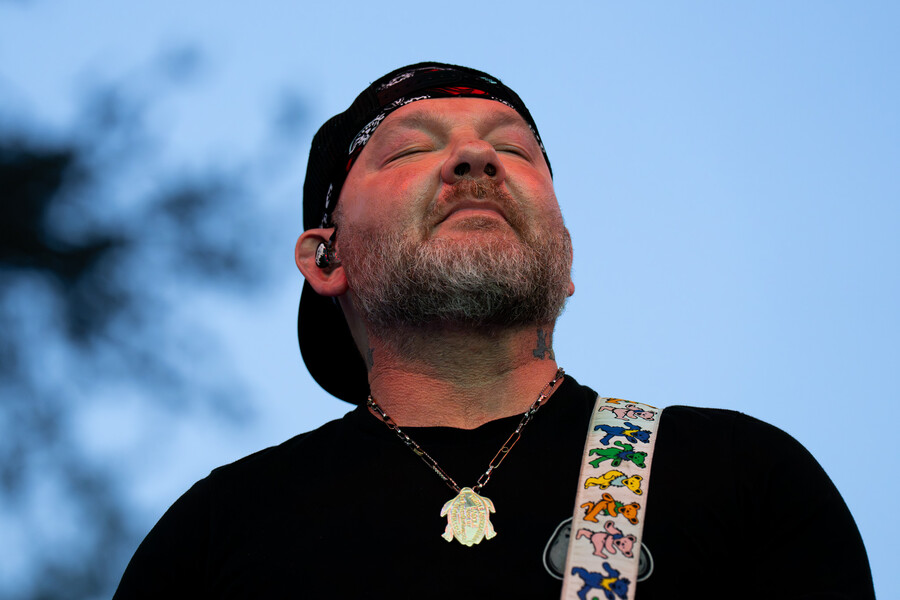
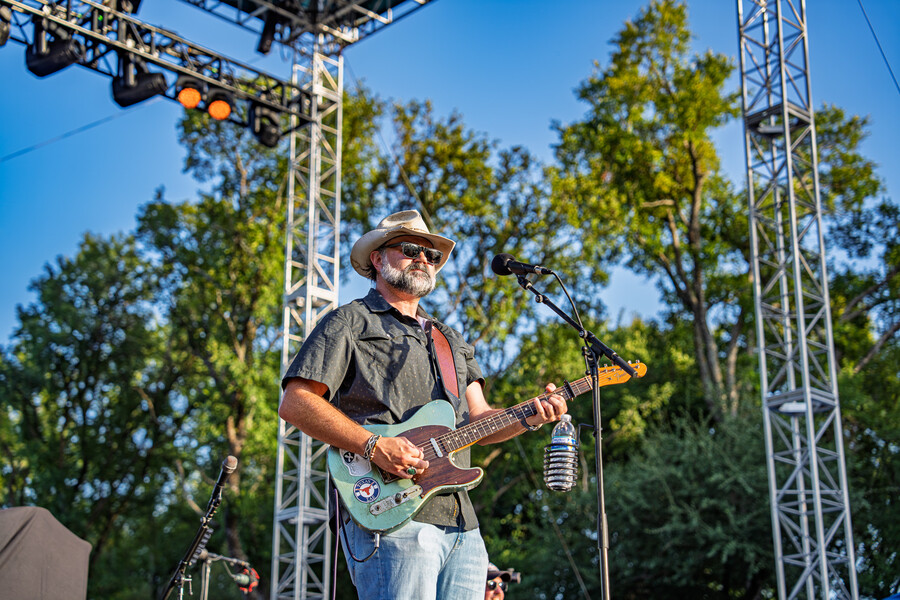
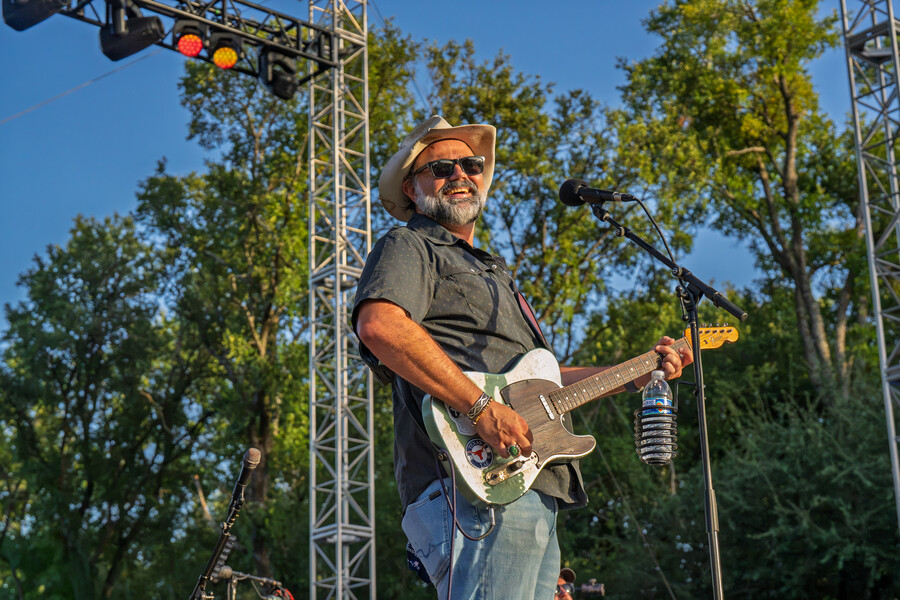
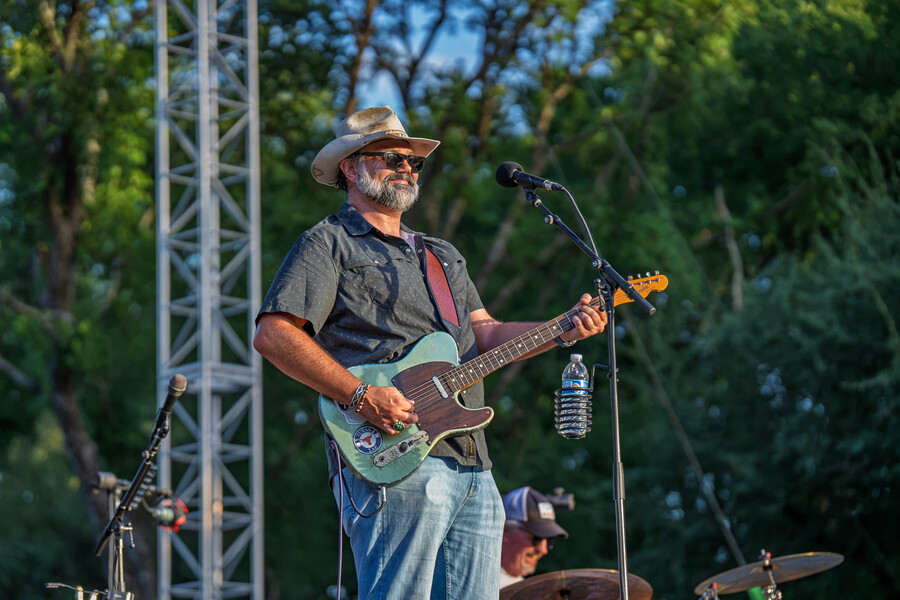
Randy himself has settled comfortably into the role of veteran frontman. There is little choreography and even less unnecessary theater. He plays, sings, talks to the crowd when he needs to and lets the songs handle the rest.
That approach works especially well with a catalog that has now followed some fans for decades. Songs such as “Interstate,” “Lost and Found,” “Buy Myself a Chance,” “Kiss Me in the Dark,” “In My Arms Instead” and “This Time Around” have become more than recognizable tracks in a setlist. They are songs people have carried through relationships, breakups, long drives and different stages of their lives.
The reaction to them doesn’t feel like simple nostalgia. It feels more personal than that.
Having Stoney LaRue and Django Walker on the same bill only reinforced the sense of history surrounding the night. All three acts came through a Texas music scene that built its own audience through clubs, dance halls, festivals and relentless touring, often with little concern for what Nashville happened to be chasing at the time.
In that sense, the show never felt like a celebration of an earlier era of Texas country. It was proof that the scene never disappeared.
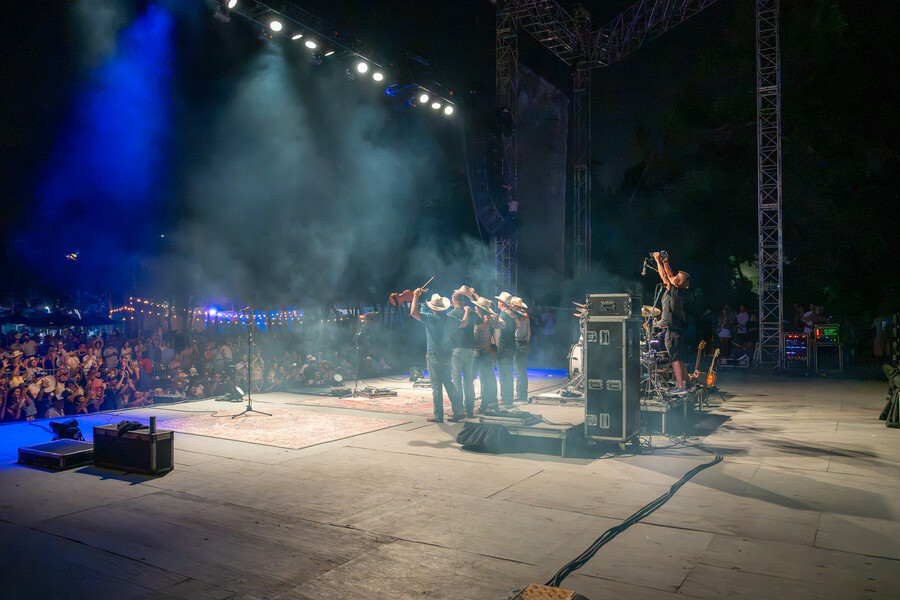
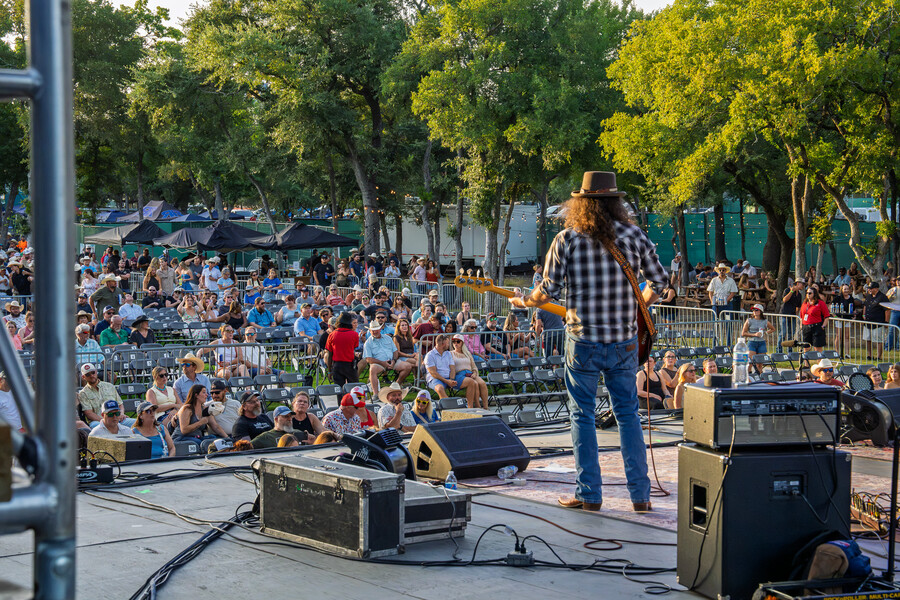
As the night moved toward its final stretch, the blue stage lights grew brighter through the haze while the crowd in front became a field of silhouettes, raised phones, and cowboy hats. From the back of the amphitheater, it could have been a Randy Rogers Band show from five years ago or fifteen. That isn’t a criticism.
For a band that has survived changing radio formats, shifting trends and an industry permanently searching for its next new thing, consistency has become part of the appeal. Randy Rogers Band walked onto the stage in Round Rock without much left to prove and played like a group fully aware of it.
More than two decades into their career, they still look most at home under the lights in Texas.



Photos (c) Jordan Maloney


