
Kanye West – Bully
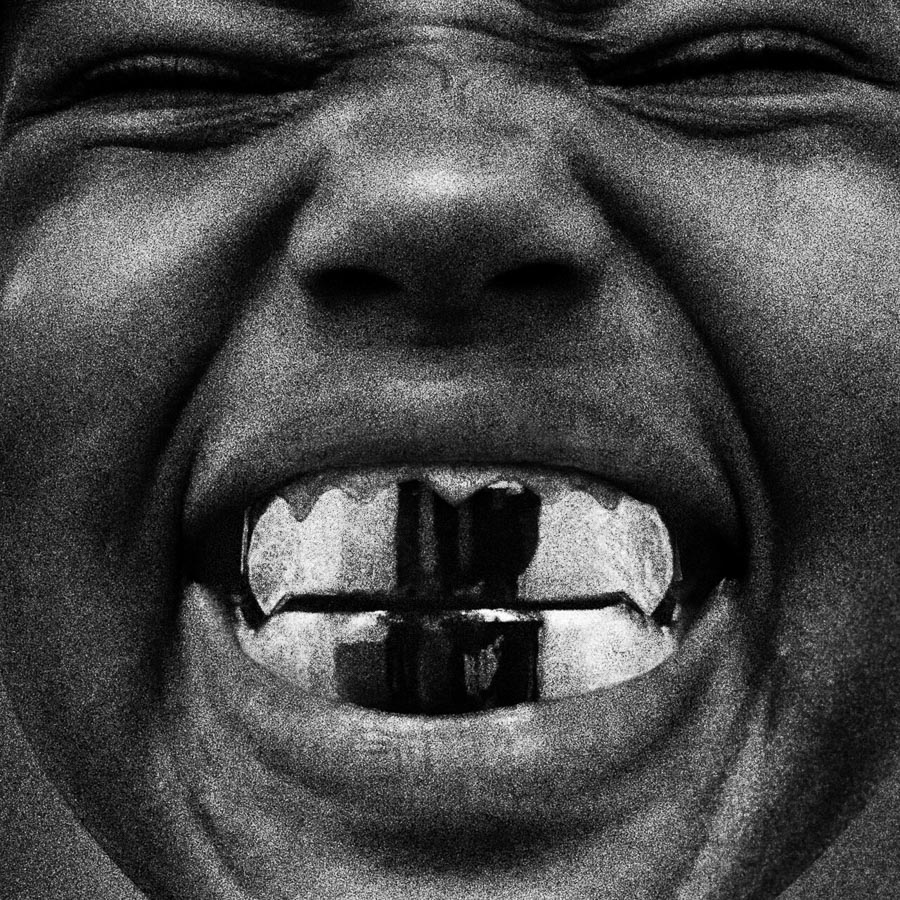
“Bully” is the twelfth studio album by American rapper and producer Kanye West, released on 28 March 2026 via YZY and Gamma. It is his first solo work since “Donda 2” in 2022 and arrives after eight postponed release dates, a public apology for antisemitic remarks in the Wall Street Journal, and a long-running controversy surrounding the use of AI-generated vocals. Eighteen tracks, 42 minutes. The big question: is this the comeback everyone has been waiting for?
Let us start with what works. The production on “Bully” is reminiscent of the period when Kanye West was regarded worldwide as an undisputed hitmaker. The soul samples are back, the crate-digging instincts are functioning again. On “I Can’t Wait”, The Supremes’ “You Can’t Hurry Love” is dissected and rebuilt with surgical precision into something that sounds like a ghost version of itself. “Preacher Man”, originally offered to Drake who turned it down, revolves around a sample from The Moments and combines religious symbolism with the bravado that characterises West at his strongest. And then there is “All the Love”, the undisputed highlight of the album, in which the talkbox of Andre Troutman (nephew of the legendary Roger Troutman) collides with the industrial chaos of “Yeezus”. Anyone who cherishes the chorus of “Stronger” as a personal anthem will find a worthy successor here.
That said, “Bully” is an album that promises more than it delivers. West sings more than he raps, and that singing sounds too often listless, buried beneath layers of Auto-Tune that deliberately blur the distinction between human and machine. The controversy surrounding AI vocals is not unfounded: although West promised that the streaming version would be free of artificial voices, “Preacher Man” in particular still sounds suspiciously synthetic. Fans who purchased the physical version, including vinyl, demonstrably received AI vocals. That is not an aesthetic choice. That is carelessness.
Thematically, “Bully” lacks direction. In early 2026, West wrote a candid full-page advertisement in the Wall Street Journal, in which he named his bipolar disorder, acknowledged his antisemitism, and thanked the people around him for their support. It was one of the most vulnerable public statements of his career. Yet on the album itself, scarcely any of that vulnerability is present. Instead, we are given vague references to serotonin, love, and God, without the autobiographical sharpness that made “My Beautiful Dark Twisted Fantasy” or even “808s & Heartbreak” into monuments.
The sequencing compounds the problem. After the promising opener “King”, which with its industrial production sounds like a “Yeezus” echo with Travis Scott as ally, follow tracks that shoot off in all directions without cohesion. “This a Must” and “Circles” barely last two minutes and sound like afterthoughts. The middle section from “Sisters and Brothers” to “White Lines” does touch on the theme of bullying and being bullied, but there too West remains on the surface.
A surprising highlight is “Last Breath” featuring Peso Pluma, on which West sings in Spanish for the first time. It is not perfect, but it at least demonstrates a willingness to take risks. And “Mama’s Favorite” touches on genuine emotion that is painfully absent elsewhere on the album.
“Bully” is not the low point of Kanye West’s discography. That distinction remains reserved for “Vultures 2” and “Donda 2”. It is a step forward compared to his recent output, but it is also an album that trades on the goodwill of the past without truly earning it. The production shows flashes of brilliance, the samples are at times breathtaking, but too many tracks coast on autopilot. As a first solo album in four years, “Bully” should have been the moment at which West proved that the artist is greater than the scandal. Instead, he delivers a record that sounds like a promising demo with a few standout moments and too much filler. Kanye West has better records in him. He has proved it. But “Bully” is not that record. (5/10) (YZY/Gamma)


