
Precious Pop Pearls: The Story Behind Murray Head – “One Night in Bangkok”
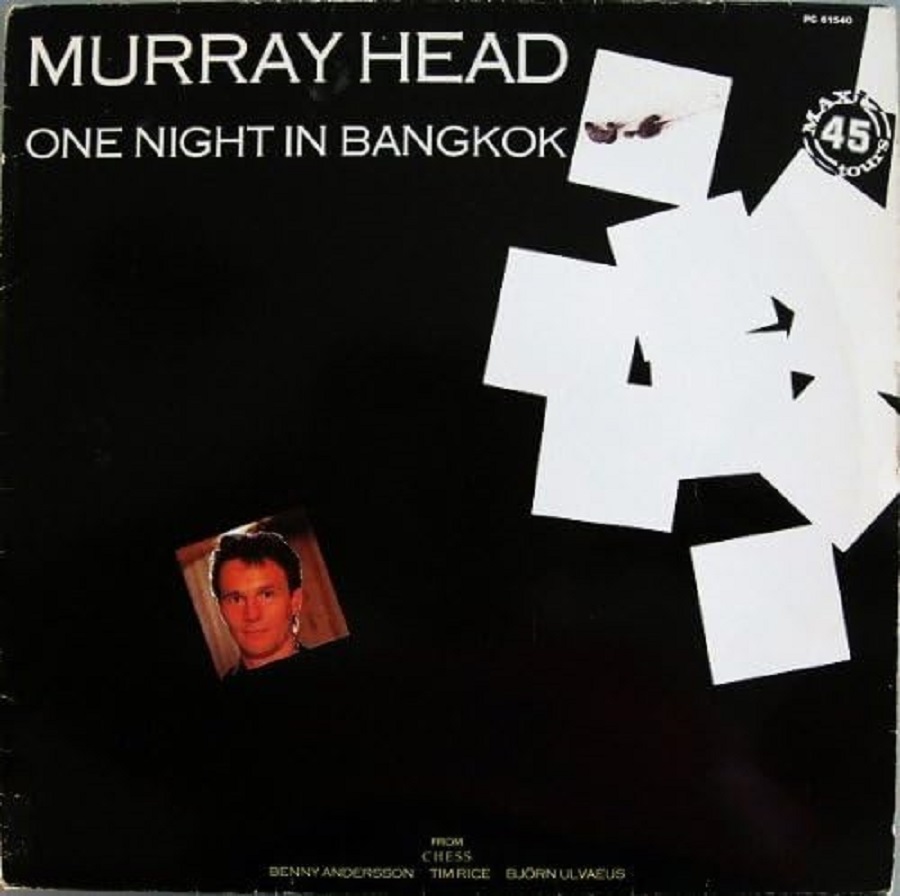
In the history of pop music, there are songs that at first glance seem unexpected or unusual, yet it is precisely for that reason that they leave a lasting impression. “One Night in Bangkok” by Murray Head is one such song. Released in 1984, it combined the theatrical world of musical theatre with the synthesiser sounds and rhythms of 1980s pop music. The spoken verses, the ironic observations and the melodic chorus created a combination that appealed to listeners worldwide. The song reached high positions in numerous charts and, decades later, remains instantly recognisable because of its unique style and cultural impact. It is a song that both amuses and intrigues, and that influenced the pop music of its time unexpectedly.
Murray Head
Murray Head was born in 1946 in London, into a family in which theatre and music played a central role. His father worked as an actor and director, and his mother was active in the theatre. Murray developed early as a performer and combined his talents in acting and music.
In addition to music, he appeared in film and theatre, with roles in productions such as “Sunday Bloody Sunday”. This experience gave him not only stage skills but also a sense of timing and theatrical presentation, qualities that would later prove essential for his performance of “One Night in Bangkok”. Murray Head stood out at a time when pop artists often operated strictly within a single genre. His combination of acting skills and musical ability made him a versatile performer and laid the foundation for his international breakthrough via the musical “Chess”.
One Night in Bangkok
“One Night in Bangkok” was written for the concept album of the musical “Chess”, a collaboration between Benny Andersson and Björn Ulvaeus of ABBA and lyricist Tim Rice. The story of “Chess” revolves around rival chess players from different countries, used as a metaphor for cultural and political tensions during the Cold War. The song places the listener in Bangkok, where the American chess grandmaster observes the city, resists temptations and at the same time concentrates on the game of chess.
What made the song unique was its structure. The verses are spoken in a rhythmic, almost rap-like style by Murray Head himself, while the chorus is sung melodically by Anders Glenmark. Synthpop elements and new wave influences provide a modern, energetic production. The song combines theatrical storytelling with commercial pop and was therefore an unusual but successful mix. The contrasts between spoken text, melody and rhythm made the song distinctive in an era in which pop music was often focused purely on singing and dance.
The style of “One Night in Bangkok” is a cross between pop, new wave and theatrical music. The intro uses a recognisable synthesiser melody and orchestral elements that evoke the atmosphere of Bangkok. The spoken verses contain sharp observations of the city, from nightlife to cultural details, while the chorus offers a universally accessible pop tune. This combination of spoken word and sung chorus gave the song its own identity and attracted listeners who were both pop fans and theatre lovers.
The theme of the song, an ironic and sometimes cynical view of an exotic city, sparked discussion. It contrasts an intellectual chess match with everyday life in Bangkok, creating a double layer: the listener experiences both the tension of the game and the lively atmosphere of the city. This theme, combined with a catchy production, made the song memorable and ensured worldwide recognition.
The success of “One Night in Bangkok” was unprecedented. The song reached number one in Australia, Germany, the Netherlands, Switzerland and Spain. In the United States and Canada it peaked at number three, while in the United Kingdom it reached twelfth place. The success of the song across multiple continents shows that, despite its theatrical origins, it resonated with a broad audience.
Compared with other pop hits from the same period, such as those by Madonna, Duran Duran or Eurythmics, “One Night in Bangkok” stood out because of its bold structure and narrative style. Where most hits relied entirely on vocals and dance rhythms, Murray Head brought a theatrical and lyrical dimension to pop music, which allowed the song to remain unique in the charts of the 1980s.
A*Teens
The song quickly inspired covers and variations. In 1985, the Canadian singer Robey released her own version, which also reached the American charts. Later, artists such as A*Teens and DJ Antoine recorded the song in new styles, bringing it to the attention of younger generations. Even in the film world, the song was picked up; a parodic version is used in “The Hangover Part II”.
These reinterpretations show how flexible the song is and how it has been able to adapt to new genres and eras. It remains a reference point for the way pop music can integrate theatrical elements without losing commercial success.
Chess
The concept album “Chess” was released in 1984 and served as the basis for later musical productions in the West End and on Broadway. The album combines pop, theatrical arrangements and political storytelling, and demonstrates the versatility of composers Andersson, Ulvaeus and Rice. In addition to “One Night in Bangkok”, the album contains songs such as “I Know Him So Well”, which also gained worldwide recognition and grew into one of the most memorable ballads of that period.
The album distinguished itself from regular pop albums through its narrative structure and the use of orchestral passages combined with synthesisers. Listeners were offered an experience that felt more like a theatrical show than a standard pop album. This innovative concept ensured that “Chess” left a lasting impression on the musical world and blurred the boundaries between musical theatre and pop music.
Say It Ain’t So, Joe
In addition to his best-known hit, Murray Head released several other songs that illustrate his versatility. In the 1970s, he broke through with songs such as “Say It Ain’t So, Joe”, a narrative and critical song that established his reputation as a singer-songwriter.
“Say It Ain’t So, Joe” is an example of his narrative style and socially conscious lyrics. Later albums such as “Between Us” and “Voices” show his ability to combine theatrical elements with folk, rock and pop. His career remained active after the 1980s, with performances, new recordings and collaborations that confirmed his musical versatility.
“One Night in Bangkok” showed that music from a musical context can achieve an international breakthrough as a pop hit. It inspired other artists and producers to integrate theatrical elements into their work and proved that narrative and ironic lyrics could be commercially successful. The song influenced the way musicals were presented on radio and television and contributed to the popularity of concept albums in pop music.
The combination of synthesisers, spoken word and a melodic chorus offered an example of genre-crossing creativity that was still relatively rare in the 1980s. The worldwide success of the song confirmed that pop music offers room for experimentation, as long as melody and rhythm remain appealing to the audience.
“One Night in Bangkok” is more than a hit from the 1980s; it is an example of how pop music and musical theatre can reinforce each other and reach a global audience. The song combines theatrical storytelling with synthpop and an infectious chorus and remains relevant decades after its release. It shows that creative daring, combined with musical skill, can have a lasting impact. As a cultural and musical gem, “One Night in Bangkok” continues to fascinate, inspire and be rediscovered by listeners, and confirms Murray Head’s place as a versatile artist who knows how to push boundaries.


