Veterans, blood and brutal breakdowns dominate the second day at Copenhell
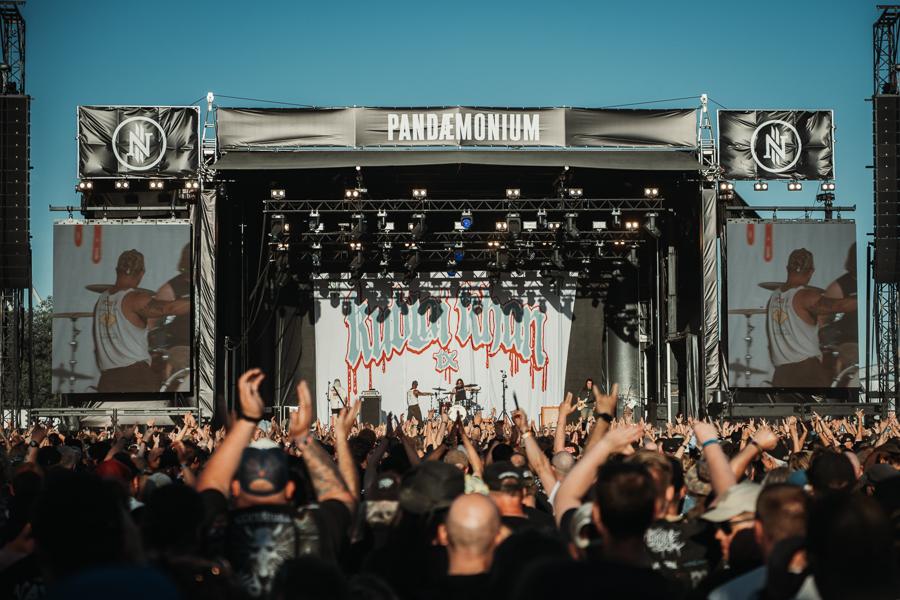
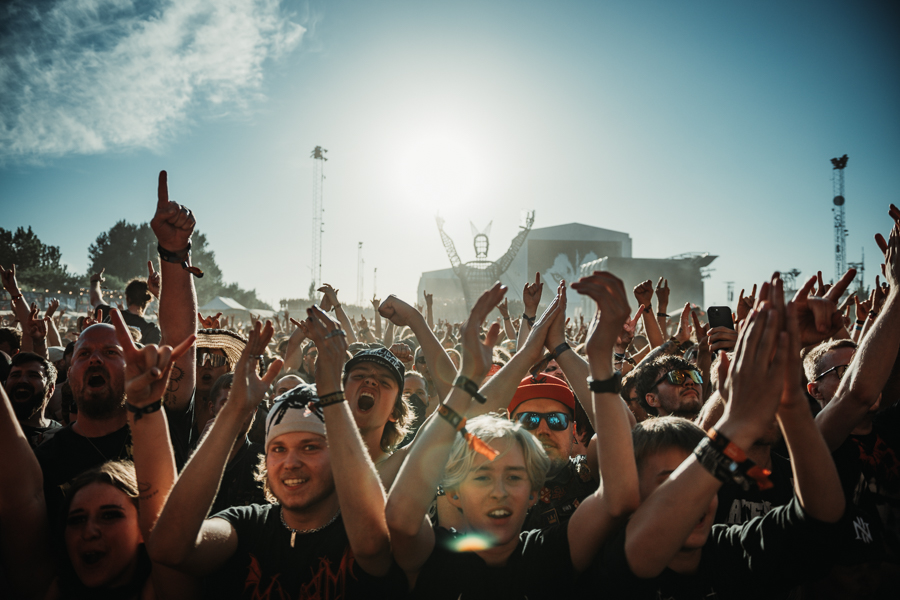
The festival grounds are truly buzzing now that the next chapter has begun. Where the opening day showcased the many facets of the underground, today’s programme has featured almost exclusively both new and established heavyweights, seriously testing the foundations of Refshaleøen. We have moved through a series of concerts that have spanned everything from nostalgic rap-rock and cinematic horror theatre to thunderous Southern riffs and raw, primitive beatdowns.
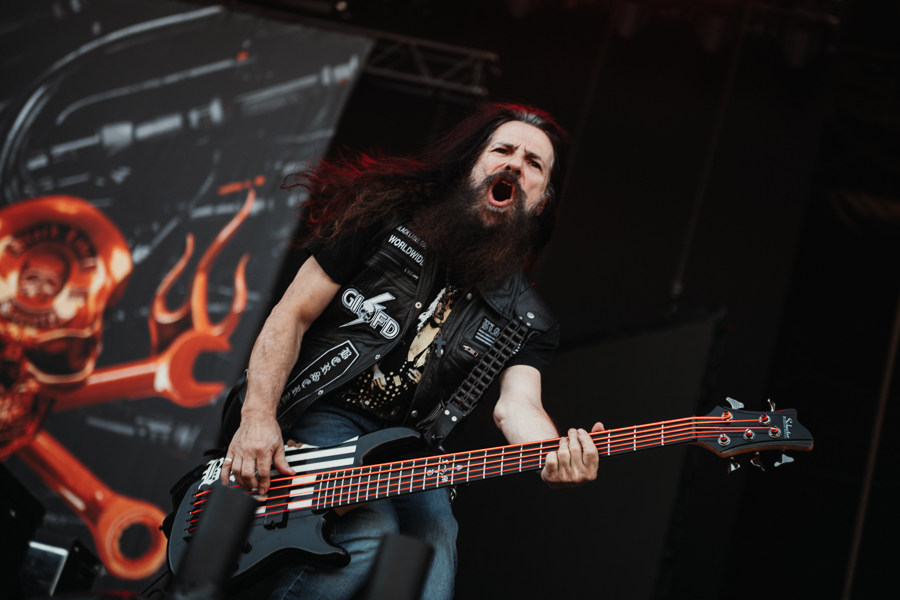
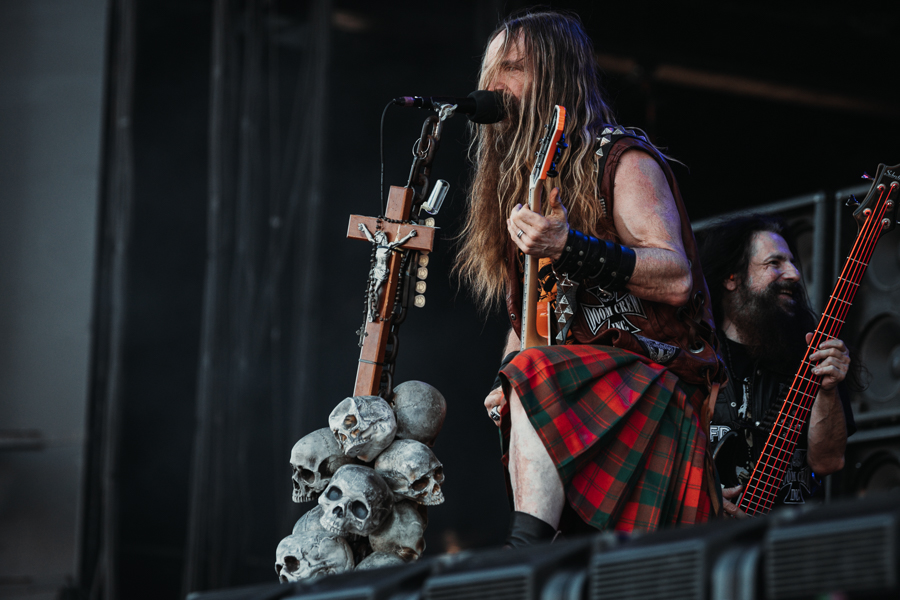
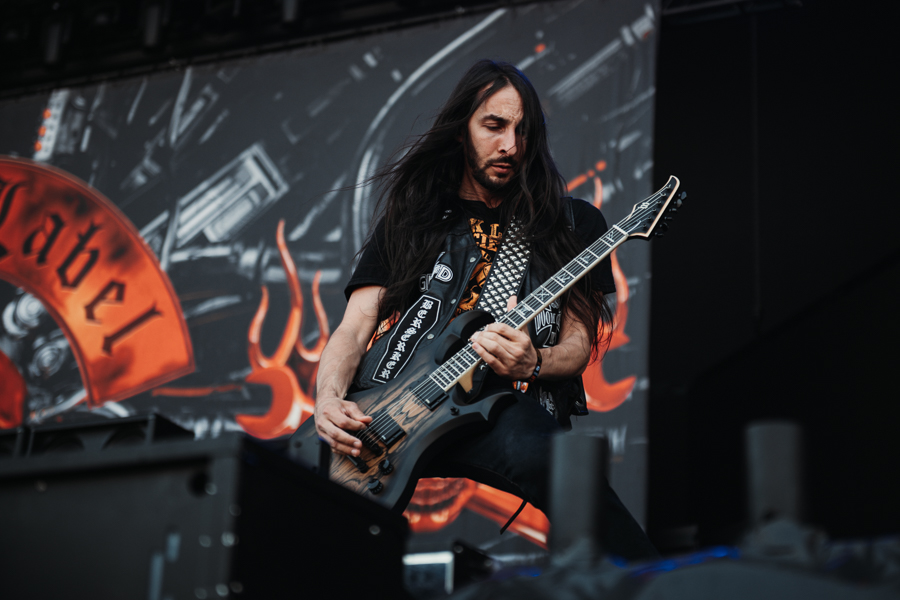
Black Label Society
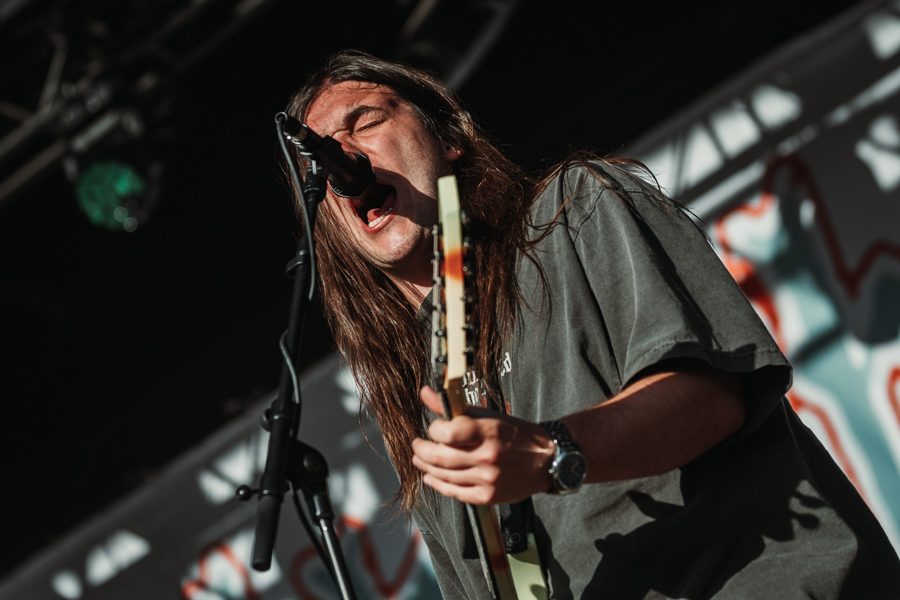
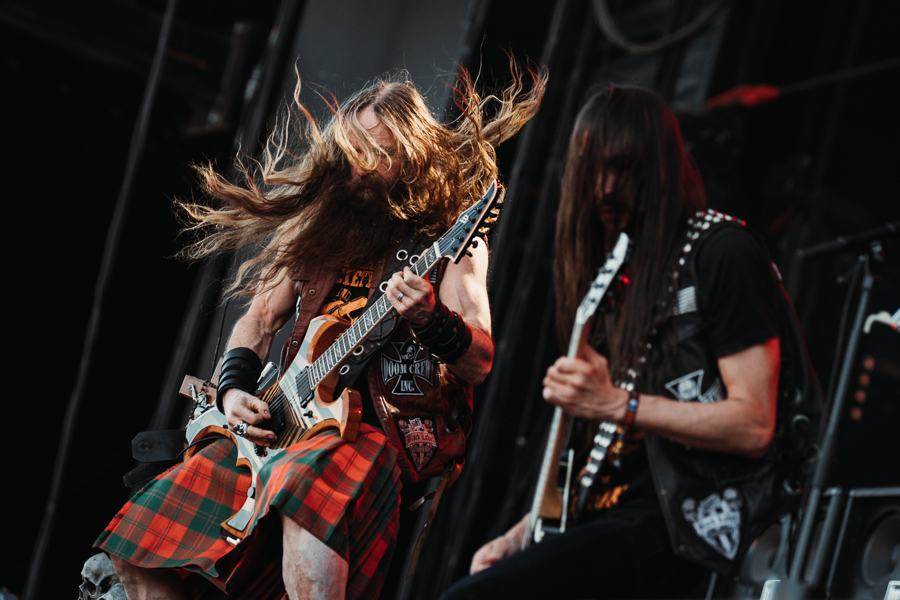
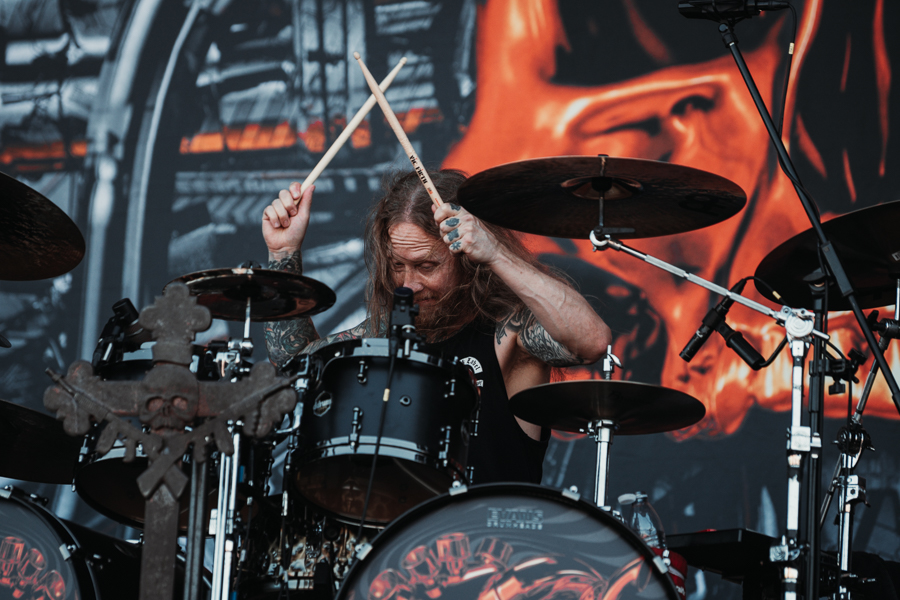
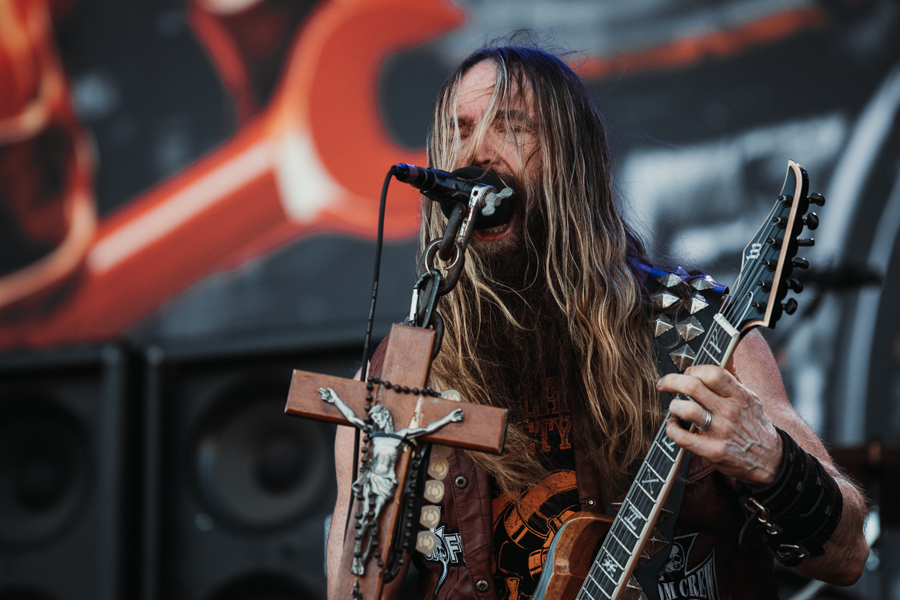
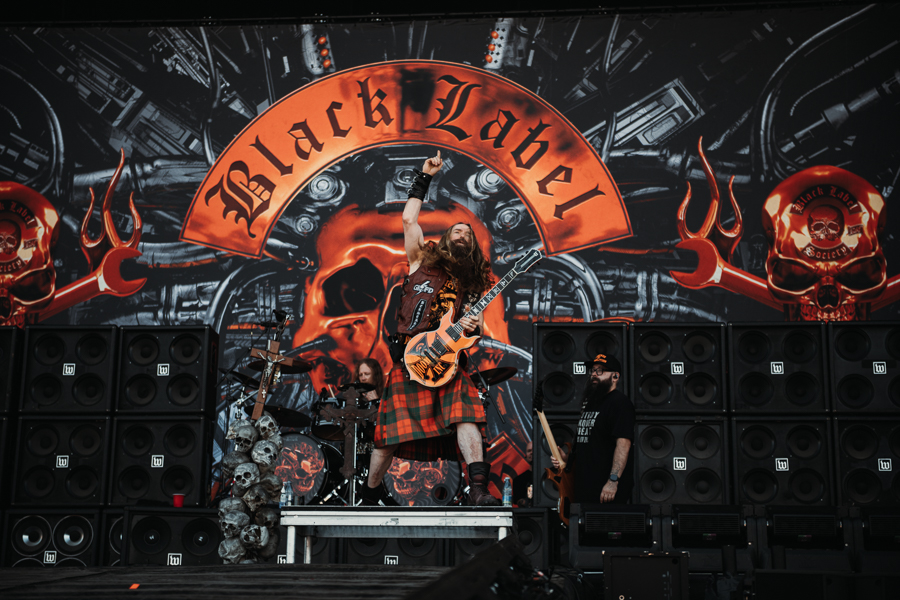
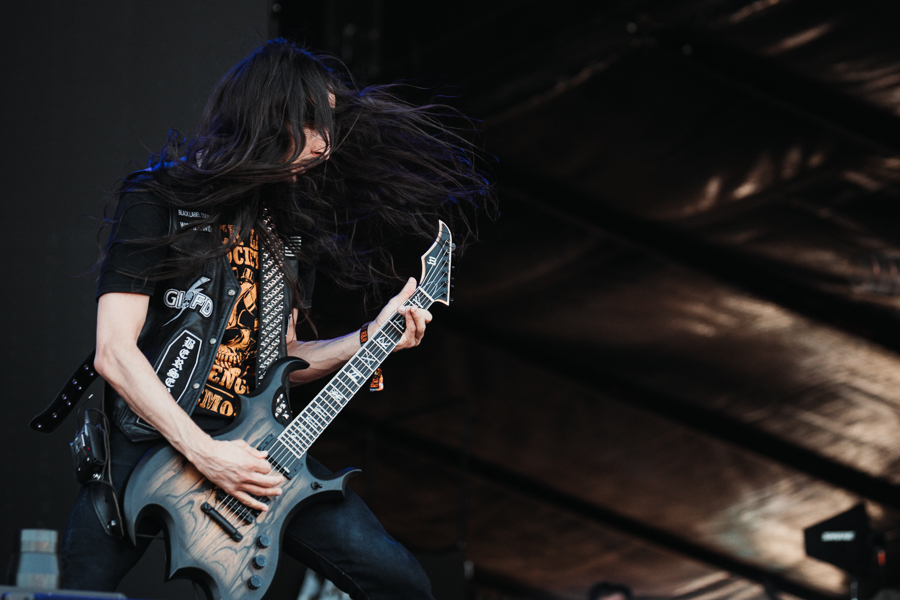
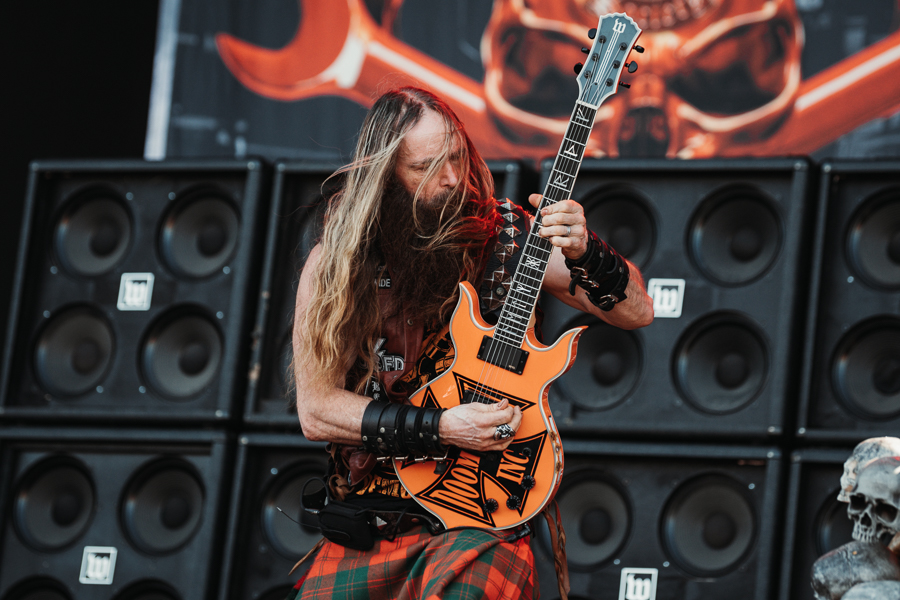
The sun is blazing as we reach the area in front of the Helviti stage before Black Label Society takes the stage. A large crowd has gathered to pay tribute to one of the heaviest institutions in metal. Founded in 1998 by Ozzy Osbourne’s guitarist Zakk Wylde, Black Label Society has now been around for nearly 30 years. The music fuses the legacy of Black Sabbath with dirty Southern rock and some of the most virtuosic guitar playing in the world, creating a wall of sound that is crushingly heavy. The experience clearly shines through in every pentatonic riff and Wylde’s iconic, piercing pinch harmonics. The solos are technical displays of power, driven by lightning-fast alternate picking that cuts through the otherwise sludge-heavy grooves of the songs. Zakk Wylde is also perhaps one of the few guitarists in the world who could play an entire concert with his hands behind his head.
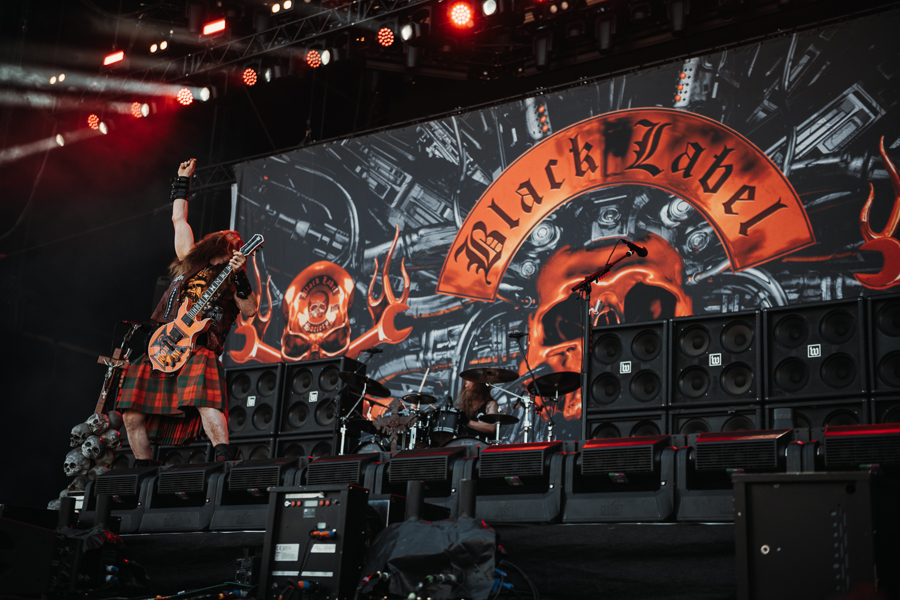
The vocals are worn and raspy, and like the musical style, clearly carry traces of his time with Ozzy. Yet the songs offer more than raw force and decades of experience. Black Label Society master the balance between brutality and melancholy, often stripping the tempo down completely to make room for acoustic passages and extended solos. It is precisely this dynamic between technically heavy riff execution and strong melodic hooks that gives the band their recognisable identity, and which has kept them alive in the industry for so many years.
On such a diverse day ranging from nostalgic nu-metal to theatrical horror metal, this was clearly the highlight of the day.
Gatecreeper
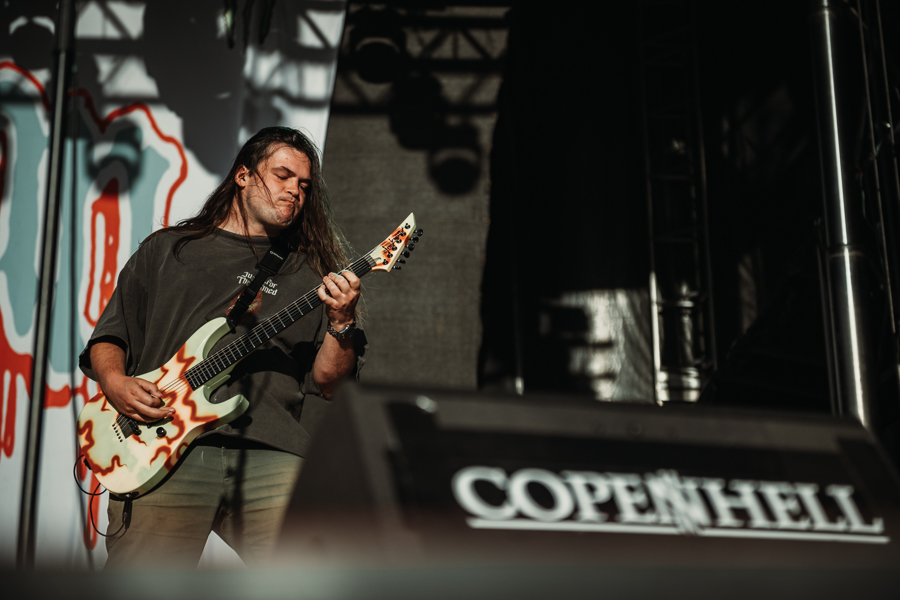
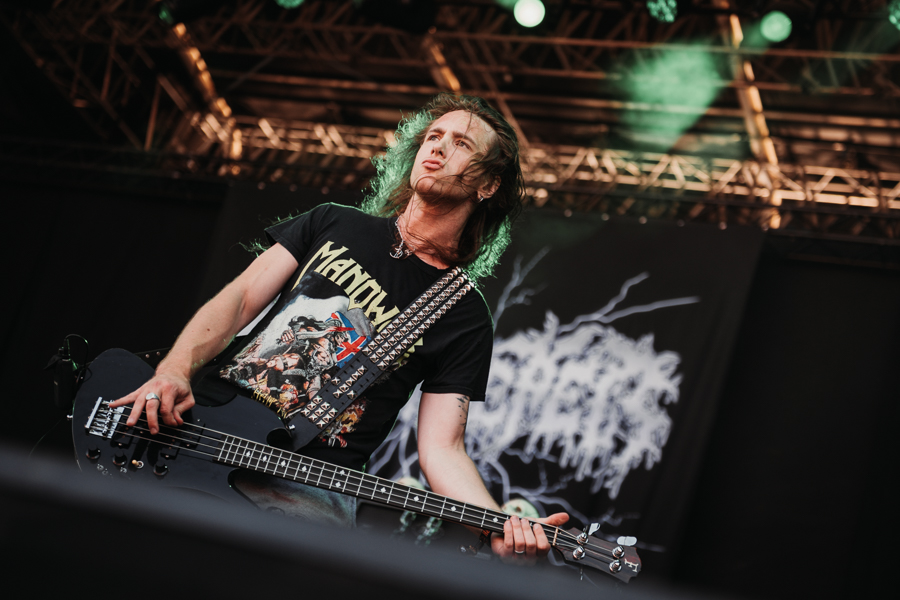
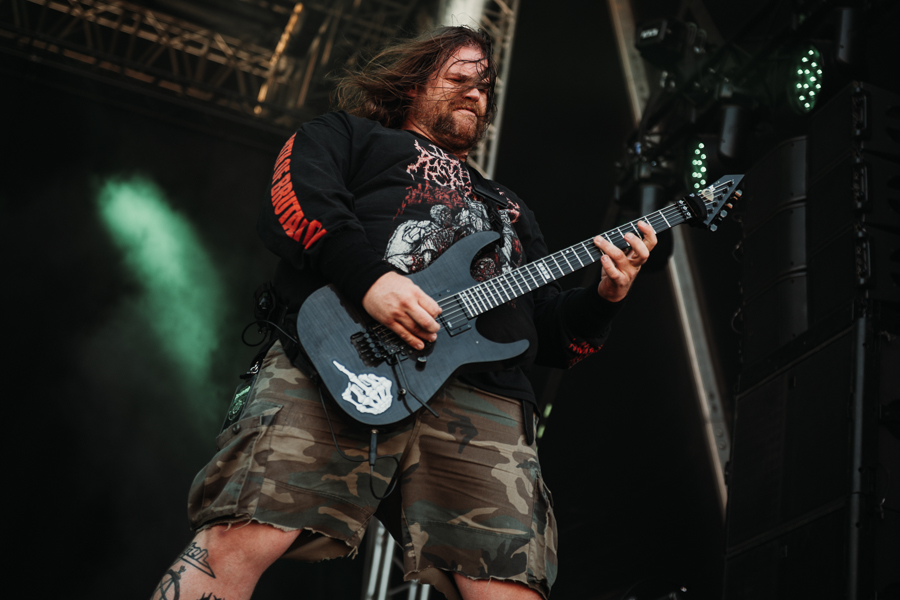
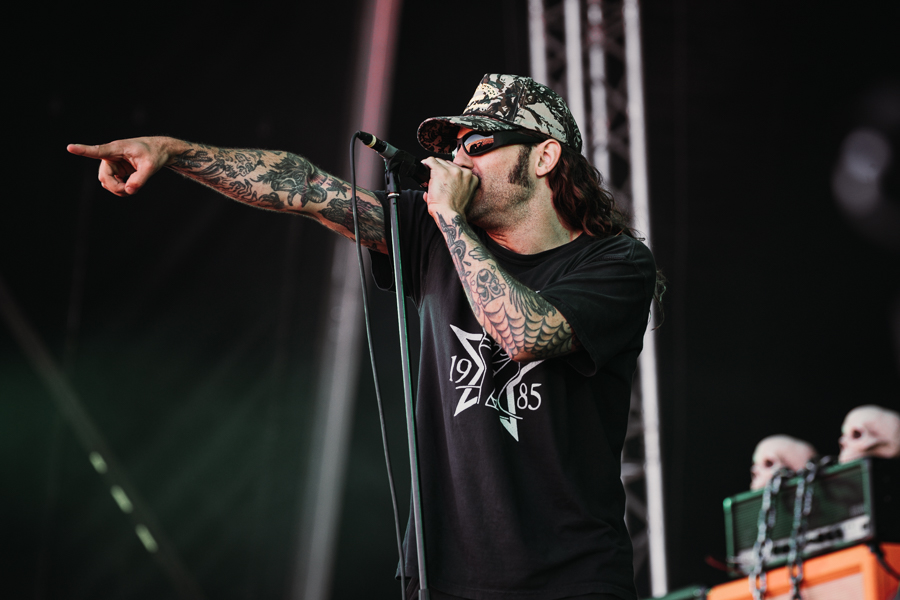
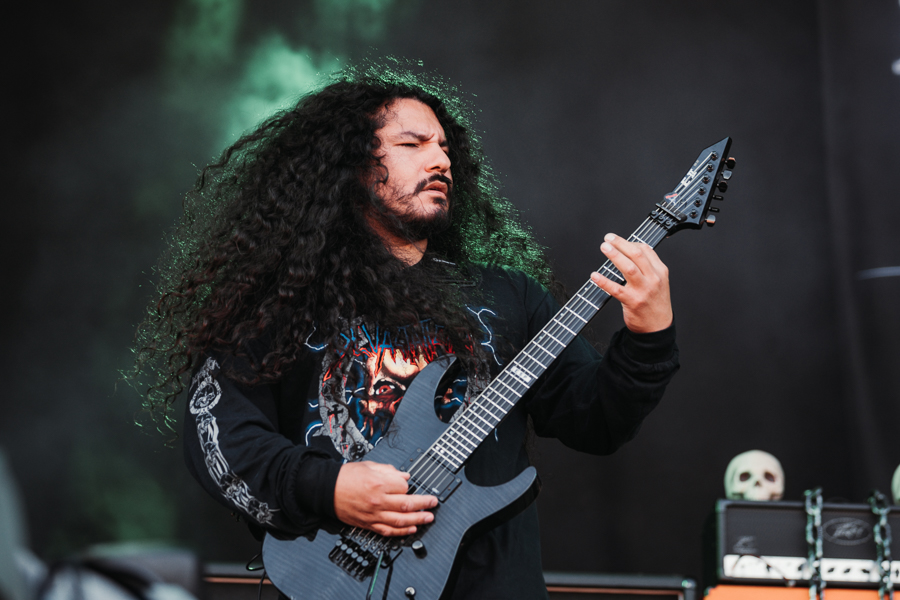
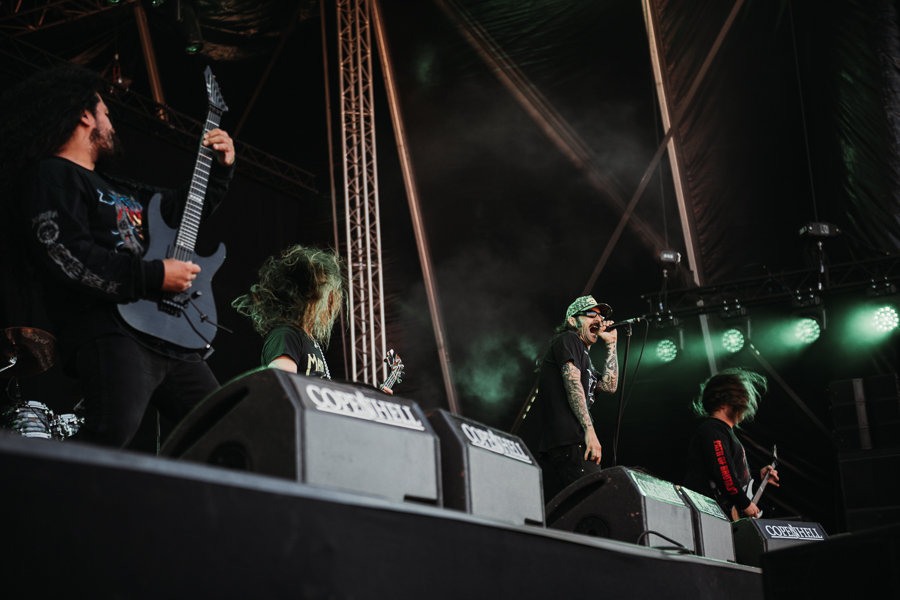
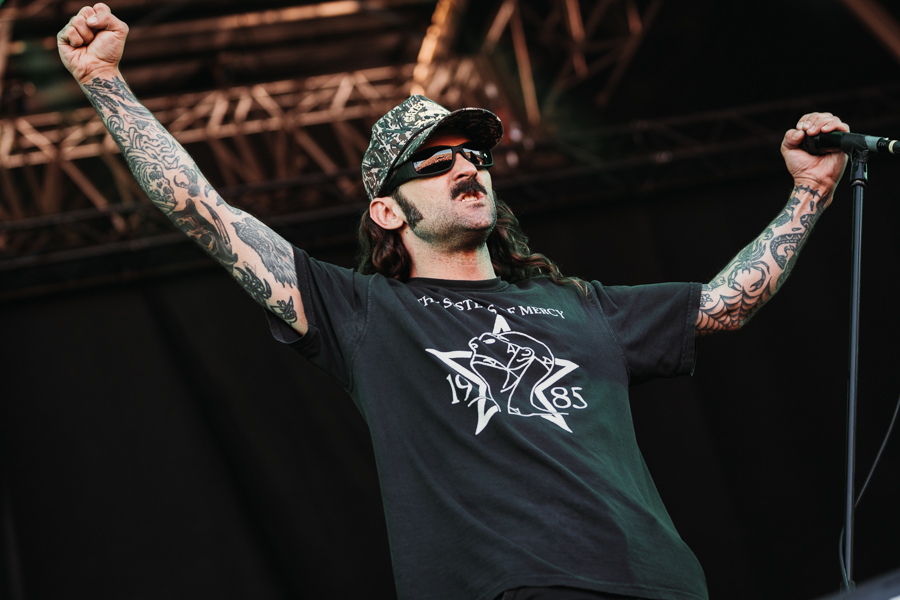
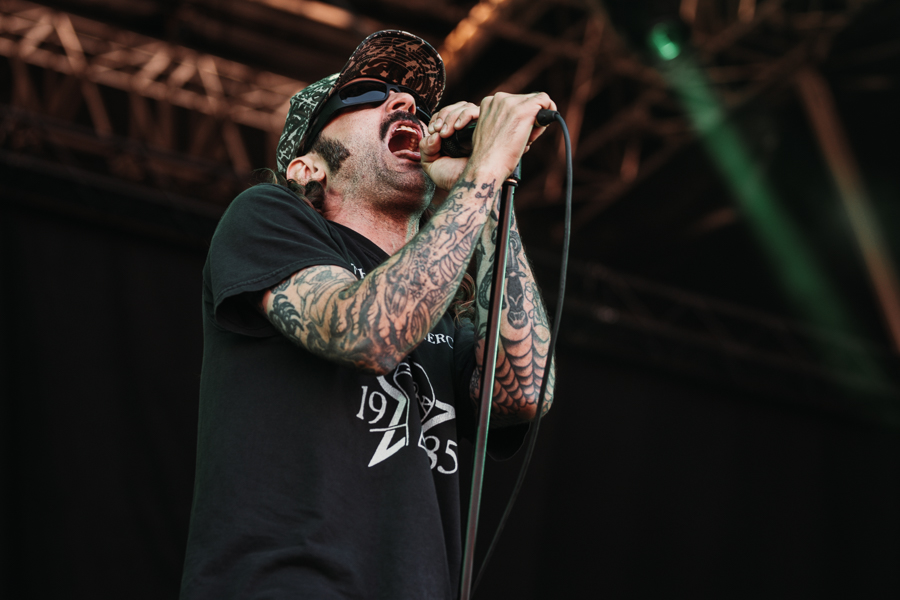
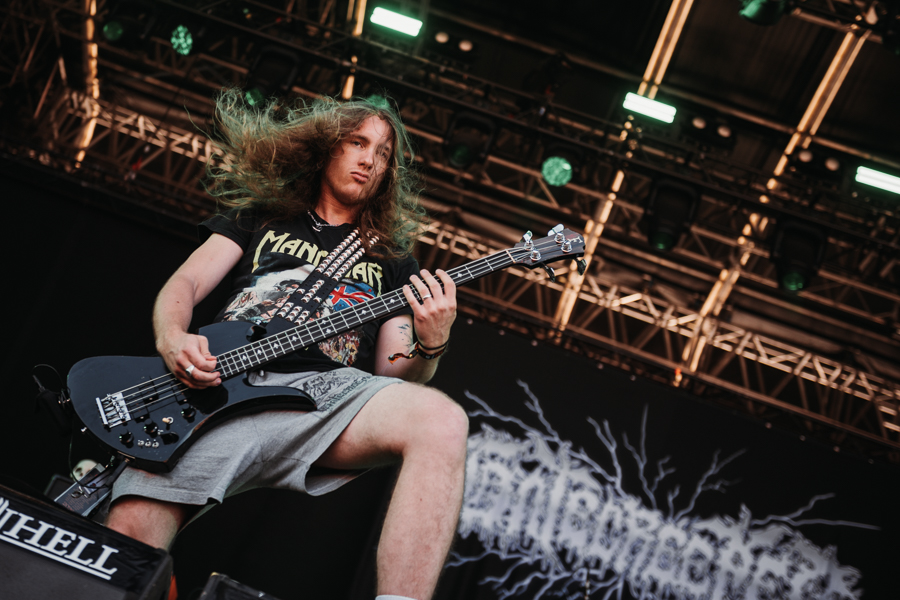
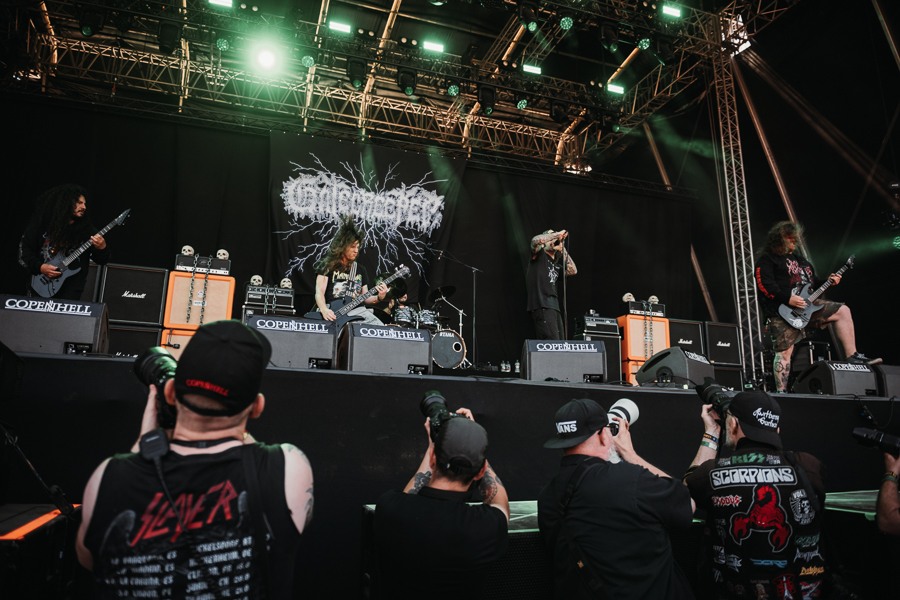
This is the band’s second appearance at Copenhell, and expectations are high as they step in to replace one of this year’s headliners, Static-X, who unfortunately had to cancel their tour. However, I can reassure the crowd that Gatecreeper delivered a very solid performance to fill those big shoes.
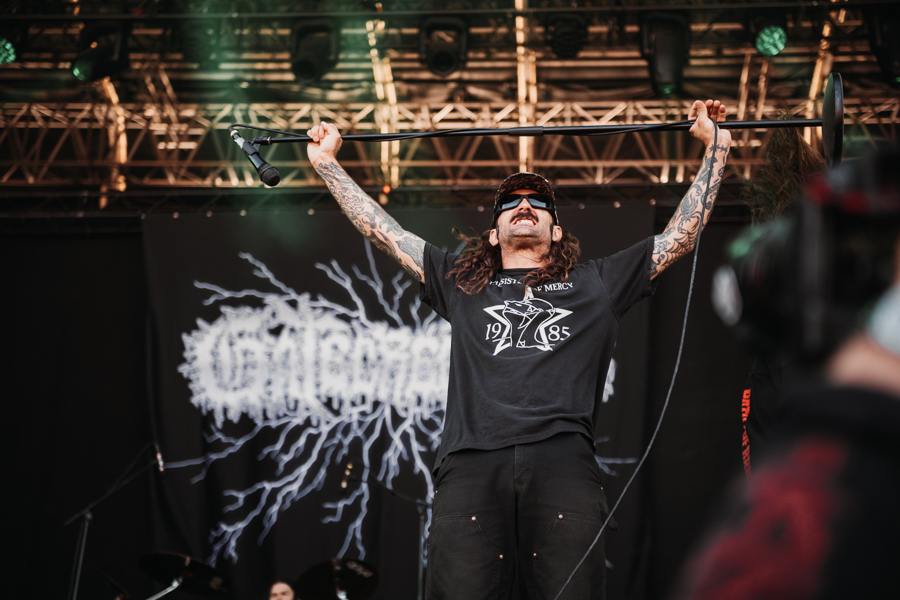
Gatecreeper are firmly establishing themselves as one of the most vital names in the wave reviving classic 1990s death metal. The band was formed in Arizona in 2013, and while they could initially be dismissed as yet another nostalgic tribute to the 90s, they have spent the past decade working their way into the upper ranks of the genre. Their sound is rooted in the Swedish old-school tradition, with deep ties to bands like Dismember and Entombed. Their music emphasises buzzing chainsaw guitars, heavy mid-tempo riffs and stomping grooves, but instead of simply copying the past, they combine it with gritty hardcore grooves and dragging doom elements.
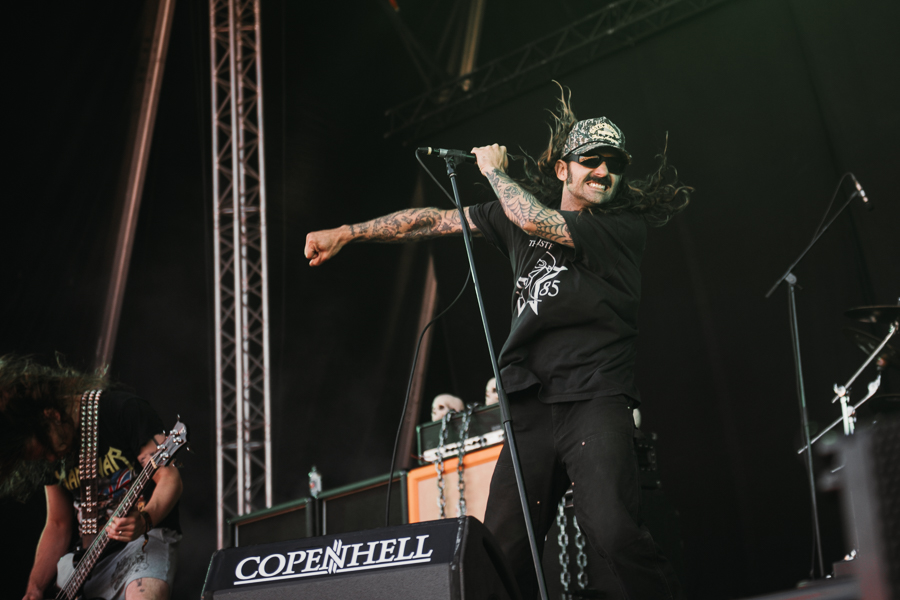
On newer releases such as “Dark Superstition”, the songwriting has become significantly tighter, and the band manages to integrate surprisingly strong leads and guitar themes that give the songs a dark melodic structure amid all the chaos.
It is fully deserved that Gatecreeper have gone from the smallest stage to one of the festival’s main stages in just four years.
Ice Nine Kills
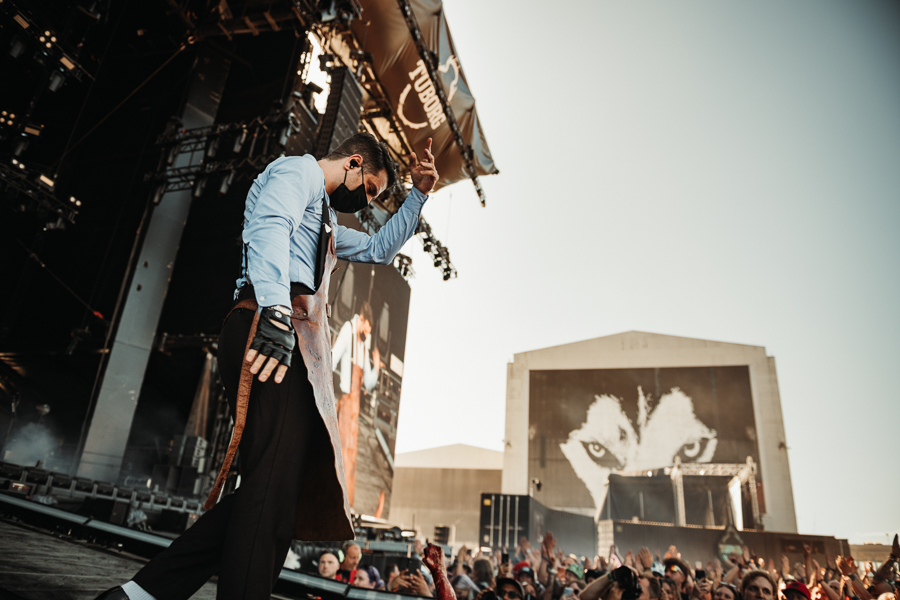
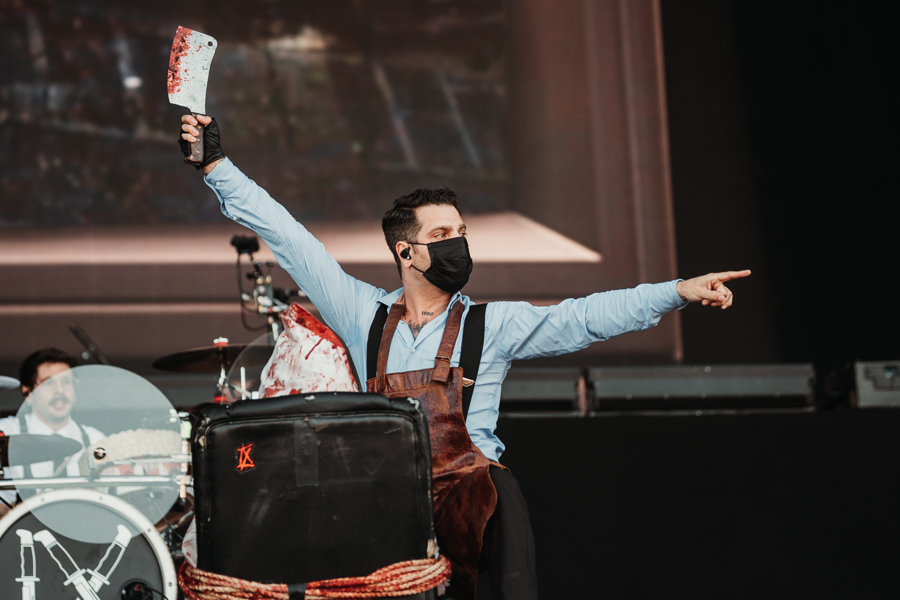
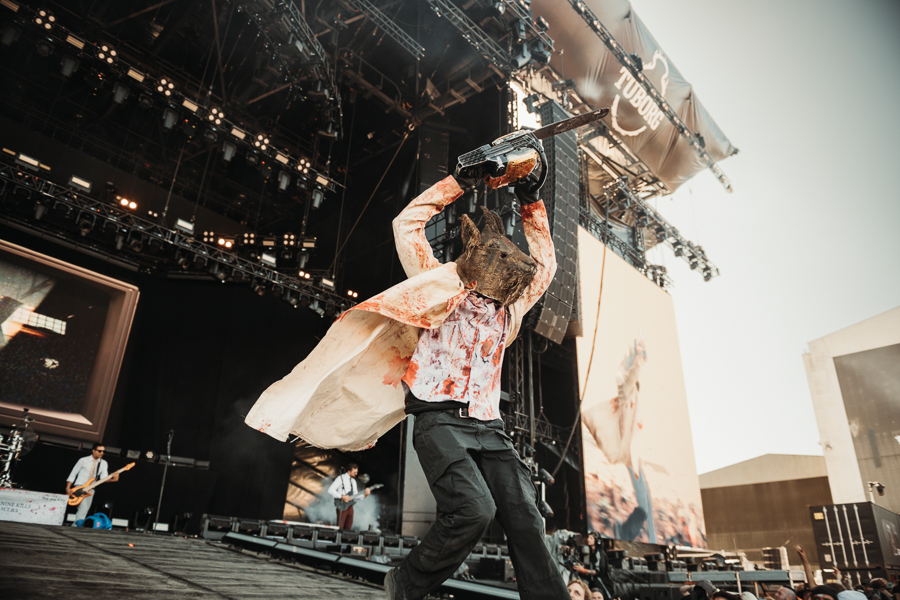
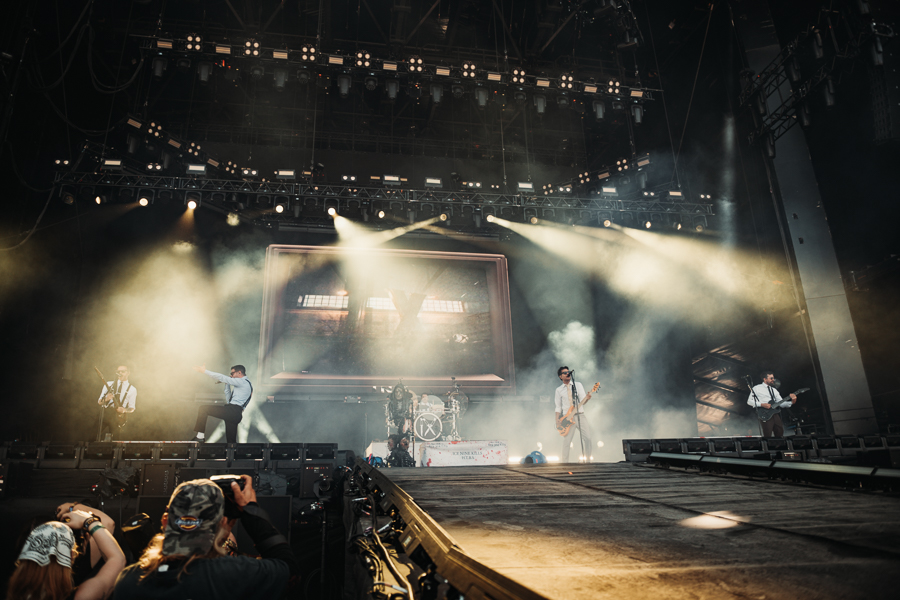
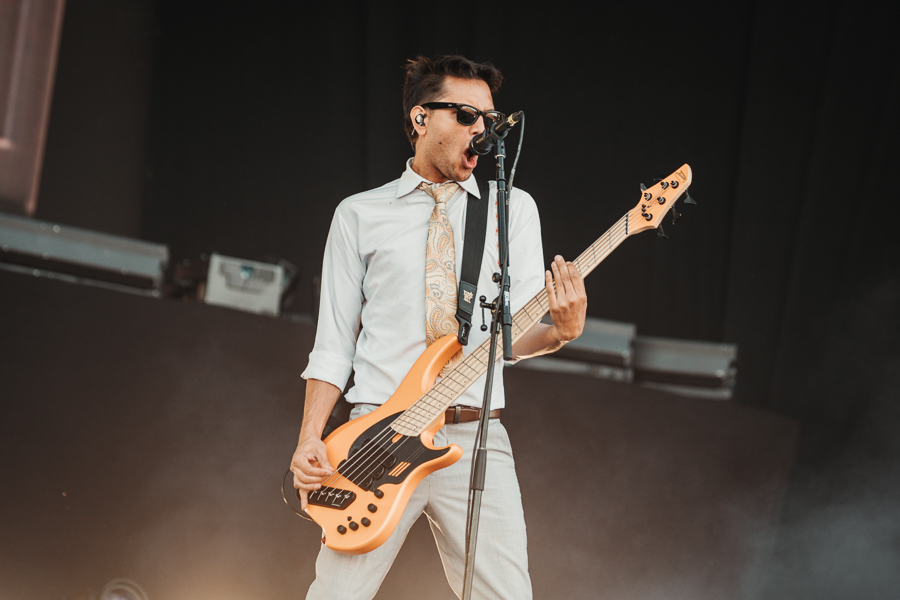
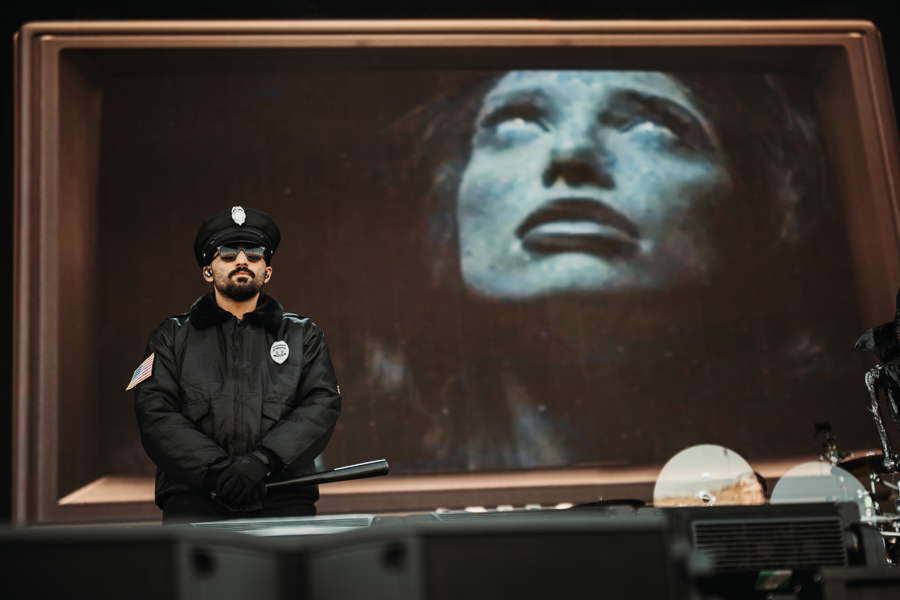
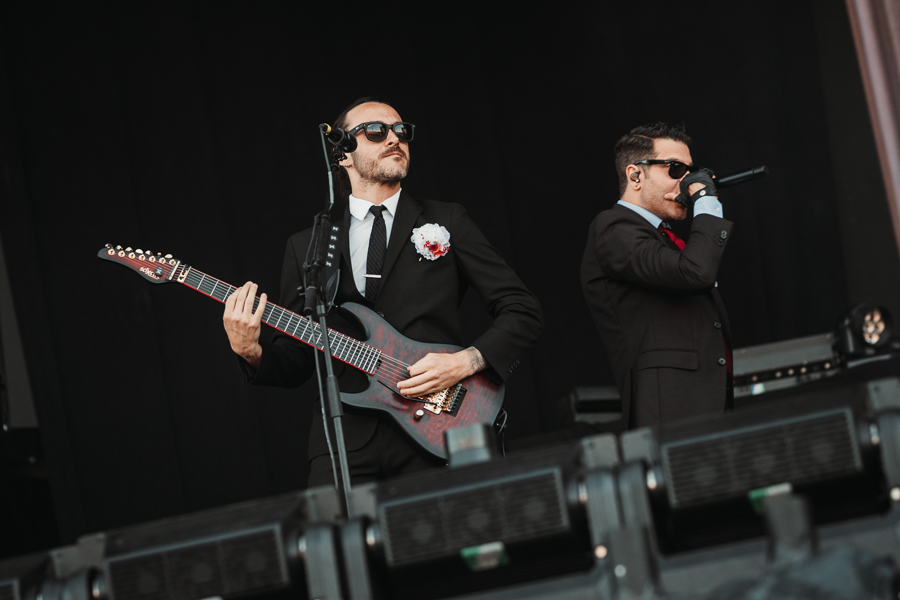
Ice Nine Kills is arguably one of the most polarising, yet also most fascinating names on the modern metal scene. The band originally started back in 2000 under the name Ice Nine, where frontman Spencer Charnas and his high school friends released something as genre-contradictory as pop-punk and ska-punk. Since then, they have undergone a massive musical evolution, abandoning pop influences and redefining what both they and metalcore can achieve.
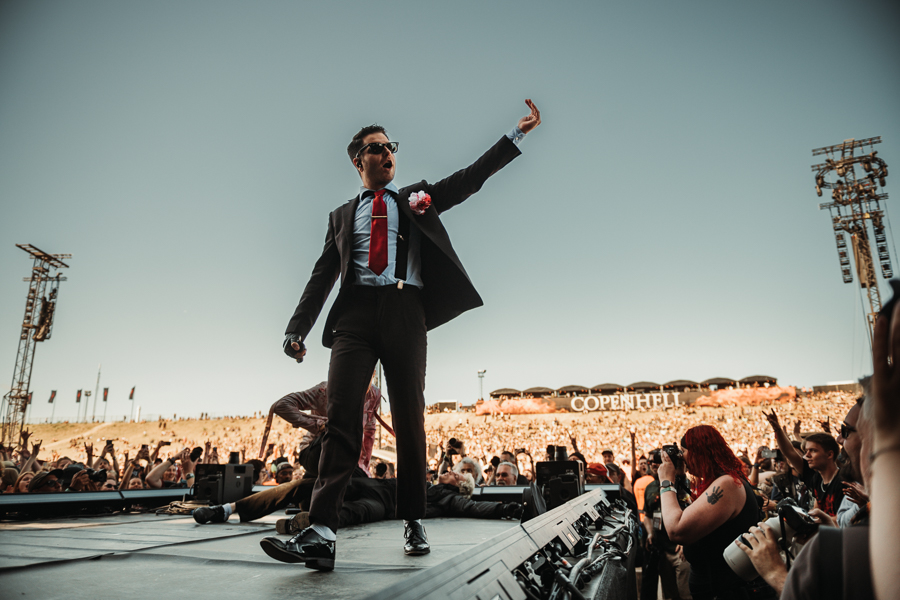
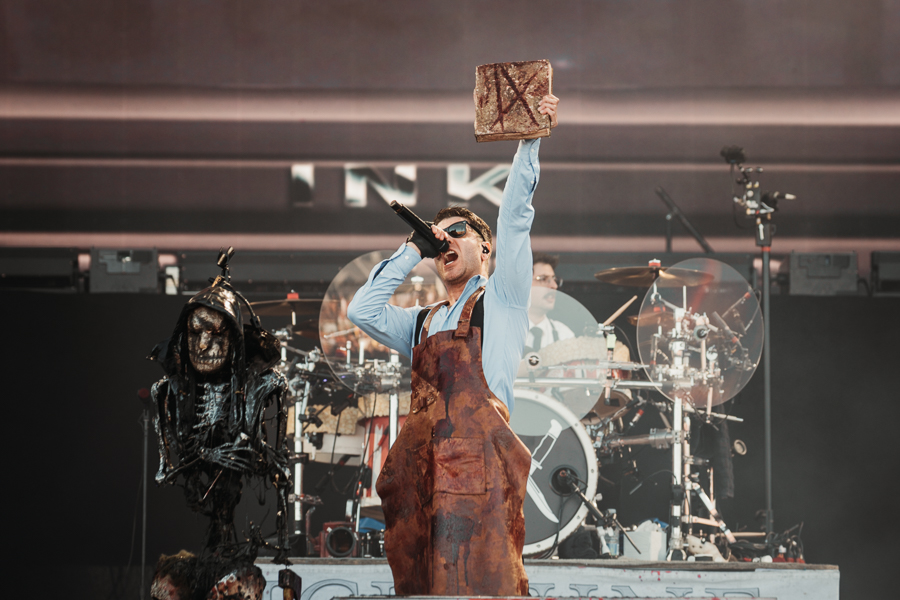
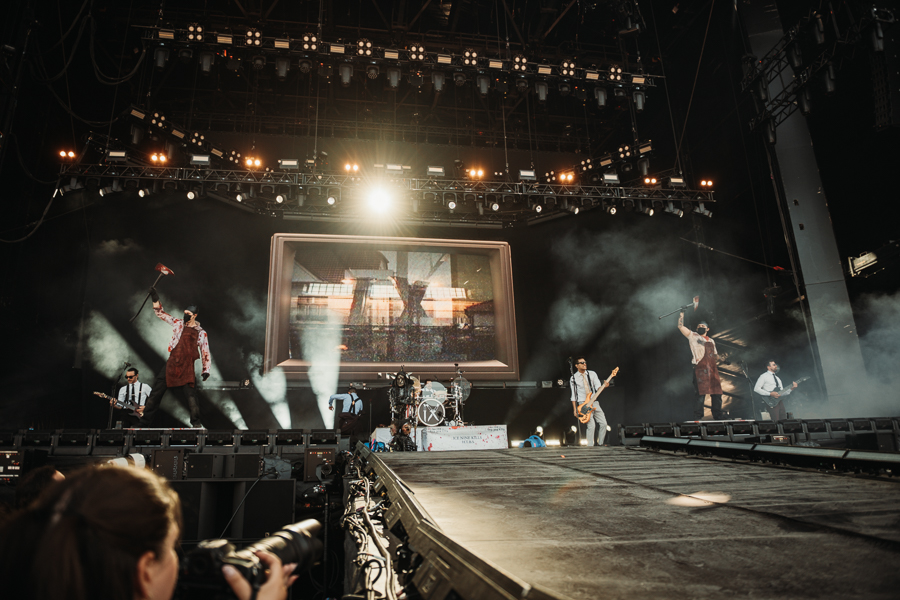
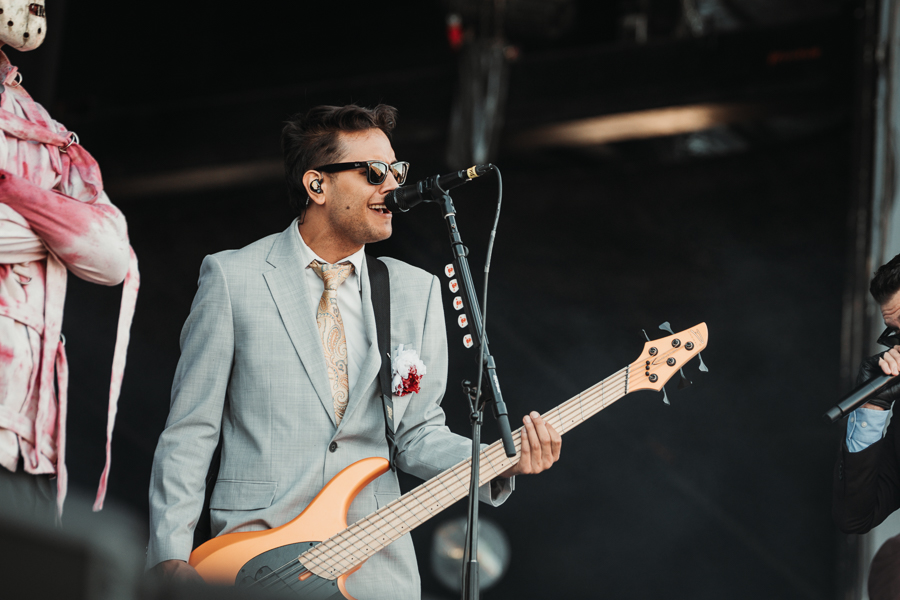
Their defining trademark is what they call “theatricore” – a cinematic and theatrical version of metalcore, where songwriting is built around horror films and classic literature. The focus is heavily placed on the stage show, with constant use of bloody film props – from grotesque foetuses and severed heads to chainsaws, masks and altars of corpses. Musically, the audience is thrown between heavy symphonic metalcore, frantic post-hardcore and elements of outright deathcore, while still retaining traces of their emo roots. There are both saxophone and trumpet on stage, but unfortunately they are barely audible in the mix, completely drowned out by everything else.
Papa Roach
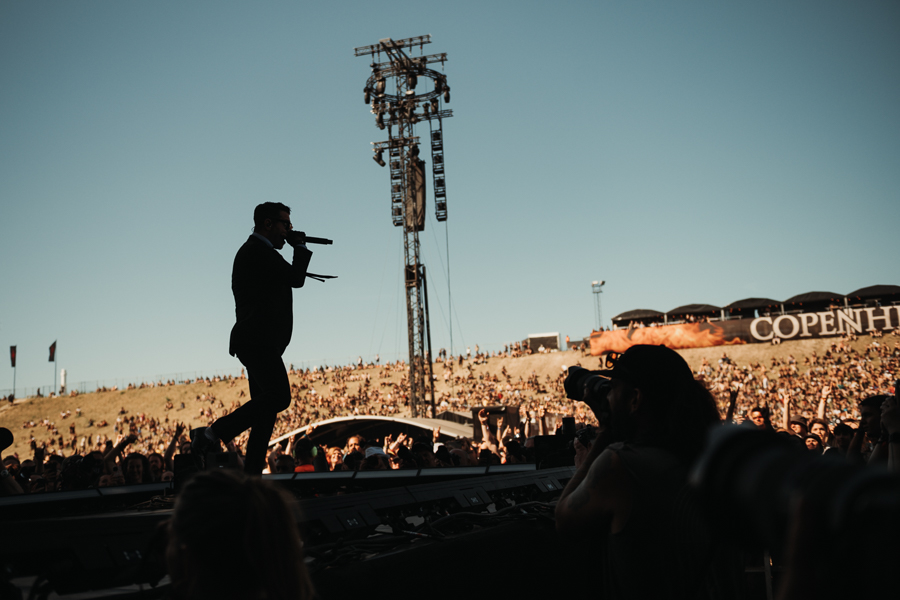
Papa Roach is for many of us inseparably linked with the sound of the turn of the millennium and the nu-metal wave. Formed in California in 1993, and with frontman Jacoby Shaddix at the helm, the band has now survived in the industry for over three decades. While their breakthrough album “Infest” in 2000 was defined by aggressive guitar riffs, heavy bass grooves and Shaddix’s energetic rap-rock vocals, their songwriting has changed significantly over the years. They have largely dropped the pure hip-hop elements in favour of a more streamlined alternative rock sound.
They became known for writing singles with catchy melodic hooks without completely abandoning their raw emotional edge. Stylistically, they sit in a crossover between hard rock, post-grunge and modern electronic elements. Song structures are typically tightly constructed; heavy mid-tempo verses flow into large, catchy choruses, giving the music broad appeal.
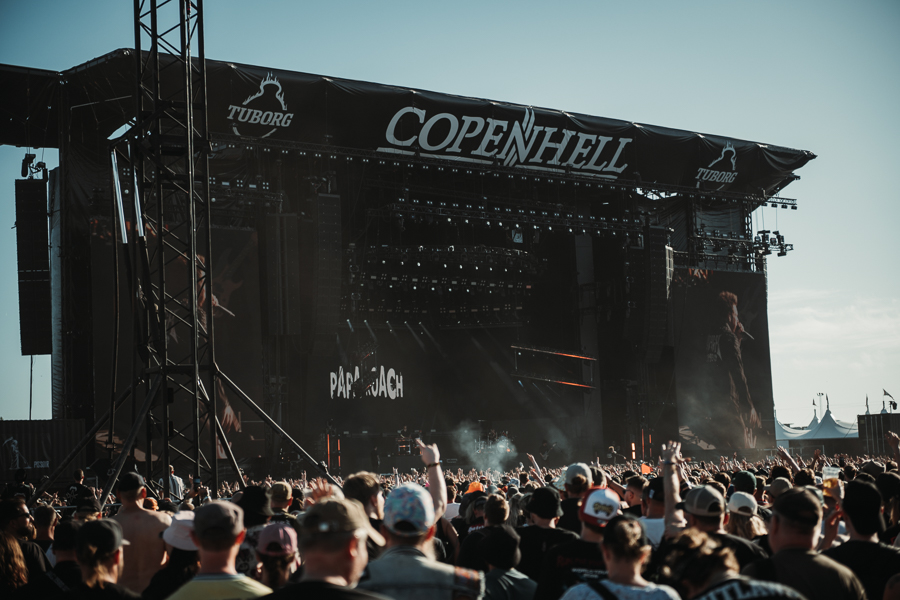
Despite large crowds, Papa Roach turned out to be one of the festival’s biggest disappointments. They sang small fragments of other artists’ songs from the same era, almost as if signalling: ‘We were there too back then.’ The result was that people mostly ended up waiting for their biggest hit, “Last Resort”, which unfortunately also disappointed when it finally closed the set.
Kublai Khan
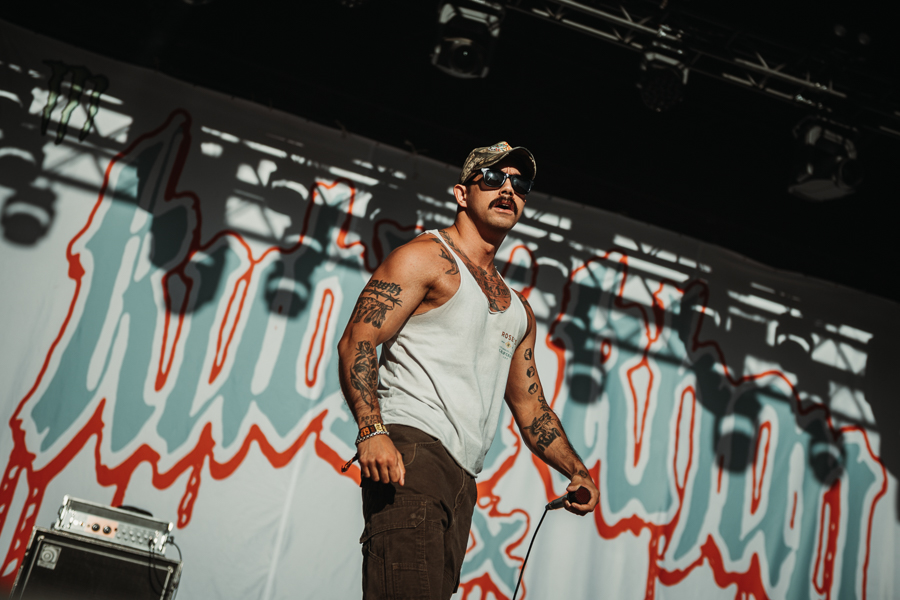
Since forming in Sherman, Texas in 2009, Kublai Khan have built a reputation for delivering music that hits like a concrete wall, without any unnecessary frills or polish.
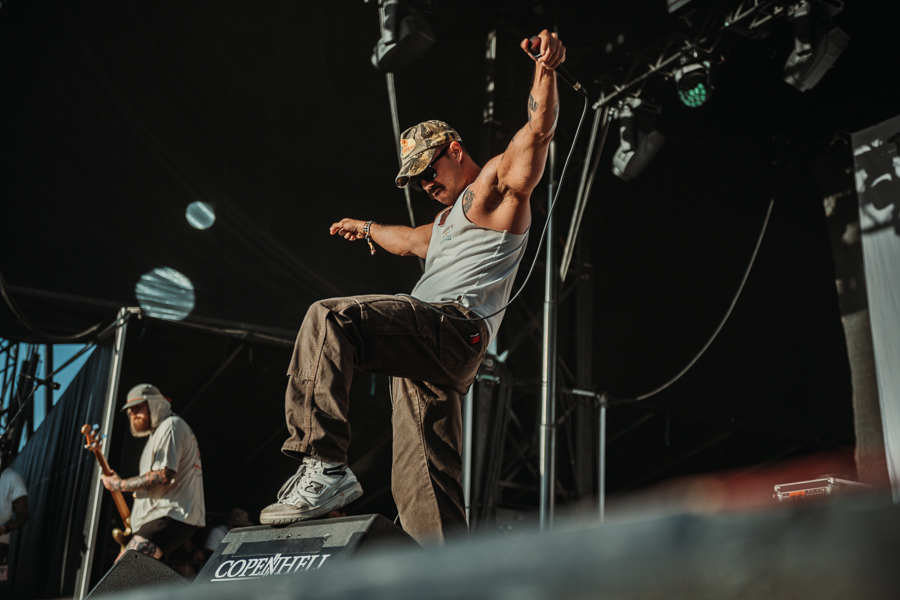
While other bands in the genre lean towards the grandiose or electronic, the Texans stay firmly rooted in the primitive and down-to-earth. It is an uncompromising and raw form of modern metalcore, drawing heavily from 1990s metallic hardcore. Their sonic identity centres on extremely low guitar tunings, creating a foundation of heavy, dragging rhythmic beatdown grooves and chugging riffs that rarely stray into technical solos, instead focusing on pure mechanical weight. Frontman Matt Honeycutt delivers no polished choruses, but a constant, raspy and deep growl that radiates both desperation and authority.
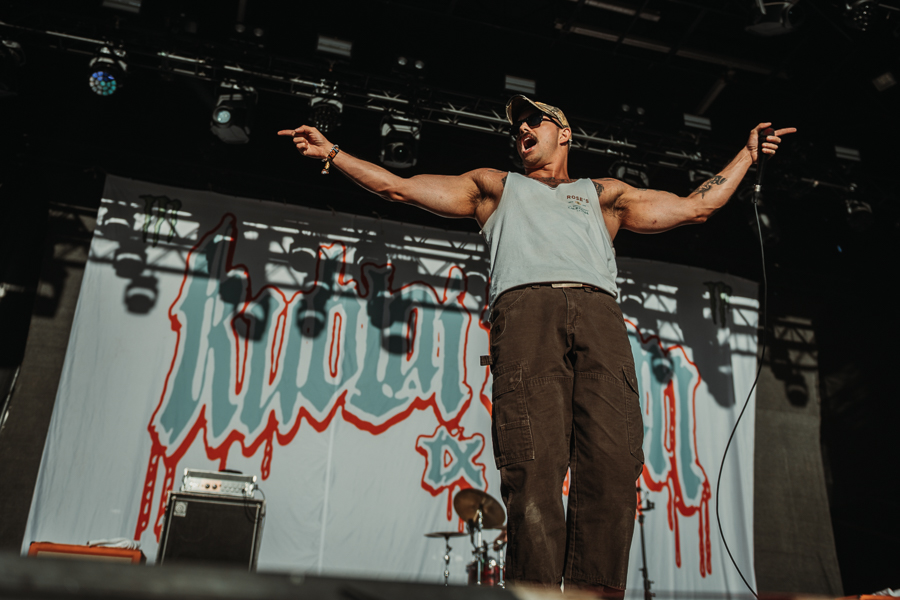
It ends with all the sunburnt metalheads being pushed to opposite sides, resulting in one of the best walls of death of the festival so far. The band arguably should have played a bigger stage, as crowds flocked there after Papa Roach, and the area in front of the stage was completely packed.
Photos (c) Morten Holmsgaard Kristensen