
Rob Lalain – The Way We Were
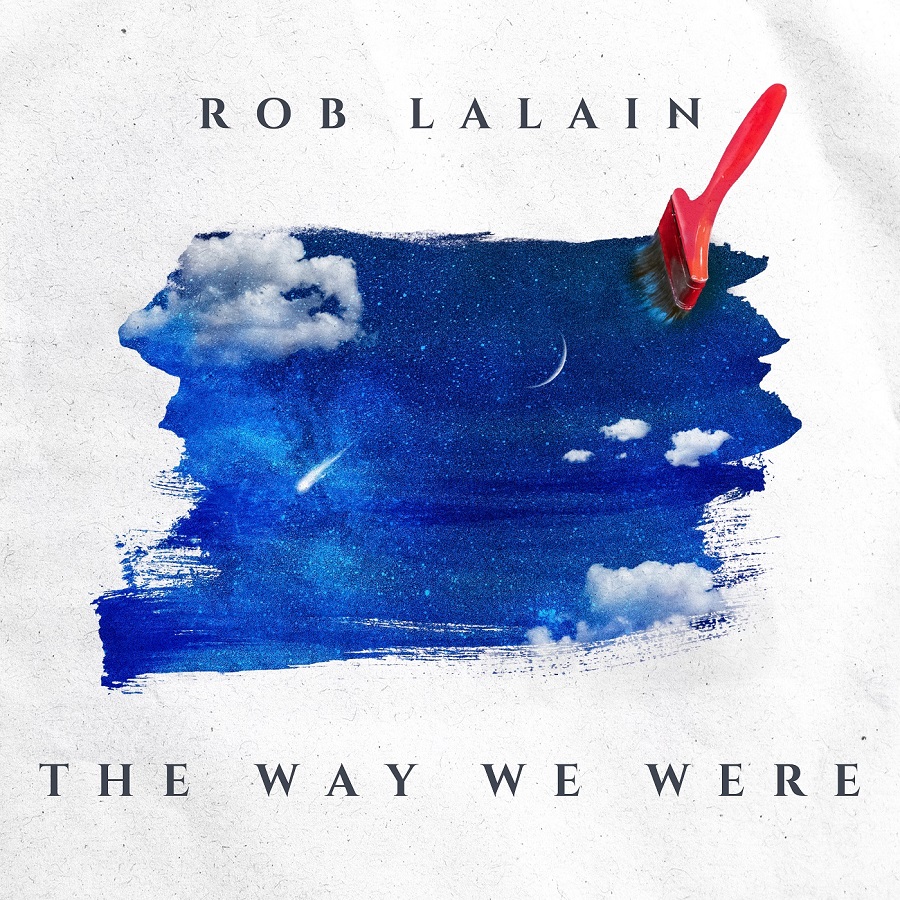
Rob Lalain is not the kind of artist you expect to see emerge in today’s music world. The singer-songwriter from Michigan put down his guitar in 1999 to focus entirely on raising his children, only returning to the studio during the lockdowns of 2020. Since then, he has released a remarkable stream of albums, including the well-received “Life” from 2024. With “The Way We Were”, released on January 23, 2026, Lalain continues his renaissance with a record that may well be his most personal work to date.
The album builds on a melodic rock foundation clearly indebted to the songwriting tradition of The Beatles and Paul McCartney. Lalain plays nearly all the instruments himself: Epiphone and Martin guitars, Hofner bass, piano and keyboards form the core, complemented by sparingly but effectively deployed strings and brass. The production is clean and uncluttered, free of unnecessary polish. That suits an artist who places the song above the sound.
The clarity of the production gives his honest vocal delivery the space to carry the emotional weight of the material. That approach works well on opener “Day or Night”, which sets a warm tone with shimmering guitars and a confident vocal line moving between brooding verses and an energetic chorus. “Fire”, co-written with Sean Weyers, is the most lighthearted moment on the record: a summery track with a catchy bass line and pizzicato strings that anchor the groove immediately.
Tracks like “No More”, “A Song For You” and “Since You’ve Been Gone” carry a heavier emotional weight, written during the period when Lalain was dealing with his father’s illness and eventual passing. He approaches this grief with restraint rather than drama, and that is precisely what gives these songs their strength. “A Song For You” is the quieter, intimate gem of the album, while the title track stands as a highlight in which his voice intertwines with a female vocalist in a call-and-response dynamic that lifts the song above the rest.
“A Thousand Times” opens with a delicate piano introduction that gradually builds into a broad harmonic climax with the full ensemble, while “I Want to Tell You” stands out for its inspired composition and emotional sincerity. Closer “All You Need is to Believe in Love” deliberately opts for optimism, serving as a gentle conclusion to a deeply personal story.
There are caveats, however. The album rarely strays from familiar pop-rock territory and offers little in the way of surprise for those well acquainted with the genre. The song structures are reliable but predictable, and listeners seeking musical risk-taking will find little challenge here. Lalain’s voice carries the material with consistency, but occasionally lacks the distinctive expressiveness that turns a good song into an unforgettable one. The second half of the album, solid as it is, does not always sustain the emotional momentum of the opening tracks.
Nevertheless, “The Way We Were” is an honest and accomplished album. It feels less like a traditional studio release and more like a personal document, shaped by memory, loss and the quiet persistence of hope. For lovers of melodic, sincere rock music with a nod to the classics, this comes recommended. Lalain proves that a return after more than two decades need not be a gimmick, but a second chance he has seized with both hands. (7/10) (Lalain Songs)


