
Gogol Bordello – We Mean It, Man!
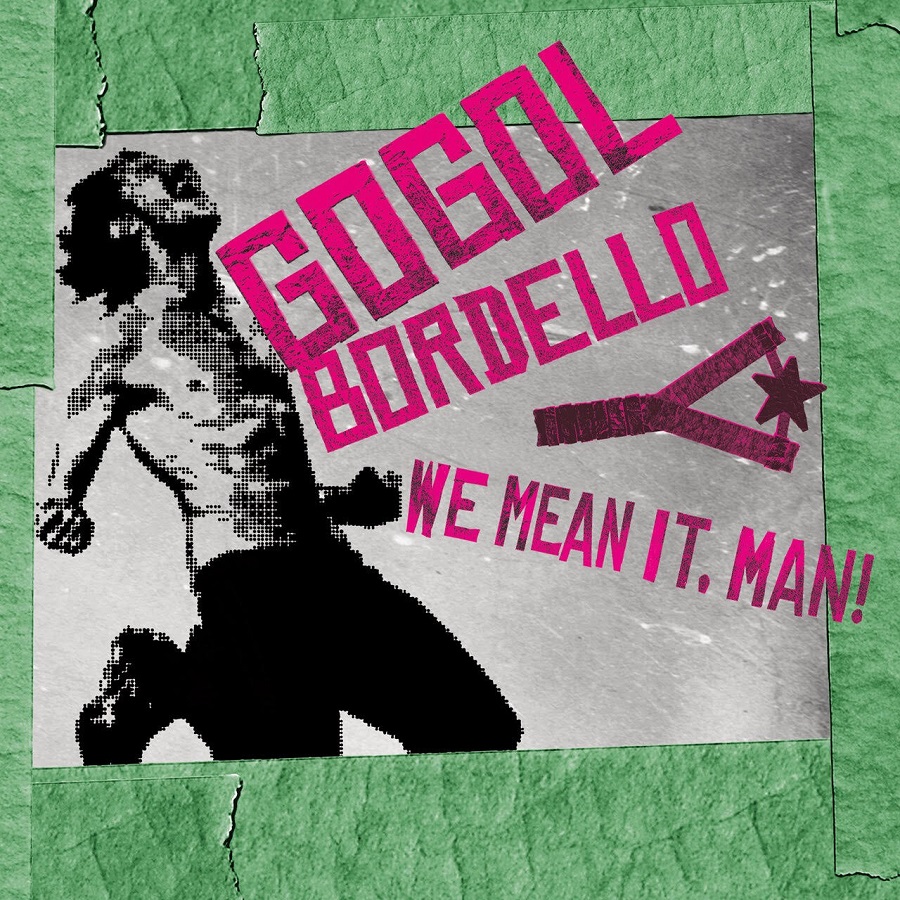
There are bands that embody a genre, and there are bands that invent one themselves. Gogol Bordello did both. Since Eugene Hütz unleashed his multicultural punk orchestra on the world from New York’s Lower East Side in the late 1990s, the eight-piece collective has become the undisputed kings of what is now called “gypsy punk” – a genre with exactly one throne contender. With “We Mean It, Man!”, their ninth studio album and the first on Hütz’s own Casa Gogol Records, the band does something rarely seen among groups that have been around for over a quarter century: they reinvent themselves without losing themselves.
The key to that metamorphosis comes in two names: Nick Launay and Adam ‘Atom’ Greenspan. Launay, the man behind the knobs for Nick Cave, Gang of Four, Yeah Yeah Yeahs and IDLES, brings a production aesthetic that does not temper Gogol Bordello’s raw energy but channels it. Whereas their previous album “Solidaritine” (2022) turned to hardcore under Walter Schreifels’ fists in response to the Russian invasion of Ukraine, “We Mean It, Man!” dives into a completely different tunnel. Hütz himself called it their ‘post-punk revenge’, and it is an apt description. The twelve tracks combine the familiar Roma violin, accordion, and that unmistakable Eastern European swing with electronic layers, loops, and gated drums reminiscent of the heyday of Public Image Ltd. and Killing Joke. Imagine Manu Chao and John Lydon getting lost together in a Berlin club while a Romanian wedding band turns the place upside down – that gets close.
The title track opens the album like a punch in a velvet glove: hard guitar riffs intertwined with synth textures and Hütz’s signature vocal acrobatics, somewhere between chanting and singing in five languages at once. “Life Is Possible Again” follows as the emotional heart of the record. Where many bands turn cynical after twenty years, Hütz chooses radical optimism – not the naive kind, but the lived optimism of someone evacuated after Chernobyl, wandering Europe as a refugee, and refusing to give up hope ever since. The video, featuring actor Liev Schreiber, underscores that message with unforgettable force.
“No Time For Idiots” is the track fans of “Gypsy Punks” from 2005 will hold dear: a Strummer/Jones-like riff punk banger with a chorus that drills into your skull and refuses to leave. Think the infectious energy of “Wonderlust King” but put through a post-punk wringer. “Hater Liquidator”, on the other hand, is the album’s dancefloor filler, a bonanzatronic party where Erica Mancini’s organ work steals the show. It’s the kind of track where you burn your last ounce of energy in a sweaty club at three in the morning – and feel no regret.
The collaborations on the album are deliberate. Grace Bergere delivers vocals on “Boiling Point” that elevate the track, while “From Boyarka to Boyaca” with Puzzled Panther – the psychedelic Manchester-meets-New York project featuring Brian Chase of the Yeah Yeah Yeahs – produces one of the most adventurous tracks. The journey from Boyarka (Ukraine) to Boyacá (Colombia) is an odyssey both geographically and musically. The closer “Solidarity”, in a new Launay mix with Bernard Sumner of New Order on guitar, connects to the version released in 2023 but here reaches a definitive, grand form. The track, based on an anthem by the Angelic Upstarts, feels like the logical bridge between Gogol Bordello’s punk DNA and their new post-punk direction.
Are there caveats? Yes. Tracks like “Crayons” and “State of Shock” in the second half of the album do not quite reach the level of the opening sequence, and at times the electronic production threatens to overshadow the organic charm that makes Gogol Bordello unique. Sergey Ryabtsev’s violin – the band’s secret weapon for decades – could have been more prominent on some tracks. And Hütz’s lyrics, sincere and urgent as they are, sometimes veer into slogan-like optimism where more nuance would have been welcome.
But these are minor blemishes on an album that impresses mainly through its daring. In an era when many veteran bands opt for safe nostalgia or forced reinvention, Gogol Bordello succeeds in keeping their DNA intact while exploring a completely new sonic landscape. The collaboration with Launay and Greenspan is not cosmetic but a fundamental recalibration of their sound – and it works. “We Mean It, Man!” proves that even after nine albums, you can still surprise, as long as you mean it. And if there is one thing Eugene Hütz has always meant, it is the music. (7/10) (Casa Gogol Records)


