
Precious Pop Pearls: The Story Behind The Buggles – “Video Killed the Radio Star”
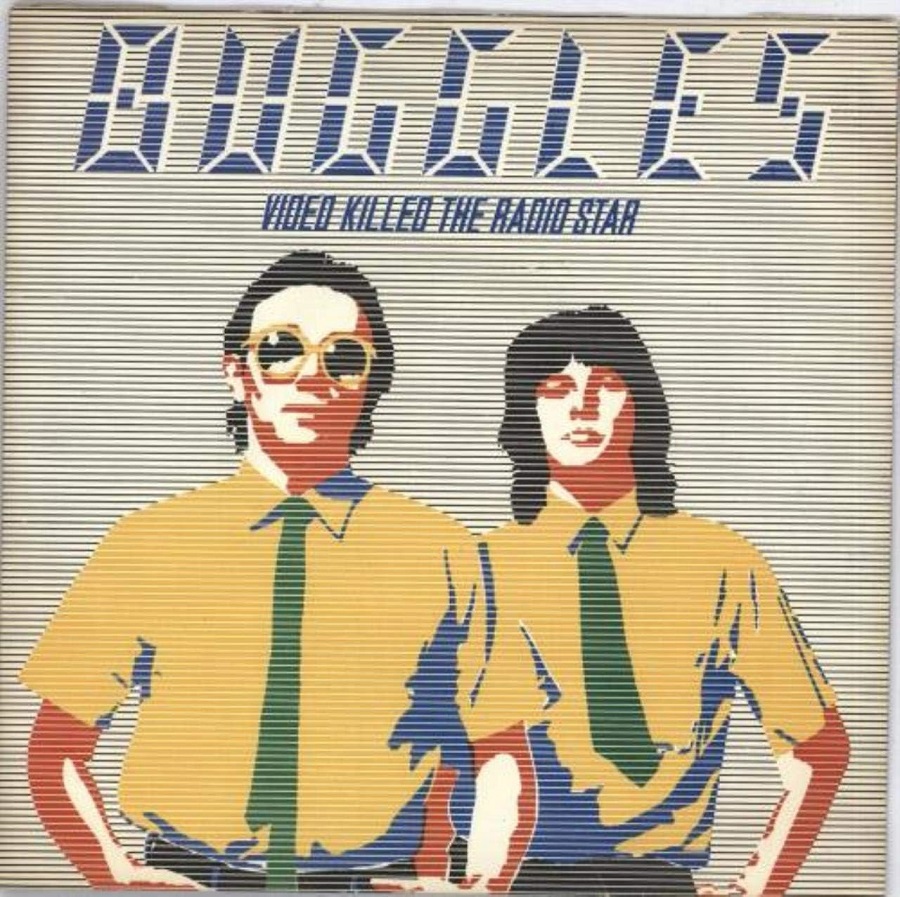
Some pop songs do not merely capture a moment, but predict an era. “Video Killed the Radio Star” by The Buggles is such a song. Released at the end of the 1970s, the track marked a turning point in music history, in which technology, visual culture and pop music became increasingly intertwined. The song became a worldwide hit, but only later acquired its true historical significance when it became a symbol of the transition from radio to television as the dominant carrier of pop culture. What began as a melancholic pop song grew into a cultural reference point that is still cited in discussions about media, innovation and transience.
The Buggles
The Buggles emerged in London in the second half of the 1970s and essentially consisted of Trevor Horn and Geoff Downes. Both musicians had backgrounds in progressive rock and studio work, but became fascinated by the rise of new technologies such as synthesisers and multitrack recording. While many contemporaries still clung to traditional band structures, Horn and Downes saw the studio itself as an instrument. The Buggles were not a classic live band, but a project focused on composition, production and concept.
Trevor Horn developed early on as a studio perfectionist, someone who built sound layer by layer and linked emotion to technical precision. Geoff Downes contributed a strong melodic sensibility and his experience with complex arrangements. Together they created a sound clearly rooted in new wave and synthpop, while also containing elements of progressive rock and classic pop structures. In this way, The Buggles fitted perfectly into a period in which pop music was moving away from the raw energy of punk and making room for experimentation and refinement.
Video Killed the Radio Star
“Video Killed the Radio Star” was released in 1979 and was instantly recognisable from its opening notes due to its futuristic soundscape. The prominent synthesisers, tight rhythm and layered vocals gave the song a modern feel that contrasted sharply with many rock and disco hits of the same period. At the same time, the track contained a strikingly nostalgic undertone. The lyrics refer to a past in which radio was the primary source of musical discovery, and place this against a new world in which imagery becomes increasingly important.
The single became an international hit and reached number one in, among others, the United Kingdom, Australia, Sweden and Switzerland. In many other countries, the song placed high in the top ten. In the United States, the initial success was more modest, but the song’s status later grew into something that went beyond chart positions. The track aligned seamlessly with the rise of MTV and music videos as an essential promotional tool. The combination of sound and image gave the song an additional layer of meaning that has only strengthened over time.
Compared with other music from the same period, such as the punk movement or the final wave of major disco hits, “Video Killed the Radio Star” felt almost visionary. Where punk focused on direct expression and disco on escapism, The Buggles reflected on change itself. The song was not rebellious in the classical sense, but it did pose questions about progress and loss, packaged in an accessible pop form.
The music video for “Video Killed the Radio Star” played a crucial role in the song’s legacy. The futuristic imagery, combined with retro elements and science-fiction-like scenes, reinforced the theme of technological transition. The video became famous because it was the very first clip ever broadcast on MTV at the launch of the channel in 1981. As a result, the song became inseparably linked with the beginning of a new era in music consumption.
Although the clip appears technically simple by today’s standards, it was innovative at the time. The use of visual effects, symbolism and narrative elements made it clear that music videos could be more than mere documentation. In this respect, “Video Killed the Radio Star” became not only a song about change, but also an active part of that change.
Bruce Woolley and The Camera Club
Over the years, “Video Killed the Radio Star” has been covered and reused countless times. Artists from a wide range of genres, from pop to electronic music and rock, have reinterpreted the song. Some versions emphasise the melancholy of the lyrics, while others highlight the danceable nature of the composition. The song also regularly appears in films, television series and advertisements, often as a reference to nostalgia or media history.
The best-known and most influential cover of “Video Killed the Radio Star” appeared in 1980 and was recorded by Bruce Woolley and The Camera Club, a band in which Bruce Woolley, co-author of the song, played a central role. This version was even released earlier than the recording by The Buggles and emphasizes guitars and a more traditional new wave approach, bringing the song closer to the British post-punk scene of the time. Where The Buggles’ version relied heavily on synthesisers and studio technique, this version sounds rougher and more direct, with an emphasis on rhythm and melody rather than production. The cover achieved a modest chart position in the United Kingdom, but gained significance mainly as an alternative interpretation of the same material. The contrast between the two versions underlines how flexible the composition is and how strongly the eventual impact of “Video Killed the Radio Star” became tied to Trevor Horn’s futuristic vision and production style.
This lasting appeal shows that the song is more than just a hit of its time. The theme of technological progress and cultural shift remains relevant, especially in an era in which digital platforms, streaming and social media are once again changing the way music is experienced and distributed.
The Age of Plastic
The album “The Age of Plastic”, which features “Video Killed the Radio Star”, was also released in 1979 and forms a coherent whole in which technology, modernity and alienation are central themes. The title refers to a world in which artificiality and progress go hand in hand, an idea that is developed across several tracks. Musically, the album combines synthpop with complex arrangements and carefully produced sounds.
In addition to the best-known single, the album contains tracks that are less commercial but thematically at least as interesting. Songs such as “Living in the Plastic Age” and “Clean, Clean” deepen the concept and show that The Buggles were not aiming for a one-off hit, but had a broader artistic vision. Compared with other synthpop albums of the period, “The Age of Plastic” stands out for its narrative cohesion and emotional layering.
Elstree
Another notable track in The Buggles’ repertoire is “Elstree”, which likewise plays on nostalgia and the influence of media. Where “Video Killed the Radio Star” describes the transition from radio to television, “Elstree” focuses on the faded glory of the film industry. This underscores Horn and Downes’ fascination with cultural shifts and their impact on human experience.
This thematic consistency makes it clear that The Buggles were more than a one-hit wonder. Their music functions as a reflection on the time in which they lived, but remains relevant later because the core questions are universal.
After the success of “Video Killed the Radio Star”, The Buggles broke up relatively quickly. Geoff Downes joined Yes and later Asia, while Trevor Horn developed into one of the most influential producers in pop history. He worked with artists such as Frankie Goes to Hollywood, ABC and Seal, and became known for his innovative production techniques.
Although The Buggles were active for only a short period, their influence is considerable. The combination of pop music and technological reflection was later adopted by many artists in electronic and alternative pop. The legacy of the duo lives on in the way modern pop is produced and presented.
“Video Killed the Radio Star” has grown into one of the most symbolic pop songs of the twentieth century. The song captures a moment of transition, but transcends that moment through its universal themes. In a world that is changing ever more rapidly, the track remains relevant as a reminder of what is lost and what takes its place. In this way, it earns its position as a true gem of pop music, not only because of its success, but above all because of its lasting meaning.


